
Christmas in Trinidad and Tobago
Trinidad and Tobago brings Caribbean flair to Christmas with parang music, pastelles, and a season that starts in October. The islands' multicultural population, including descendants of African, Indian, European, and Chinese communities, creates a Christmas celebration that blends traditions from multiple continents into something entirely its own.
Christmas in Trinidad starts in October. That is when parang season begins, and the sound of cuatros and maracas fills the air. By December, the islands are in full celebration mode: pastelles are being steamed by the hundred, ponche de creme is flowing, and the house-to-house visiting that defines Trinidadian Christmas hospitality is in full swing. In a country where Carnival already demonstrates a genius for celebration, Christmas is no less exuberant.
Parang: The Sound of Trinidadian Christmas
Parang is a folk music tradition rooted in the Spanish colonial heritage of Trinidad. Groups of paranderos, carrying cuatros (small four-stringed guitars), guitars, maracas, and box bass, travel from house to house performing songs in Spanish and English. The tradition dates to the 18th century, when Spanish-speaking communities in the hills of Trinidad would celebrate the Christmas season with music and feasting.
Today, parang is a national cultural institution. The National Parang Association organizes competitions and festivals. Radio stations play parang from October onward. The music ranges from traditional religious songs to soca-parang, a modern fusion that blends parang with the upbeat rhythms of Trinidadian soca music.
Pastelles and the Christmas Table
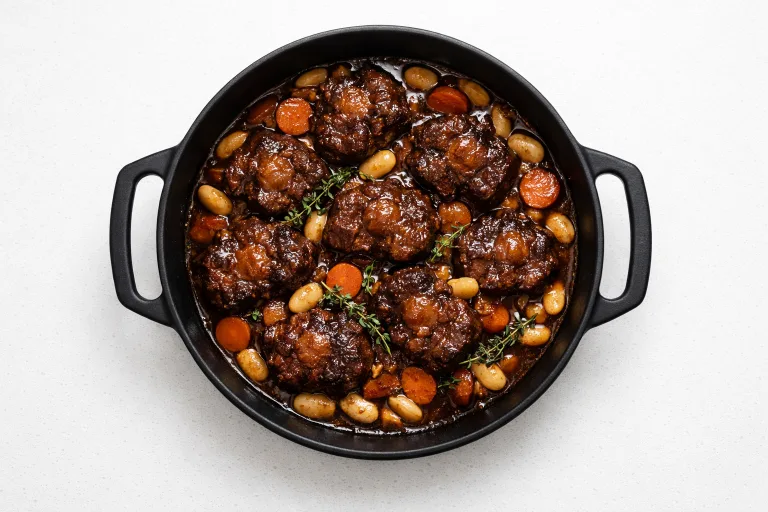
Making pastelles is a communal event. Families gather in the kitchen to prepare dozens or hundreds of the banana-leaf-wrapped parcels. The filling, a seasoned mixture of minced meat, olives, capers, and raisins, is spooned onto cornmeal dough, wrapped, tied, and steamed. The process takes hours and produces enough pastelles to share with neighbors, coworkers, and visitors.
The Christmas table also features baked ham (often glazed with pineapple and cloves), black cake, and ponche de creme, a creamy rum-based drink made with eggs, condensed milk, lime zest, and a dash of Angostura bitters, the aromatic bitters that have been produced in Trinidad since 1830.
Frequently Asked Questions
What is parang?
Parang is a folk music tradition of Spanish origin performed during the Christmas season in Trinidad and Tobago. Groups of musicians (paranderos) travel from house to house singing songs accompanied by cuatro, guitar, and maracas. The season starts as early as October and peaks in December.
What are pastelles?
Pastelles are cornmeal dough parcels stuffed with seasoned meat, olives, capers, and raisins, wrapped in banana leaves and steamed. They are the most important Christmas food in Trinidad and Tobago. Making them is a family event, with batches numbering in the dozens or hundreds.
What is ponche de creme?
Trinidad's version of eggnog, made with eggs, condensed milk, lime zest, Angostura bitters, and rum. It is richer and more strongly spiced than American eggnog. Every Trinidadian household has its own recipe, and it is served at every Christmas gathering.
Traditions & Customs
Parang Music
Parang is a folk music tradition with Spanish roots, performed during the Christmas season. Groups of paranderos go house to house singing in Spanish and English, accompanied by cuatro, guitar, and maracas. Parang season starts as early as October and peaks in December.
Pastelles
Cornmeal dough stuffed with seasoned meat, olives, capers, and raisins, wrapped in banana leaves and steamed. Pastelles are the essential Trinidadian Christmas food, made in large batches by families and shared with neighbors.
Black Cake
Trinidad's version of the Caribbean Christmas cake. Dried fruits soaked in rum, cherry brandy, and wine for months produce a dark, rich cake. Like Jamaica's version, every family has its own closely guarded recipe.
Ponche de Creme
A rich, creamy drink made with eggs, condensed milk, lime zest, Angostura bitters, and rum. It is Trinidad's answer to eggnog and is served at every Christmas gathering.
House-to-House Visits
Trinidadians spend the Christmas season visiting friends and family, moving from house to house. Each home offers food and drinks, and the visiting can continue for days. The tradition reflects the islands' deeply social culture.
Key Dates
Parang Season Begins
Parang groups begin performing and parang competitions are held. The music signals the start of the Christmas season, earlier than in most countries.
Christmas Day
A public holiday. Families gather for a large meal featuring pastelles, ham, black cake, and ponche de creme. House-to-house visiting begins.
Boxing Day
A public holiday. Visiting continues. Beach trips and outdoor gatherings are common.
Christmas Carols
Parang Songs
VariousTraditional parang songs in Spanish and English are the soundtrack of Trinidadian Christmas. Popular parang songs include 'Sereno' and 'Alegria.' National parang competitions are held each December.
Traditional Carols
British-influenced carols are sung in churches across Trinidad, often with calypso rhythmic influences. The blend of European hymns and Caribbean music gives Trinidadian church services a distinctive sound.