

Christmas Main Courses
Roast turkey, glazed ham, beef Wellington, and show-stopping centrepieces for the Christmas table. Every recipe includes timing guides, temperature charts, and carving instructions.
 120 min
Medium
120 min
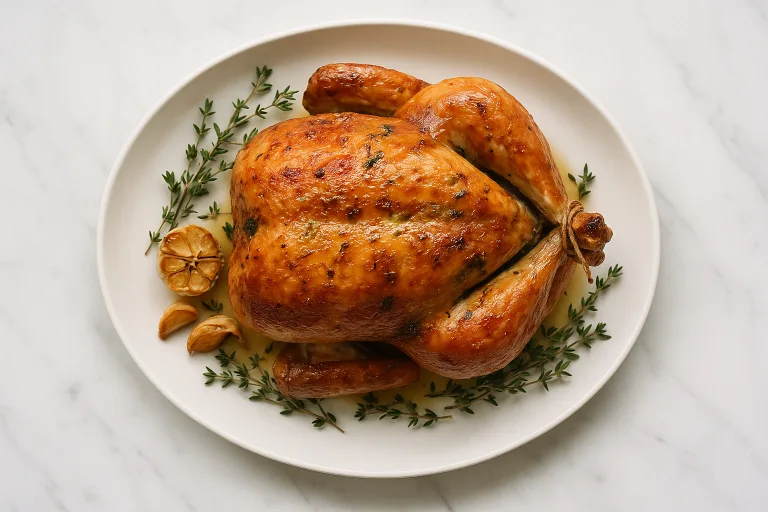
Medium Christmas Roast Chicken with Herb Stuffing
 47 min
Medium
47 min
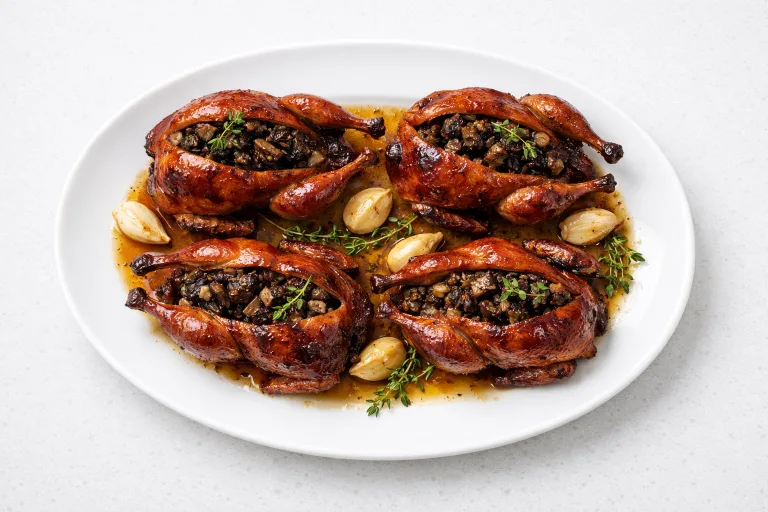
Medium Roast Quail for Christmas with Herb Butter and Wild Mushroom Stuffing
 80 min
Easy
80 min
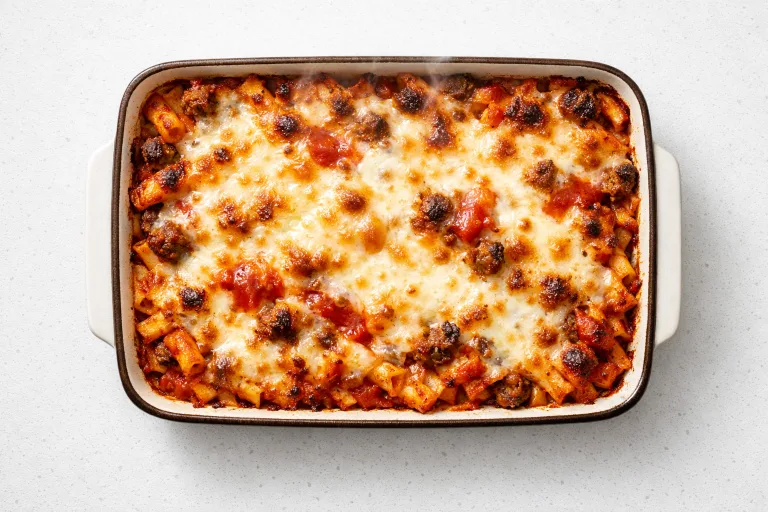
Easy Christmas Baked Ziti
 60 min
Medium
60 min
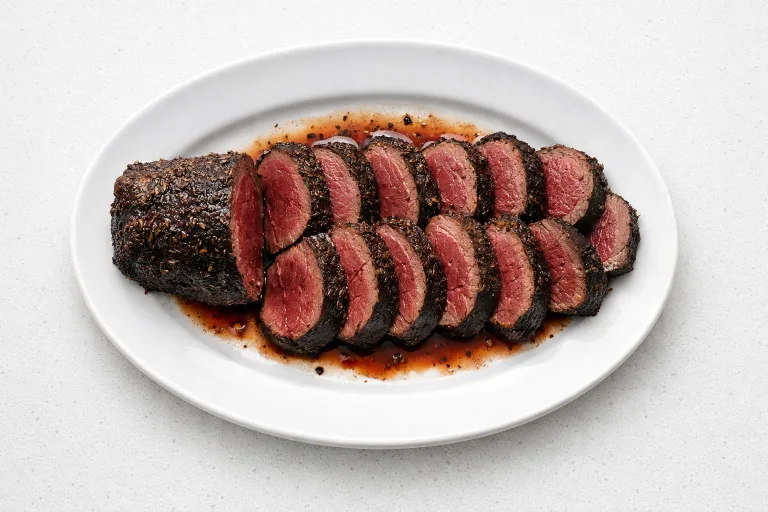
Medium Christmas Venison Roast
 150 min
Medium
150 min
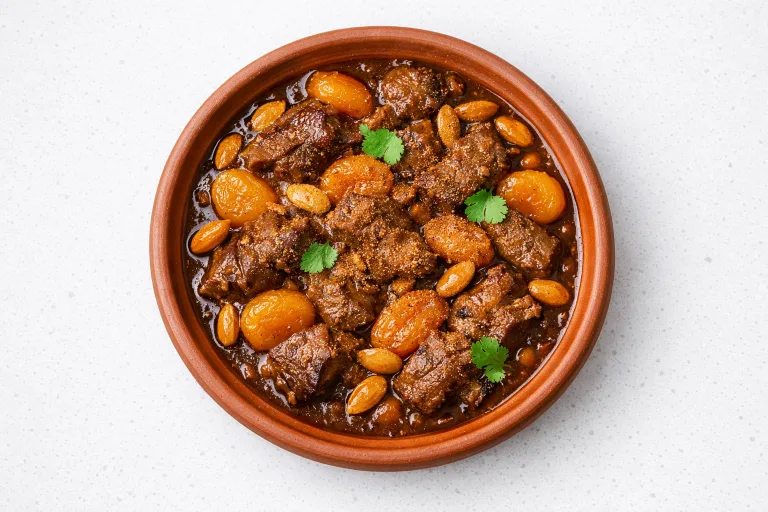
Medium Moroccan Lamb Tagine with Apricots and Almonds
 180 min
Medium
180 min
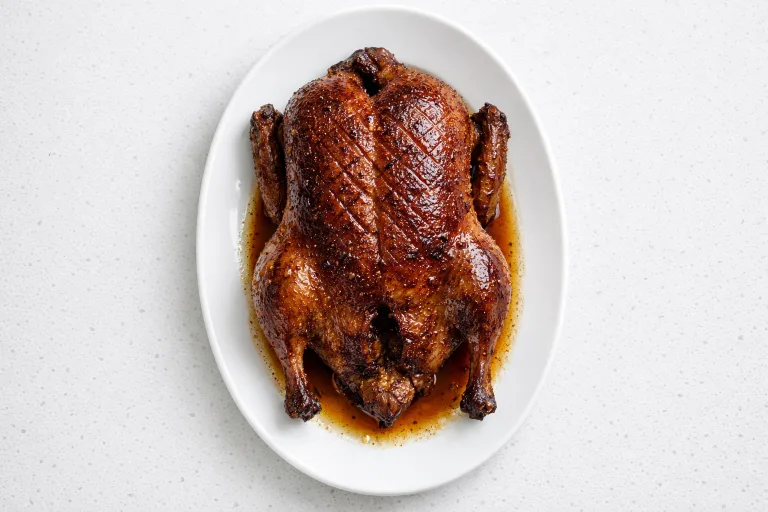
Medium Christmas Roast Duck with Crispy Skin
 210 min
Medium
210 min
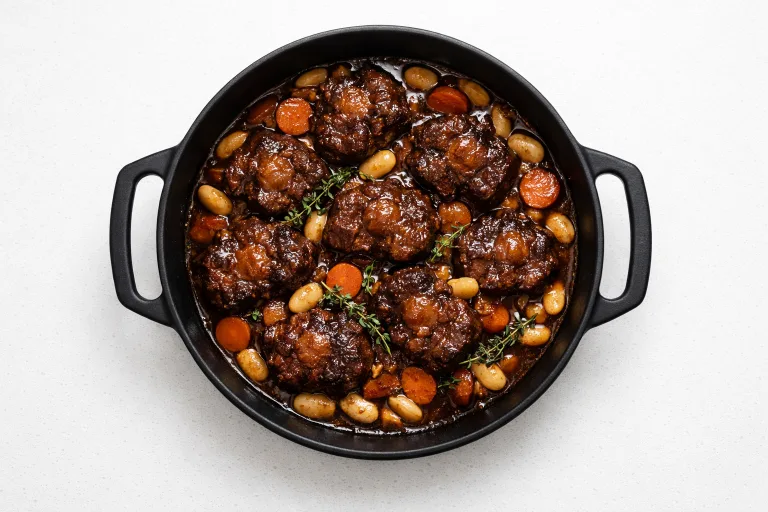
Medium Jamaican Oxtails (Braised Oxtail Stew)
 215 min
Medium
215 min
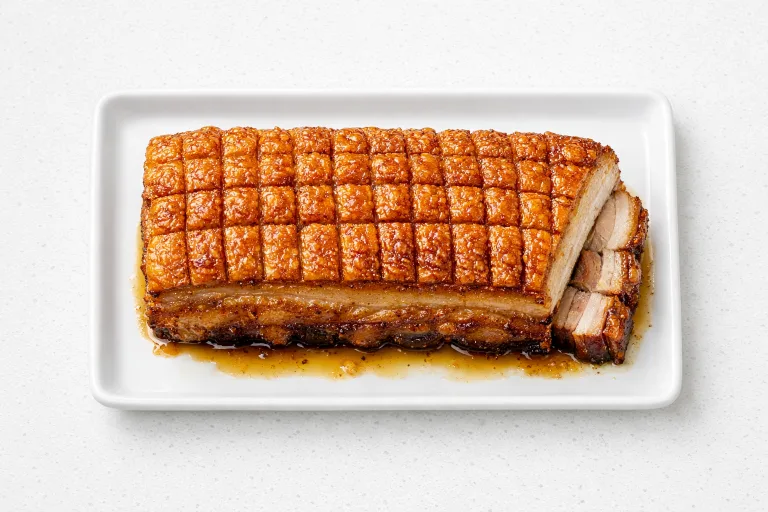
Medium Christmas Pork Belly with Crispy Crackling
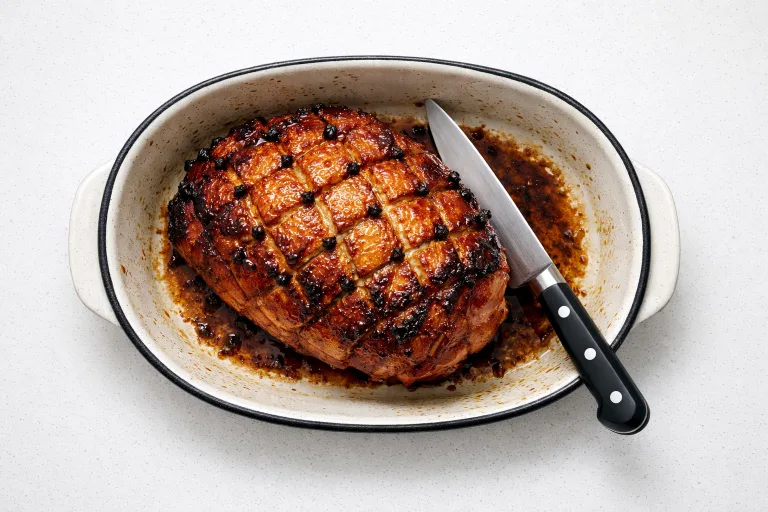 85 min
Easy
85 min
Easy Air Fryer Gammon for Christmas
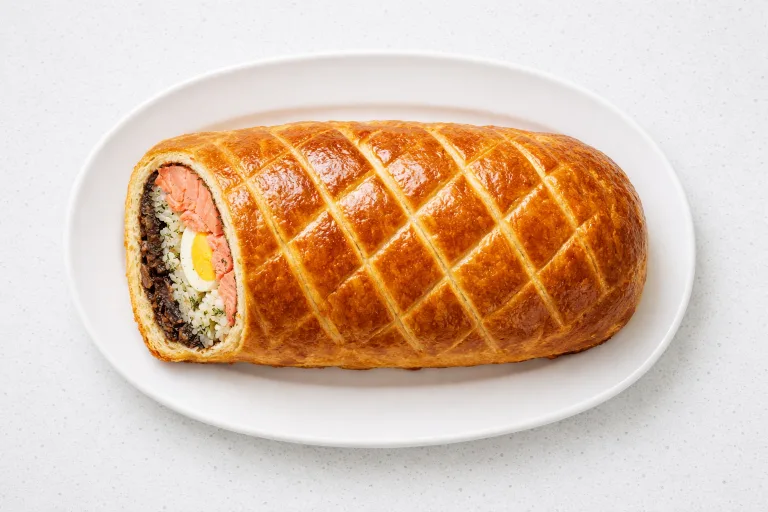 135 min
Hard
135 min
Hard Salmon Coulibiac (Russian Salmon Wellington)
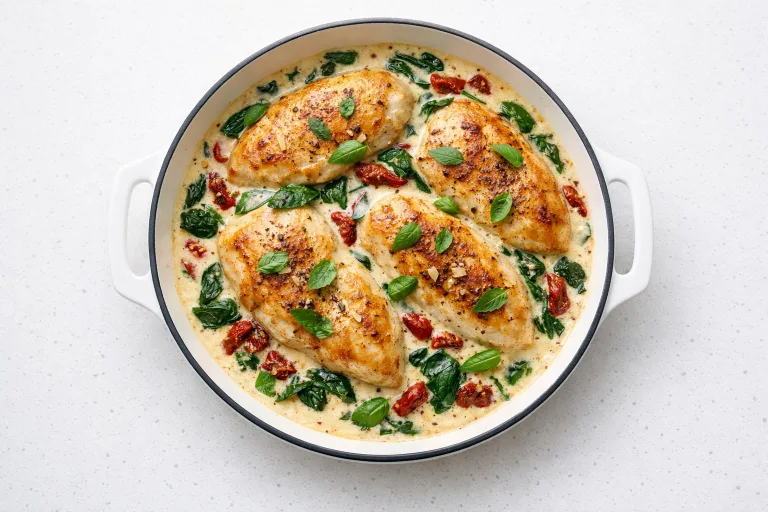 35 min
Easy
35 min
Easy Marry Me Chicken Christmas Recipe
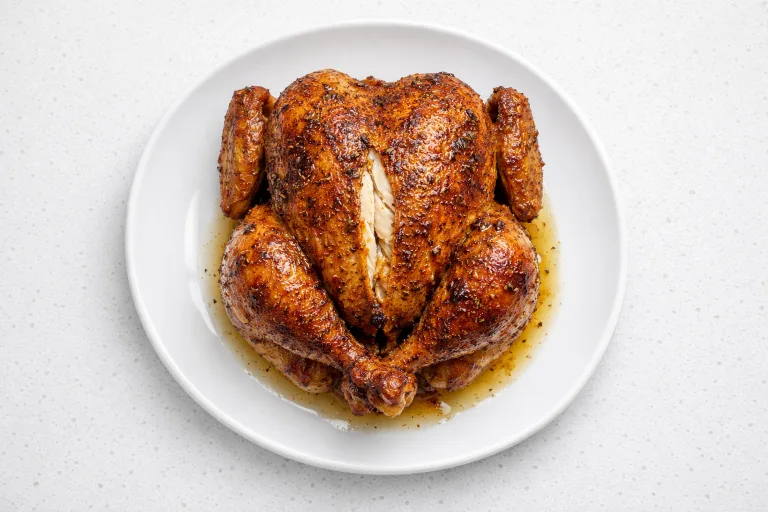 70 min
Easy
70 min
Easy Air Fryer Roast Chicken for Christmas Dinner
 45 min
Easy
45 min
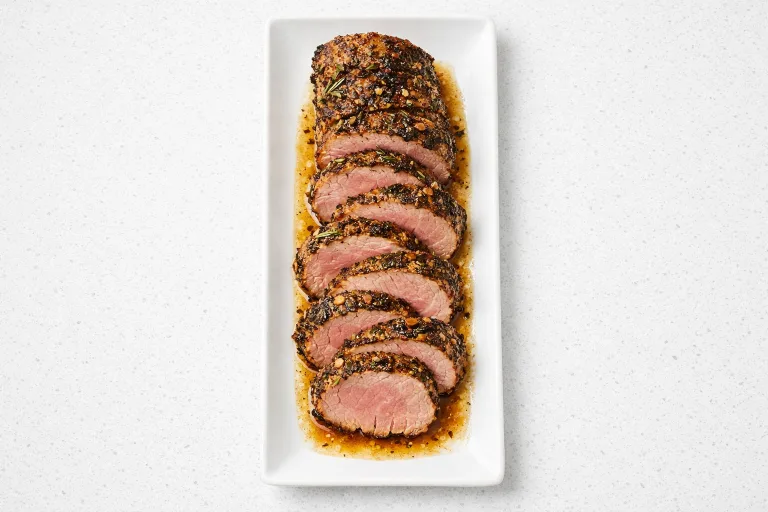
Easy Herb-Crusted Christmas Pork Tenderloin with Garlic and Rosemary
 60 min
Medium
60 min
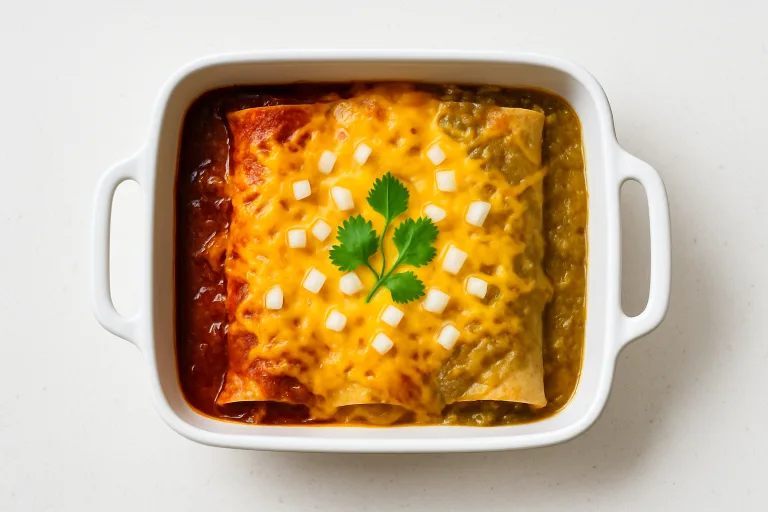
Medium Christmas Enchiladas with Red and Green Chile Sauce
 30 min
Easy
30 min
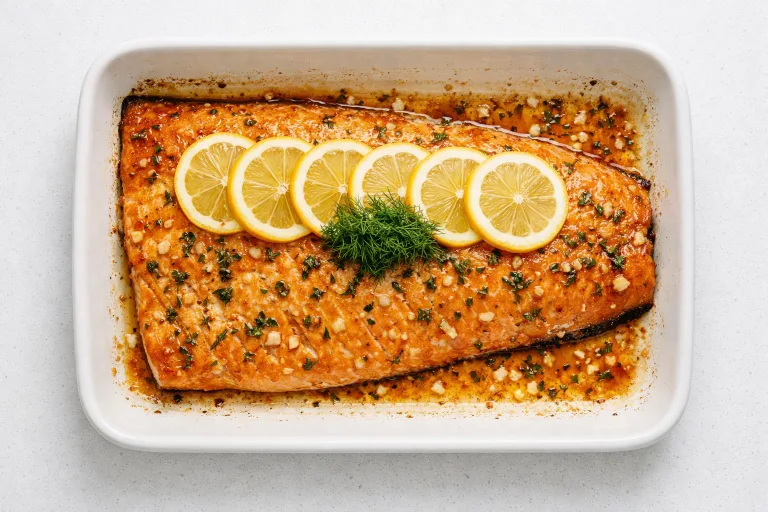
Easy Christmas Baked Salmon with Honey Butter Glaze
 120 min
Medium
120 min
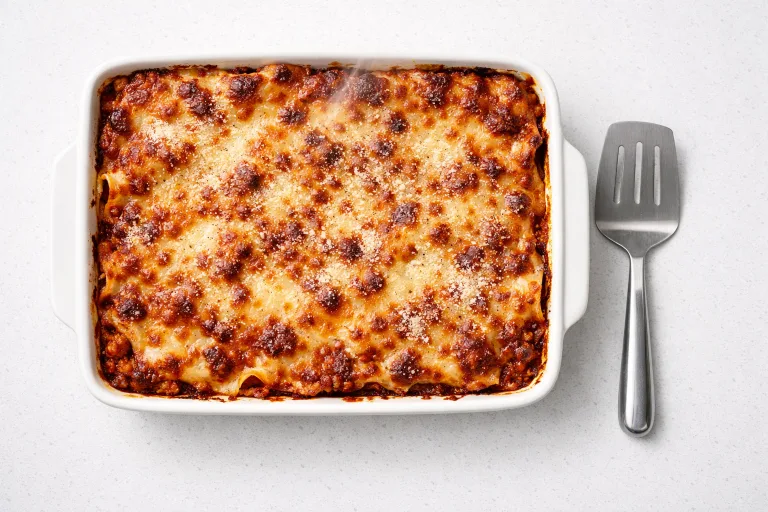
Medium Christmas Lasagna Recipe (Make-Ahead Holiday Comfort)
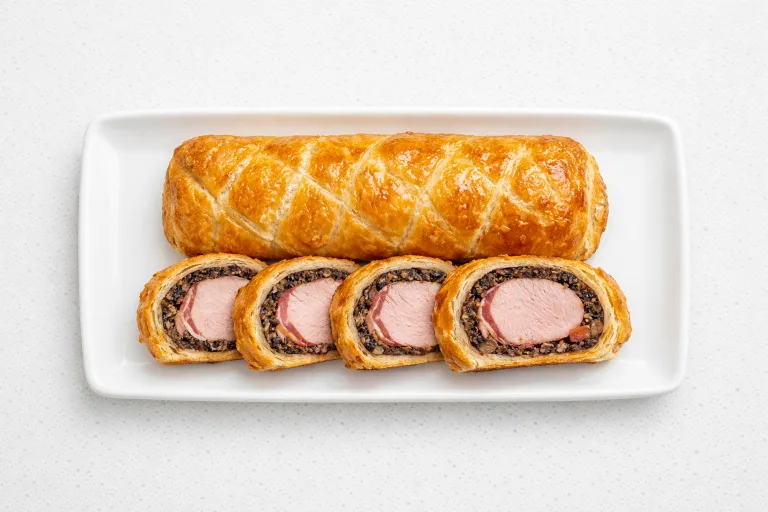 75 min
Medium
75 min
Medium Pork Wellington with Mushroom Duxelles
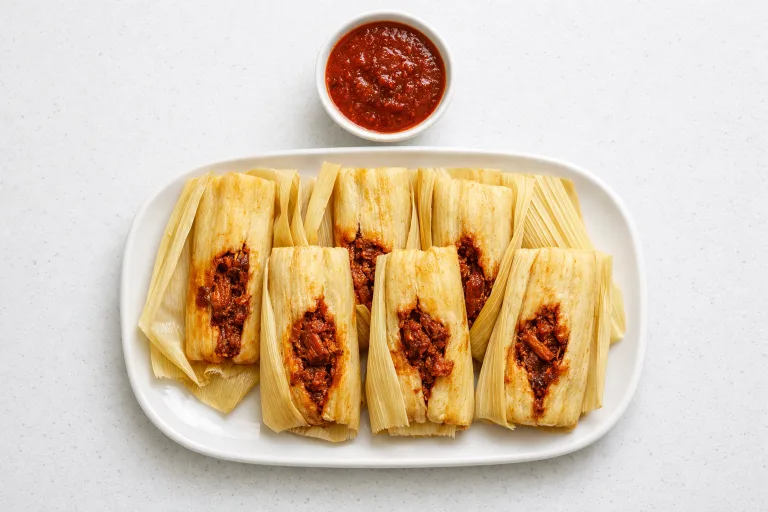 210 min
Hard
210 min
Hard Christmas Tamales with Pork and Red Chile
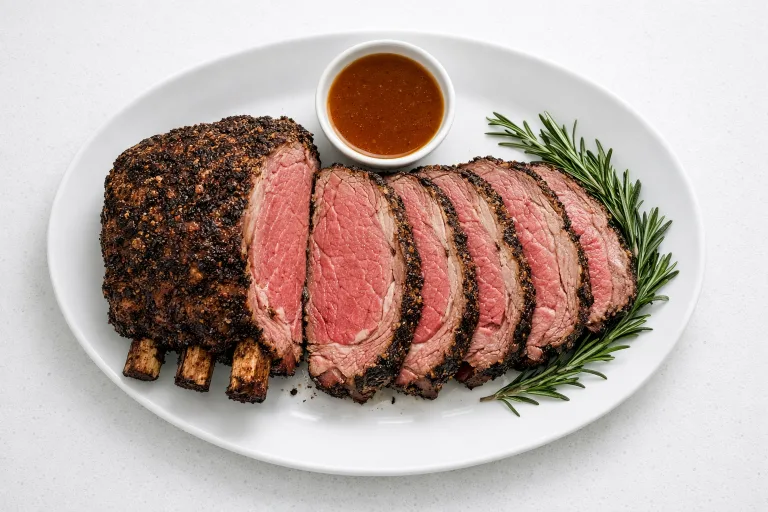 240 min
Medium
240 min
Medium Christmas Prime Rib Roast
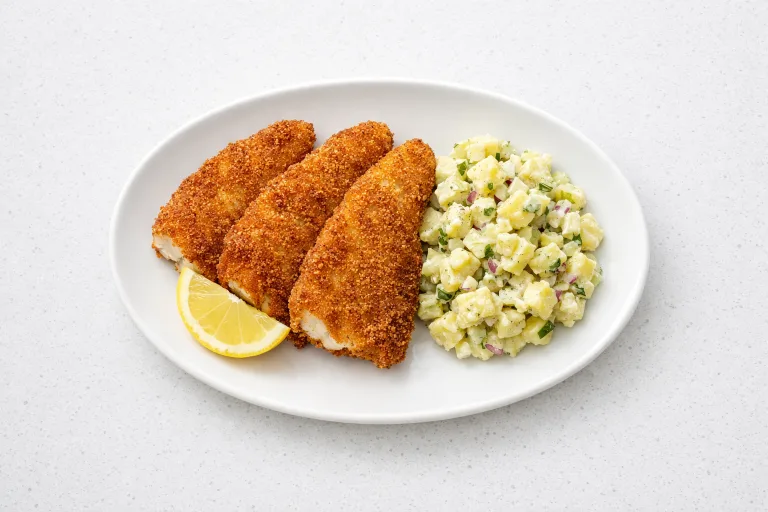 40 min
Medium
40 min
Medium Czech Christmas Carp (Smažený Kapr) — Fried Carp Recipe
 80 min
Medium
80 min
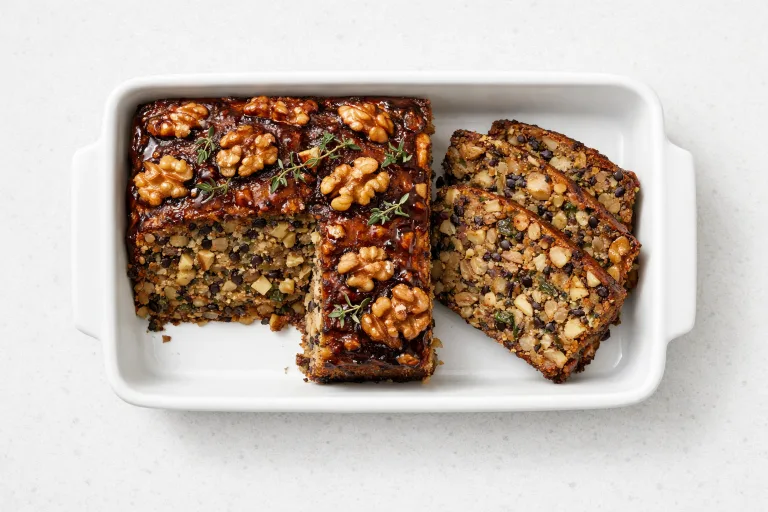
Medium Classic Christmas Nut Roast
 55 min
Medium
55 min
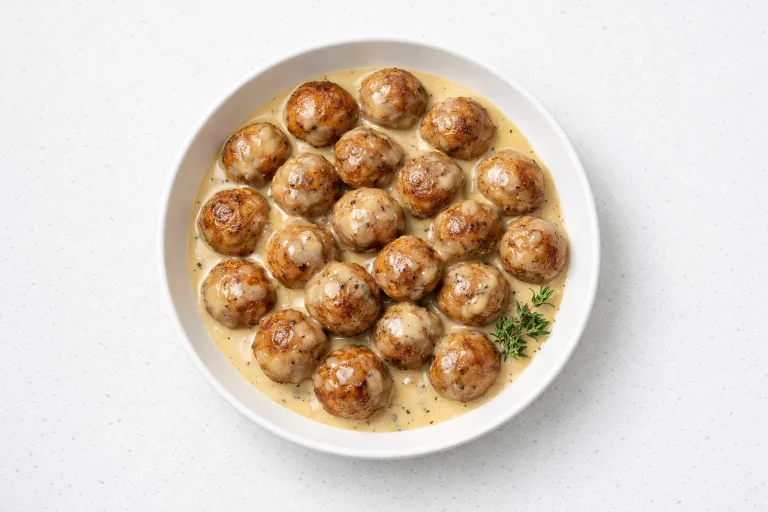
Medium Swedish Christmas Meatballs (Kottbullar) Recipe
 255 min
Hard
255 min
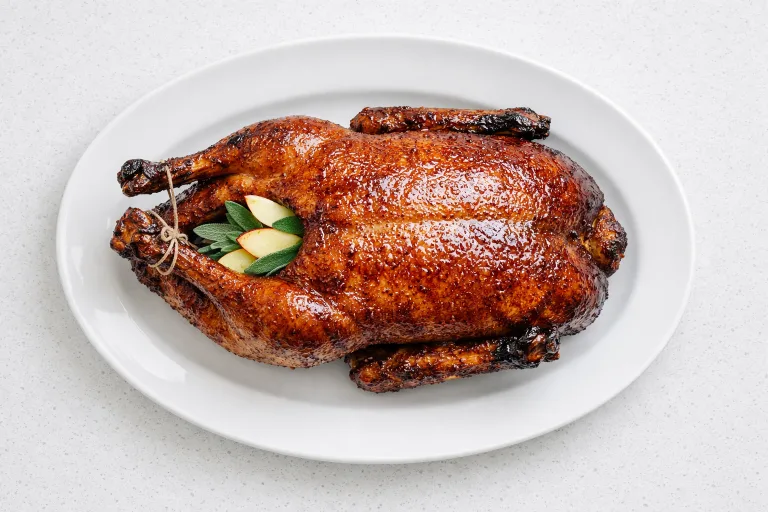
Hard Christmas Roast Goose with Apple and Sage Stuffing
 210 min
Hard
210 min
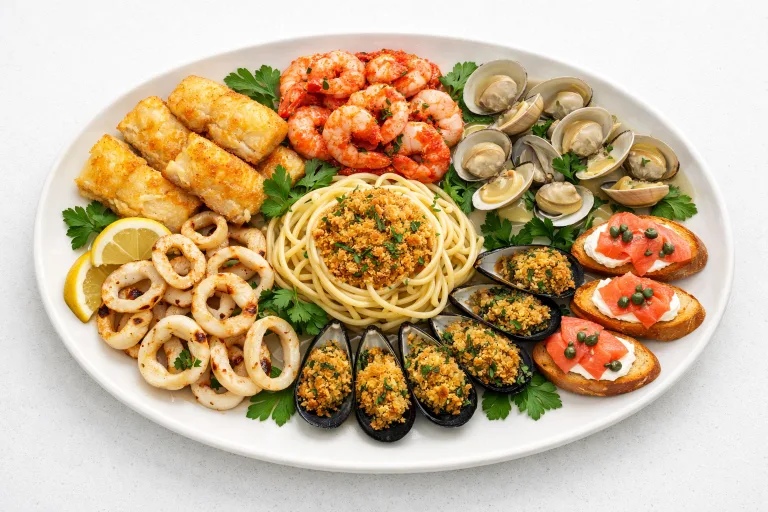
Hard Feast of Seven Fishes: The Complete Italian Christmas Eve Dinner
 90 min
Hard
90 min
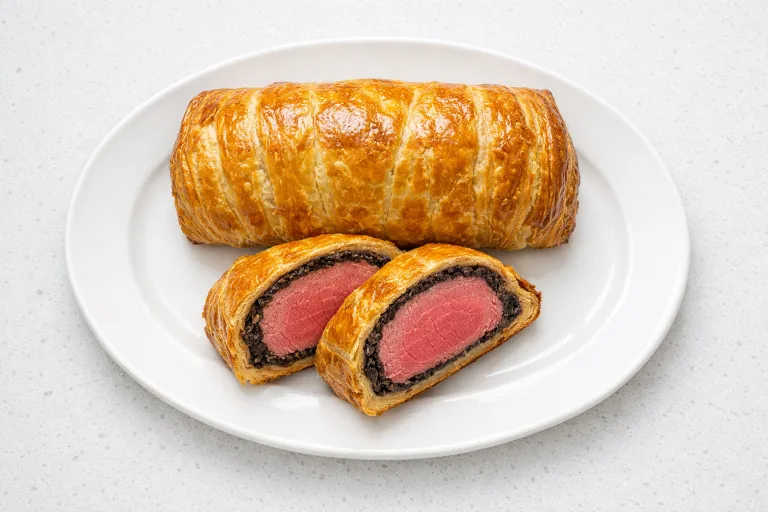
Hard Classic Beef Wellington with Mushroom Duxelles
 235 min
Medium
235 min
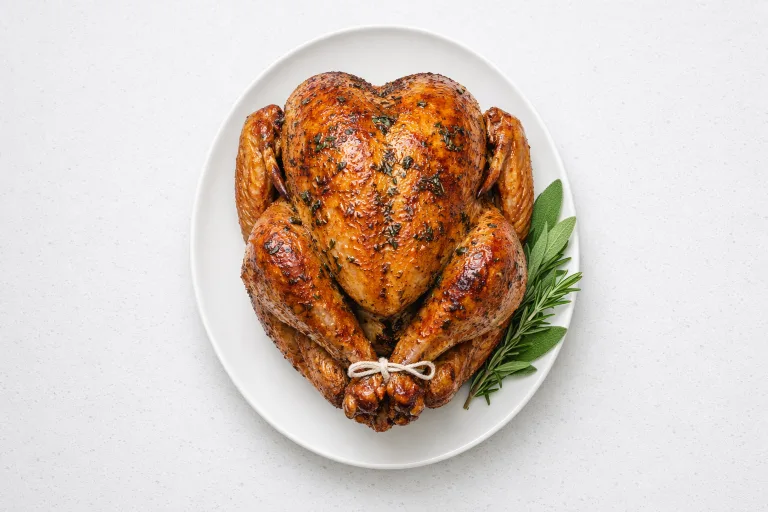
Medium Herb Butter Roast Turkey with Pan Gravy
 200 min
Easy
200 min
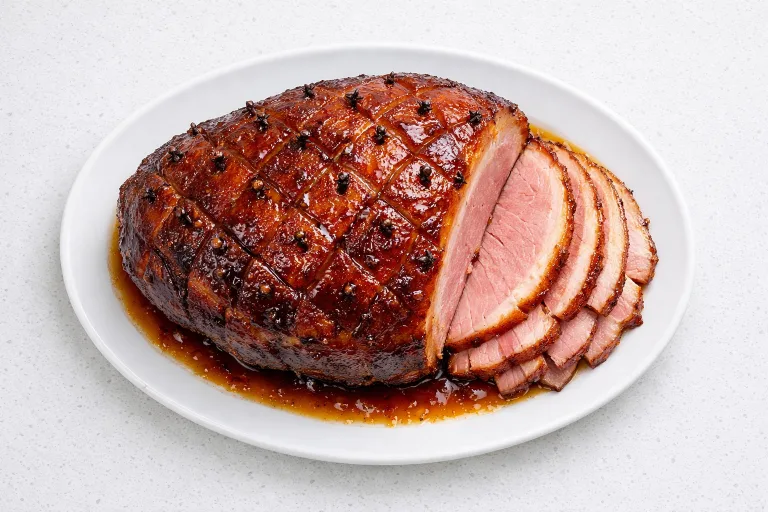
Easy Honey-Glazed Christmas Ham with Brown Sugar and Mustard
 175 min
Medium
175 min
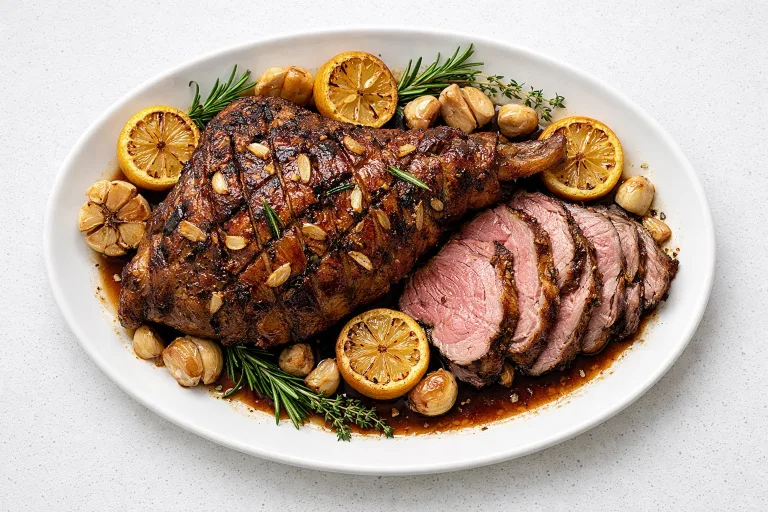
Medium Roast Leg of Lamb with Garlic, Rosemary, and Lemon
The Centrepiece of Christmas Dinner
The main course is the moment the Christmas table falls silent. Whether it is a golden roast turkey emerging from the oven, a glistening honey-glazed ham, or a beef Wellington with its pastry cracking to reveal pink, perfectly cooked beef, the centrepiece sets the tone for the entire meal.
For most families, the choice comes down to tradition: British households favour roast turkey or goose, Americans lean towards turkey or glazed ham, while many European families serve roast pork, duck, or beef. The key to a successful main course is confidence - pick one recipe, learn it well, and let the sides and desserts do the supporting work.
For vegetarian and vegan guests, the main course is where creativity matters most. Mushroom Wellington, nut roast with cranberry glaze, stuffed butternut squash, and cauliflower steaks with romesco all make stunning centrepieces that hold their own alongside the turkey.
Every recipe here includes precise timing guides, resting instructions, and temperature charts so your main course arrives at the table exactly as it should - golden, juicy, and ready for carving.
Christmas Main Courses Tips
Expert advice for perfect results every time.
- 1
Take meat out of the fridge early
Large roasts should sit at room temperature for 1–2 hours before cooking. A cold turkey or ham straight from the fridge will cook unevenly - dry on the outside, raw near the bone.
- 2
Use a meat thermometer
Guessing doneness by time alone is unreliable. Insert a probe thermometer into the thickest part of the meat, away from the bone. Turkey is done at 74°C (165°F), beef at 55°C (130°F) for medium-rare, pork at 63°C (145°F).
- 3
Rest before carving
Resting lets juices redistribute through the meat. A turkey needs 30–45 minutes under foil, a beef roast needs 20–30 minutes. The internal temperature will rise 3–5°C during resting, so pull it slightly early.
- 4
Make gravy from the pan drippings
The best gravy comes from the roasting tin. Deglaze with wine or stock, scraping up all the caramelised bits. Strain, thicken with a flour-butter roux, and season well. It takes 10 minutes and beats any packet gravy.
- 5
Carve against the grain
Slicing perpendicular to the muscle fibres produces tender, easy-to-chew slices. For turkey, remove each breast whole, then slice across. For beef, identify the grain direction and slice against it.
Frequently Asked Questions
Common questions about christmas main courses, answered.
What is the best meat for Christmas dinner?
Roast turkey is the most popular Christmas main course in the UK and US. Glazed ham is a close second, especially in the American South and Australia. Beef Wellington, roast goose, and crown roast of lamb are premium alternatives. Roast pork with crackling is traditional in Scandinavia and parts of Central Europe. The best choice depends on your family's tradition and the number of guests.
How long does it take to cook a Christmas turkey?
For a stuffed turkey at 180°C (350°F): 3–3.5 hours for a 4–5kg bird, 3.5–4 hours for 5–6kg, and 4–4.5 hours for 6–7kg. Unstuffed turkeys cook about 30 minutes faster. Always use a meat thermometer - the thigh should reach 74°C (165°F). Let the turkey rest for 30–45 minutes under foil before carving.
What are good alternatives to turkey for Christmas?
Popular alternatives include glazed ham (feeds a crowd and can be prepped ahead), beef Wellington (impressive but manageable), roast beef rib (simple and classic), crown roast of lamb (elegant for smaller groups), and roast duck or goose (rich and festive). For vegetarian options, try mushroom Wellington, nut roast, or stuffed squash.
Can I prepare the main course ahead of time?
Partially, yes. Beef Wellington can be assembled the night before and refrigerated. Glazed ham can be cooked 2 days ahead and reheated. Turkey is best cooked on the day but can be dry-brined 1–3 days before. Stuffing, rubs, and marinades can all be prepared ahead. Nut roasts and veggie Wellingtons freeze well unbaked for up to a month.
How do I keep turkey moist?
Dry-brine the turkey 1–3 days before cooking by rubbing salt under the skin and refrigerating uncovered. This draws moisture out initially, then it reabsorbs, seasoning the meat deeply. Butter under the skin adds richness. Baste every 45 minutes. Don't overcook - pull it at 72°C and let carryover heat finish the job. Tent with foil if the skin is browning too fast.