Christmas 2026
171 Recipes 493 Movies 36 Carols 60+ Countries

Your Ultimate Guide
to Christmas 2026

Recipes, movies, traditions, games, and festive inspiration from every corner of the world. Everything you need for the perfect holiday season.

Editor's Picks

Featured Stories

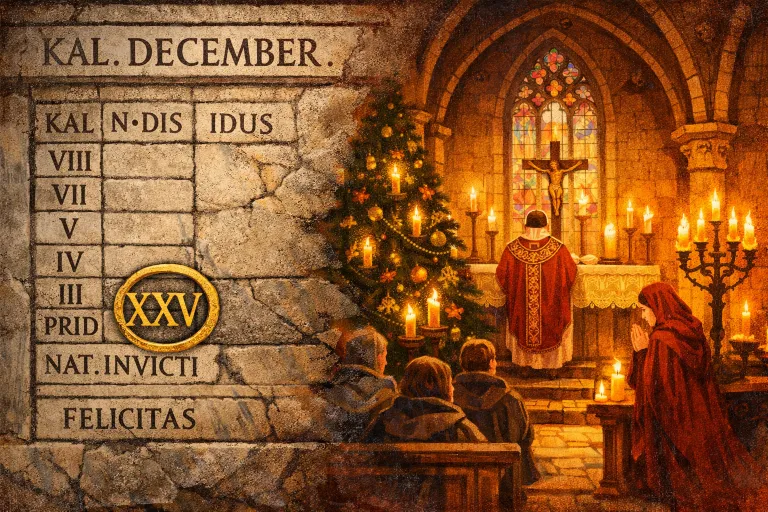
History of Christmas: How the Holiday Began

History of Christmas: How the Holiday Began

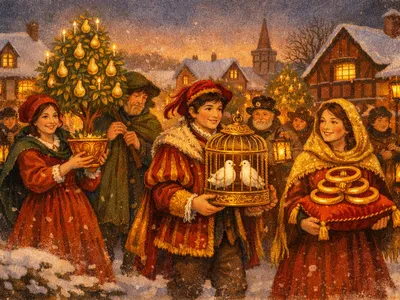
Christmas didn't arrive fully formed with a tree, a turkey, and a man in a red suit. It was assembled over centuries from Roman festivals, medieval church politics, Victorian nostalgia, and American commercialism. Here's how it actually happened.

9 min read
Santa Claus: The True Origin of Christmas Biggest Icon
Traditions & Customs

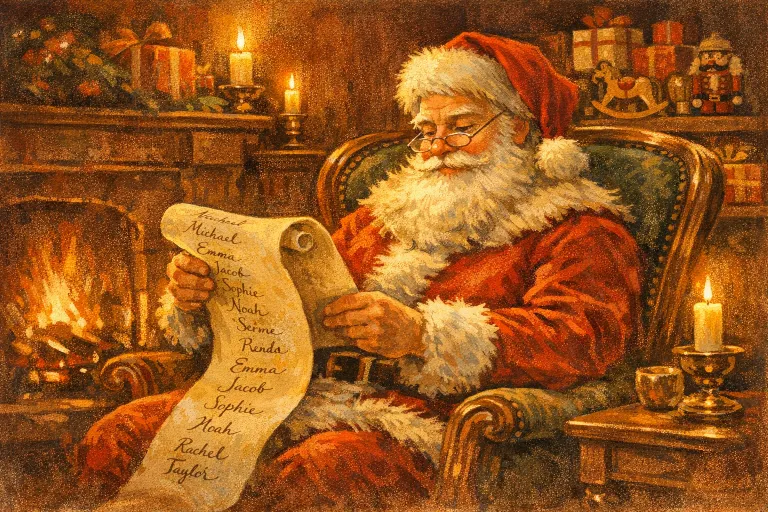
Santa Claus: The True Origin of Christmas Biggest Icon

A fourth-century bishop, a New York cartoonist, and a soft drink company walk into history. Here's how Santa Claus actually became the most recognized Christmas figure on Earth.

7 min read
Advent: Meaning, Calendars, Candles and Traditions

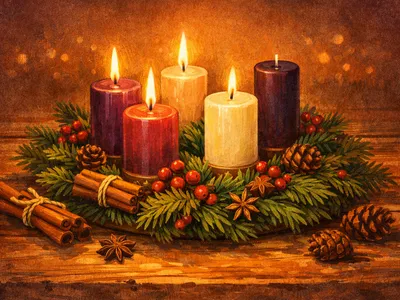
Advent: Meaning, Calendars, Candles and Traditions

The four weeks before Christmas carry more history than most people realize. Advent shaped how the Western world counts down to December 25, and its symbols still define the season.

7 min read
Christmas Eve: Traditions, Dinner and History

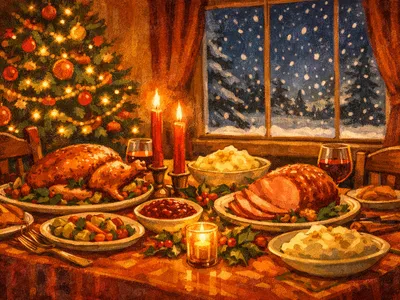
Christmas Eve: Traditions, Dinner and History

For half the world, December 25 is an afterthought. The real Christmas happens the night before, with rituals that have shaped how families celebrate for centuries.

8 min read
Twelve Days of Christmas Meaning, Song and History

Twelve Days of Christmas Meaning, Song and History

The real Christmas season starts on December 25 and runs for twelve more days of feasting, singing, and gift-giving. Here's what the liturgical period actually means, where the famous song came from, and why the gifts would cost you over $200,000.

8 min read
About the Holiday

What is Christmas?

Christmas is the annual celebration of the birth of Jesus Christ, observed on December 25 by billions of people around the world. It is both a sacred religious holiday and a global cultural phenomenon. For Christians, it marks the incarnation of God as man in the person of Jesus, an event that shaped the course of Western civilization. For many others, Christmas has become a secular celebration of family, generosity, and community.

Why Do We Celebrate Christmas on December 25?

The Bible does not specify the date of Jesus' birth. The choice of December 25 likely stems from the early Church's desire to Christianize existing winter solstice festivals. The Roman feast of Sol Invictus (the "Unconquered Sun") fell on this date, as did aspects of Saturnalia, a week-long Roman celebration of feasting and gift-giving. By the 4th century, December 25 was widely accepted as the date of Christmas across the Western Church.

The Origins of Christmas Traditions

Many of the customs we now consider essential to Christmas have surprisingly diverse origins. The Christmas tree tradition comes from 16th-century Germany. Carol singing dates back to medieval Europe, when wandering musicians performed songs during the Advent season. The practice of exchanging gifts echoes the Biblical story of the Magi bringing presents to the newborn Jesus, but also draws from Roman Saturnalia customs.

Santa Claus evolved from Saint Nicholas, a 4th-century bishop from Myra (in modern Turkey) famous for his secret gift-giving. Dutch settlers brought the tradition of Sinterklaas to America, where it gradually merged with other European folklore to create the red-suited, reindeer-riding figure we know today.

Christmas Around the World

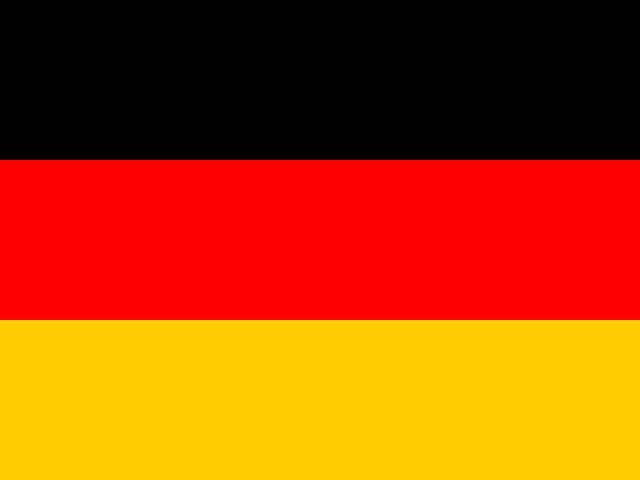
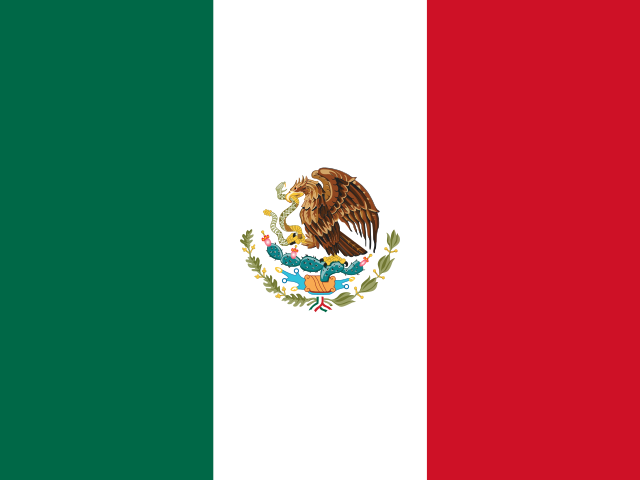
Christmas looks radically different depending on where you are. In Germany, Christmas markets fill town squares with the scent of mulled wine and roasted almonds. In Mexico, families celebrate with Las Posadas, a nine-day procession reenacting Mary and Joseph's search for shelter. Japanese families eat KFC on Christmas Eve, a tradition born from a wildly successful 1974 marketing campaign. In Australia, December 25 falls in midsummer, so Christmas dinner often means a barbecue on the beach.

Explore how 60+ countries celebrate Christmas with their own unique traditions, foods, and customs.

Christmas Today

Modern Christmas is many things at once: a religious observance, a commercial event, a season of charity, and a time for family traditions both old and new. Americans alone spend over $900 billion on holiday shopping each year. Yet surveys consistently show that what people value most about the season has nothing to do with money: time with family, holiday meals, decorating the tree, watching Christmas movies, and the simple pleasure of giving something thoughtful to someone you love.

Learn

Frequently Asked Questions

When is Christmas?

Christmas Day falls on December 25 every year. Most Western Christian traditions celebrate on this date, while some Eastern Orthodox churches observe Christmas on January 7 due to the difference between the Gregorian and Julian calendars. The Christmas season typically spans from Advent (four Sundays before December 25) through Epiphany on January 6, a period known as the Twelve Days of Christmas.

Why do we celebrate Christmas?

Christmas celebrates the birth of Jesus Christ, an event central to Christian faith. Over the centuries the holiday absorbed customs from older winter festivals, including the Roman Saturnalia and Germanic Yule. Today Christmas is observed by billions of people worldwide, both religious and secular, as a time for family, giving, and reflection. Many of the traditions we associate with it, such as gift-giving, decorated trees, and festive meals, have roots stretching back hundreds of years across many cultures.

Where did the Christmas tree tradition come from?

The modern Christmas tree tradition traces back to 16th-century Germany, where devout Christians brought decorated trees into their homes. Some credit Martin Luther with adding lit candles to a tree after being inspired by stars twinkling through evergreens. The custom spread across Europe in the 18th and 19th centuries, gaining widespread popularity in England after Queen Victoria and Prince Albert were pictured with a decorated tree in 1848. German immigrants brought the tradition to America, where it became a national custom by the early 1900s. Learn more on our Christmas tree page.

Who is Santa Claus?

Santa Claus is based on Saint Nicholas, a 4th-century Christian bishop from Myra (modern-day Turkey) known for his generosity. The Dutch brought the tradition of Sinterklaas to America, where it evolved into Santa Claus. The modern image of a jolly, red-suited figure was shaped by 19th-century illustrations, Coca-Cola advertising in the 1930s, and Clement Clarke Moore's 1823 poem "A Visit from St. Nicholas." Different cultures have their own gift-bringing figures: Father Christmas in England, Pere Noel in France, Ded Moroz in Russia, and the Christkind in parts of Germany and Austria.

What are the most popular Christmas traditions?

The most widely observed Christmas traditions include decorating a Christmas tree, exchanging gifts, singing carols, hanging stockings, sending Christmas cards, attending church services, and sharing a festive meal. Many families have their own rituals: watching specific Christmas movies, baking cookies, or driving around to see light displays. Traditions vary dramatically by country and region. Explore how different cultures celebrate on our Christmas Around the World page.