
Christmas Fasting Traditions Explained
Long before the feast, there was the fast. From Catholic Christmas Eve abstinence to the 40-day Orthodox Nativity Fast, hunger has always been the prologue to celebration.
Christmas is the most food-obsessed holiday on the calendar. Roast goose, glazed ham, stollen, panettone, mince pies, twelve kinds of Christmas cookies. But for most of Christianity's history, the weeks leading up to December 25 looked nothing like a feast. They looked like its opposite. Fasting before Christmas is one of the oldest Christian practices, and in many traditions it remains very much alive.
Contents
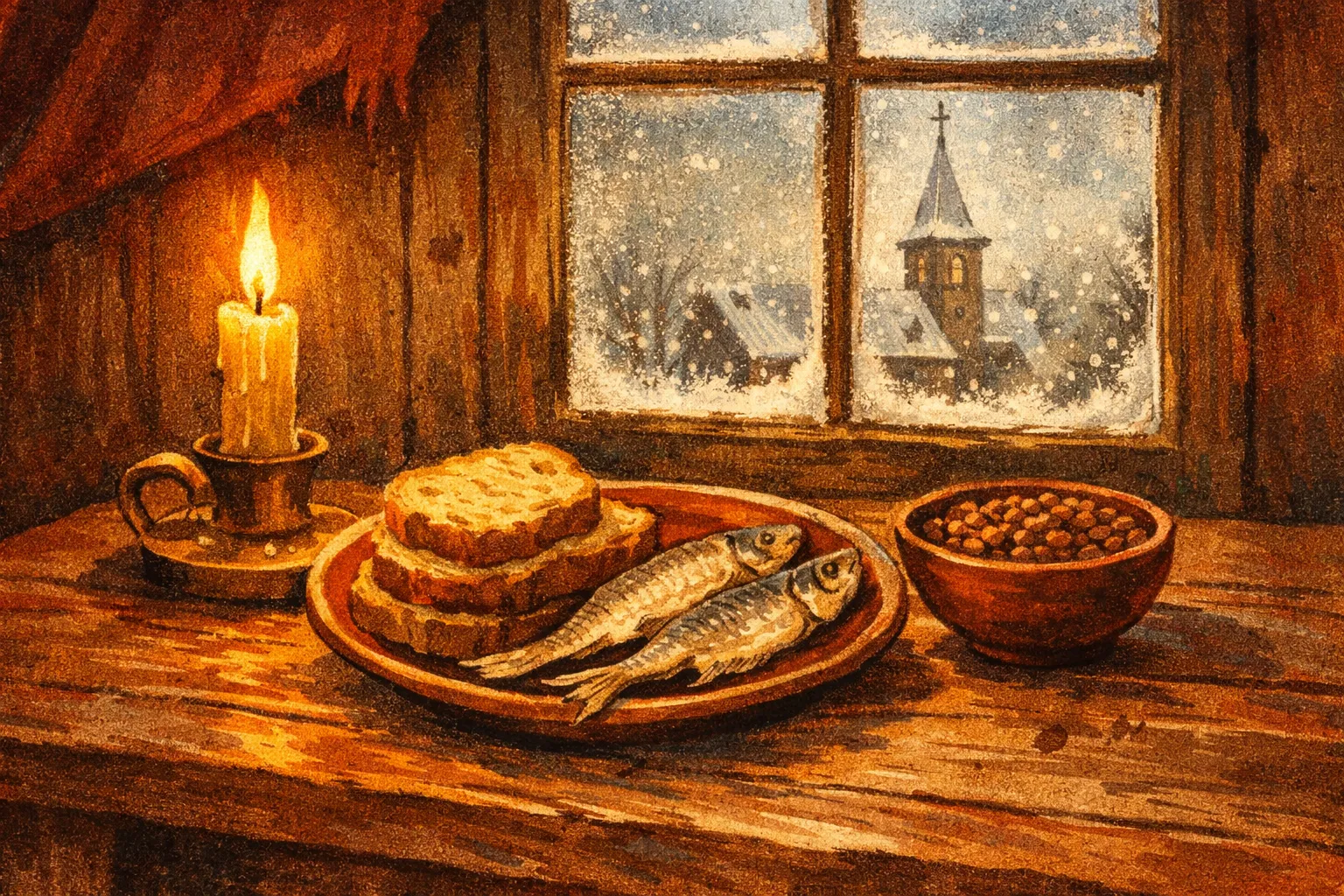
The logic is simple and ancient: you don't appreciate the banquet unless you've been hungry first. Catholic Christmas Eve abstinence, the 40-day Orthodox Nativity Fast, and various Advent fasting customs all share the same core idea. Deprivation makes the celebration mean something. The empty stomach makes the full table sacred.
Today, most Western Christians have forgotten or abandoned pre-Christmas fasting. But millions of Orthodox Christians, traditional Catholics, and Eastern Rite believers still observe it. And the tradition's roots go deeper than most people realize.
Why Do Some People Fast Before Christmas?
The theological reasoning is straightforward. Christmas celebrates the Incarnation, God entering the physical world. Fasting is a way of preparing the body and spirit for that event. The early Church treated major feasts the way athletes treat competitions: you don't show up without preparation.
The fourth-century Church Father St. John Chrysostom spelled it out plainly. Fasting clears the mind for prayer, creates solidarity with the poor, and transforms a feast day from mere indulgence into genuine celebration. The contrast matters. A person who has eaten three square meals a day for all of Advent doesn't experience Christmas dinner the same way as someone who has been eating lentils and bread for weeks.
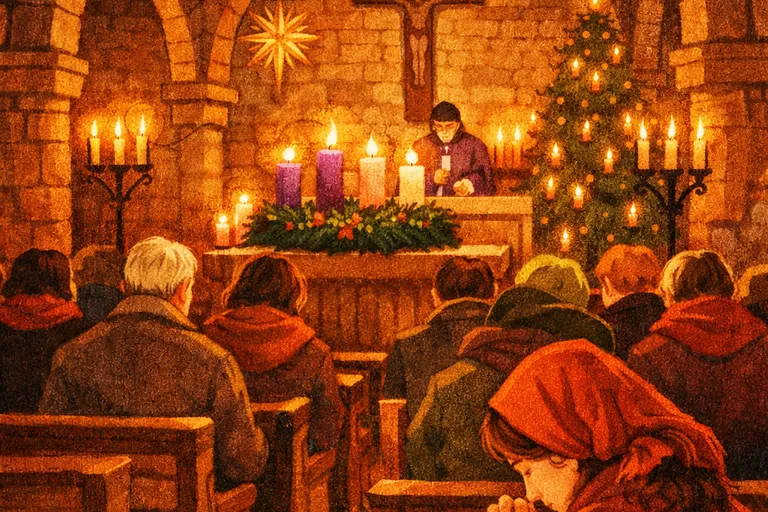
There's also a practical dimension that gets overlooked. In agrarian societies, late November through late December was already a lean season. The harvest was stored, fresh food was scarce, and livestock slaughter was calculated carefully. The Church's fasting rules formalized what poverty already dictated. It gave spiritual meaning to material scarcity.
Christmas Eve Fasting in the Catholic Tradition
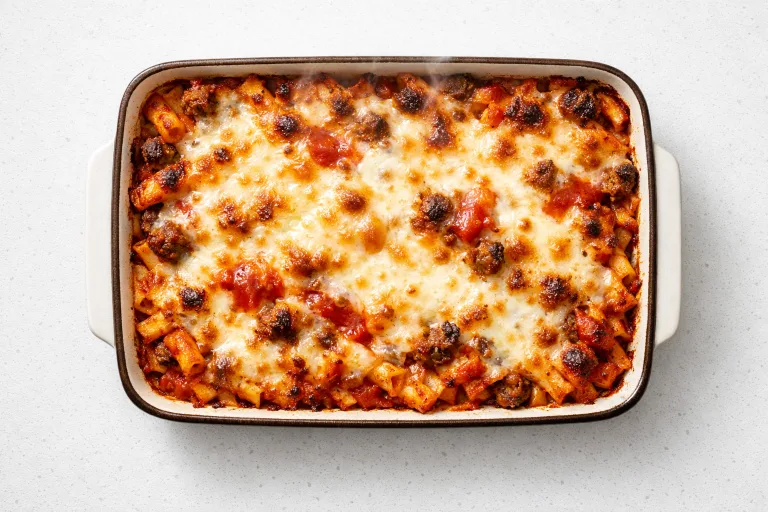
For centuries, the Roman Catholic Church required a strict fast on December 24. The Christmas Vigil Fast meant no meat, and for much of the day, no food at all. Catholics were expected to eat only one full meal after sunset, typically after attending Midnight Mass. The 1917 Code of Canon Law still classified Christmas Eve as a day of both fast and abstinence.
That changed in 1966 when Pope Paul VI issued Paenitemini, which overhauled the Church's penitential disciplines. The document reduced obligatory fasting days to just two: Ash Wednesday and Good Friday. Christmas Eve lost its mandatory fast. Abstinence from meat on all Fridays of the year was also relaxed, replaced by a requirement to perform some form of penance.
The result was predictable. Within a generation, most Catholics in Western countries stopped fasting on Christmas Eve entirely. But the custom persists in parts of Central and Eastern Europe where Catholic identity runs deeper than canon law updates.
The Wigilia and Christmas Eve Meatless Traditions
In Poland, the Christmas Eve supper called Wigilia is the most important meal of the year, and it is entirely meatless. Twelve dishes represent the twelve apostles. Carp is the centerpiece, alongside beet soup, dumplings filled with sauerkraut and mushrooms, and poppy seed cake. The meatless rule isn't a sacrifice here; it's a point of national pride. Try suggesting a steak at a Polish Wigilia table and see how fast you're shown the door.
The Czech Republic and Slovakia follow similar patterns. Carp and potato salad dominate the Christmas Eve table, and many families still observe the old custom of not eating until the first star appears in the evening sky. In Italy, the Feast of the Seven Fishes on Christmas Eve grew directly from the abstinence tradition. What began as a restriction became a culinary event.
This is the pattern with Christmas fasting across cultures. Rules imposed as deprivation get transformed into beloved food traditions. The fast doesn't disappear. It becomes the feast.
The Orthodox Christmas Fast: 40 Days of Discipline
If Catholic Christmas Eve abstinence sounds manageable, the Orthodox Nativity Fast operates on a different scale entirely. It runs for 40 days, from November 15 to December 24 (or November 28 to January 6 for churches following the Julian calendar). That's longer than Lent in the Western tradition.
The rules are specific. On most days, Orthodox Christians abstain from meat, dairy, eggs, and often fish. Wine and oil are permitted only on weekends and certain feast days. Fish is allowed on Tuesdays and Thursdays in some traditions, and always on major feast days that fall during the fast, like the Feast of the Entry of the Theotokos (November 21) and St. Nicholas Day (December 6).
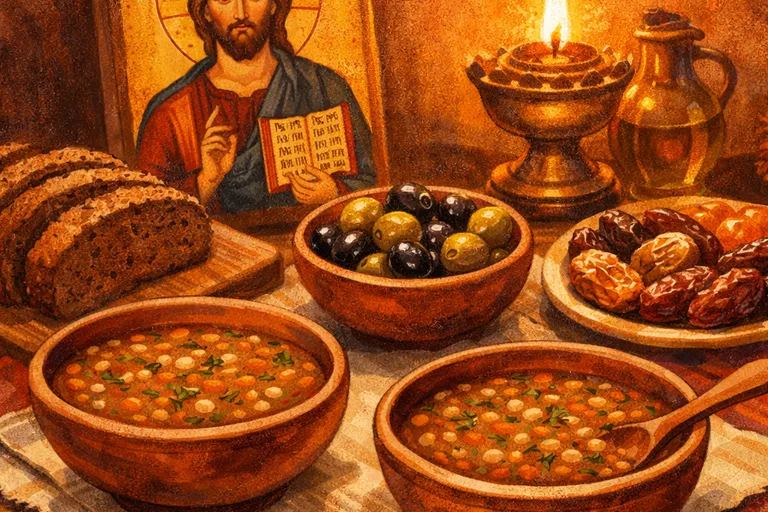
The fast intensifies as Christmas approaches. The final days before the Nativity are the strictest. In Greek and Russian Orthodox practice, December 24 is a day of complete fasting until the evening star appears, echoing the Central European Catholic custom. Only then does the family sit down to the Christmas Eve meal.
Why 40 Days?
The number 40 carries heavy biblical weight. Moses fasted 40 days on Sinai. Jesus fasted 40 days in the desert. The Israelites wandered 40 years in the wilderness. For the Orthodox Church, 40 days of preparation before the Nativity mirrors the 40 days of Great Lent before Pascha (Easter). The Nativity Fast is sometimes called "Winter Lent" or "Philip's Fast," because it begins the day after the feast of St. Philip the Apostle on November 14.
The earliest references to a pre-Christmas fast appear in the fourth and fifth centuries. The Council of Saragossa in 380 mentions a three-week period of daily church attendance before Epiphany. By the sixth century, the fast had expanded to 40 days in many Eastern churches. The Western Church had its own version, a pre-Christmas fast sometimes called "St. Martin's Lent" because it began on November 11, the feast of St. Martin of Tours. This practice faded in the West but survived in the East.
Advent Fasting Traditions in Western Christianity
Before the 1966 reforms, Advent in the Roman Catholic tradition was a genuinely penitential season. Not as strict as Lent, but serious. Weddings were discouraged. The liturgical color was purple, signifying penance. Fasting and abstinence were common, especially on the Ember Days, four groups of three days set aside each season for fasting, prayer, and almsgiving.
The Advent Ember Days fell in the third week of Advent. Wednesday, Friday, and Saturday of that week were days of fasting and partial abstinence. This practice goes back to at least the fifth century and was observed throughout the medieval period.
Anglican and Lutheran traditions also maintained Advent as a penitential season, though with less emphasis on food restrictions. The Book of Common Prayer lists vigils and ember days as occasions for fasting. Some Anglo-Catholic parishes still observe Advent fasting voluntarily.
In recent decades, Advent has been reframed almost entirely as a season of joyful anticipation. Advent calendars, Christmas markets, and holiday parties have replaced the older penitential character. The irony is hard to miss: a season that once prepared people for celebration through restraint now drowns in premature celebration itself.
What Happens on the Body's Side
Strip away the theology, and fasting before a major feast makes remarkable physiological sense. Research published in the New England Journal of Medicine in 2019 found that intermittent fasting improves insulin sensitivity, reduces inflammation, and can sharpen mental clarity. A person who has been eating lightly for days or weeks will taste their Christmas dinner more intensely. The palate literally resets.
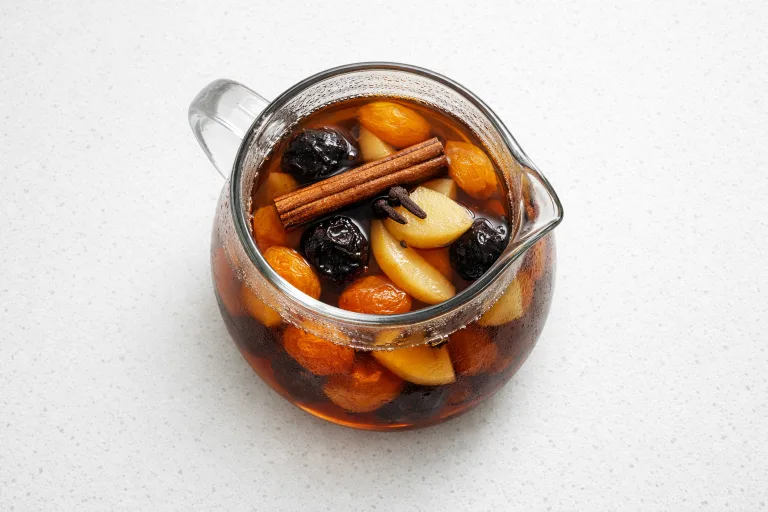
Traditional fasting foods also tend to be nutritionally dense. The Orthodox fast, which emphasizes legumes, grains, vegetables, nuts, and dried fruits, reads like a modern plant-based diet plan. Lentil soups, bean stews, mushroom dishes, and whole-grain breads provide more than adequate nutrition while avoiding the heaviness of meat and dairy.
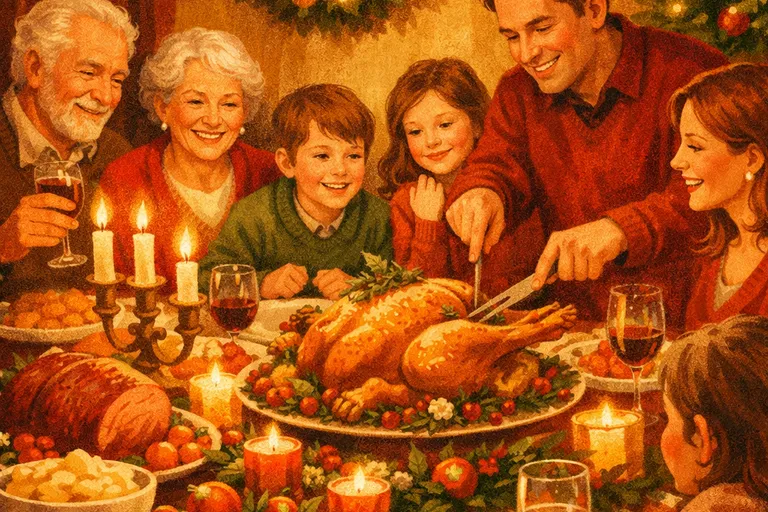
There's something the modern wellness industry keeps rediscovering that traditional religious practice figured out centuries ago. Periodic restriction followed by celebration isn't just spiritually meaningful. It's how human bodies are designed to eat.
The Fast That Became a Feast
The most remarkable thing about Christmas fasting is how often restrictions produce creativity. Polish cooks didn't respond to the no-meat rule by eating plain boiled vegetables. They developed an entire cuisine around the constraint. The Italian Feast of the Seven Fishes turns abstinence into extravagance. In Greece, the Nativity Fast has its own beloved dishes: fasolada (bean soup), tahinosoupa (tahini soup), and halva made with semolina and nuts.
Even the traditional British Christmas menu carries fasting's fingerprints. Mince pies originally contained actual minced meat mixed with dried fruits and spices. That combination was a way of marking the transition from fast to feast, combining the ingredients of both in a single dish.
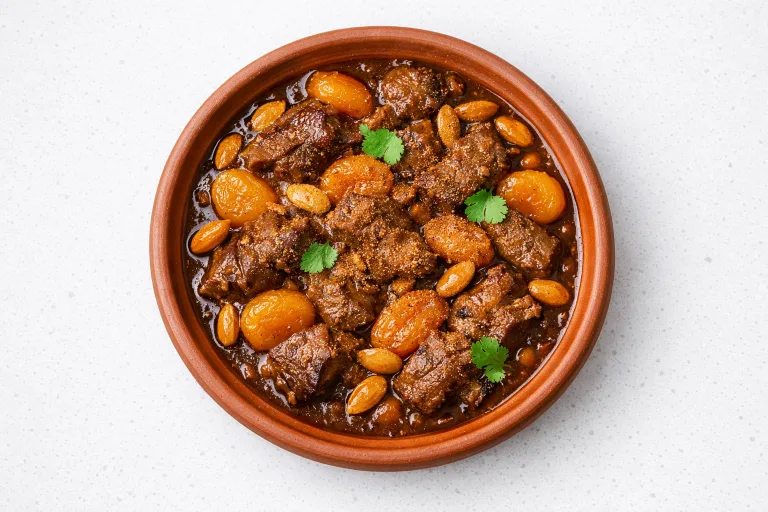
In Lebanon and Syria, Christian communities prepare meghli, a spiced rice pudding, for the Christmas season. Ethiopian Orthodox Christians, who observe one of the strictest Nativity Fasts in Christianity (43 days of vegan eating), break their fast with doro wat, a rich chicken stew that tastes incomparably better after weeks without animal protein.
The anthropologist Claude Levi-Strauss argued that food prohibitions create cultural identity as much as food preferences do. What you refuse to eat defines your community just as much as what you choose to eat. Christmas fasting traditions bear this out across every culture that practices them.
Frequently Asked Questions
Do Catholics still fast on Christmas Eve?
Since 1966, the Catholic Church no longer requires fasting or abstinence on Christmas Eve. Pope Paul VI's Paenitemini reduced mandatory fasting days to Ash Wednesday and Good Friday. However, many Catholics in Poland, the Czech Republic, Slovakia, and Italy voluntarily maintain the meatless Christmas Eve tradition as a cultural and family practice.
What is the Orthodox Nativity Fast?
The Orthodox Nativity Fast is a 40-day fasting period from November 15 to December 24 (or November 28 to January 6 in churches using the Julian calendar). Orthodox Christians abstain from meat, dairy, and eggs during this time, with fish permitted on certain days. The fast intensifies in the final week before Christmas.
Why do some families not eat meat on Christmas Eve?
The meatless Christmas Eve meal originates from the old Catholic rule of abstinence on the day before Christmas. Even though the Church obligation was lifted in 1966, the tradition survived in many countries, particularly in Central and Eastern Europe. In Poland (Wigilia), the Czech Republic, Slovakia, and Italy (Feast of the Seven Fishes), the meatless Christmas Eve supper remains the most important meal of the year.
How long is the Advent fasting period?
Traditional Advent lasts about four weeks, from the Sunday nearest November 30 until Christmas Eve. In the Orthodox tradition, the Nativity Fast is longer at 40 days. Western Catholic Advent fasting was historically observed on specific days (particularly the Ember Days in the third week) rather than continuously throughout the season.
Can you eat fish during the Christmas fast?
In the Orthodox Nativity Fast, fish is generally permitted on Saturdays, Sundays, and major feast days that fall during the fasting period. In the Catholic meatless Christmas Eve tradition, fish is not only permitted but has become the centerpiece of the meal in many cultures, most famously in the Italian Feast of the Seven Fishes and the Central European tradition of Christmas carp.
Is fasting before Christmas biblical?
The Bible does not specifically command fasting before Christmas, since Christmas as a holiday developed centuries after the New Testament was written. However, fasting as spiritual preparation for significant events has strong biblical precedent. The 40-day length of the Nativity Fast intentionally mirrors the 40-day fasts of Moses and Jesus described in Scripture.