
A Christmas Memory (1997)
A new version of Truman Capote's 1956 tale based on his own bittersweet upbringing in Alabama. The story deals with a seven-year-old who forms a special friendship with his simple, older cousin whose two sisters and bachelor brother feel he needs better influences and role models and decide to send him to military school after the Christmas holidays.
 rating 6/10 User rating 12 votes 61%
 ❄ Christmas Connection
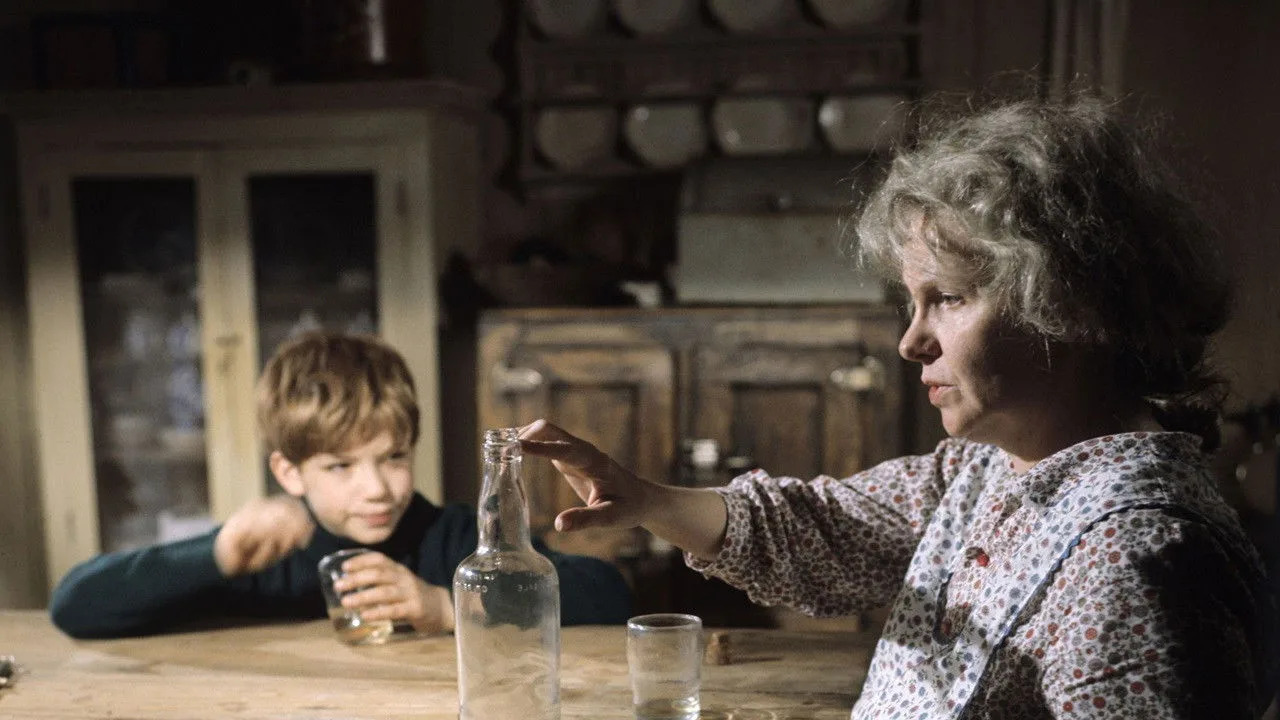
The entire film revolves around the annual Christmas fruitcake ritual that Buddy and his cousin Sook share, set in Depression-era Alabama. The two friends scrape together their savings, forage for pecans, buy whiskey from a bootlegger, and deliver their fruitcakes to strangers every year before Christmas. Christmas is not backdrop here; it is the emotional engine of the story.
Where to Watch


Our Review
Truman Capote published "A Christmas Memory" in Mademoiselle magazine in December 1956. He was thirty-two years old and writing about a seven-year-old version of himself in rural Alabama during the early 1930s, specifically about his eccentric older cousin Sook, who was his closest friend in the world until the adults in the household decided he was old enough for school. The story is barely five thousand words. It does not need to be longer. The 1966 television adaptation understood that, ran forty-nine minutes, and won two Emmy Awards and a Peabody. The 1997 Hallmark version runs ninety-six minutes, which tells you almost everything you need to know about the differences between the two.
That is not a dismissal. The 1997 film, directed by Glenn Jordan, is a decent piece of work. Jordan spent decades making prestige television with genuine craft, winning four Emmys across projects like "Promise" and "Benjamin Franklin," and his handling of the Depression-era Alabama setting is unhurried and visually warm. The problem is not execution. The problem is the expansion itself.
What the 1997 Film Does Differently
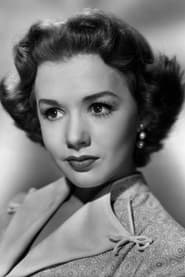
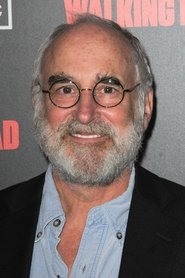
Screenwriter Duane Poole took Capote's tight autobiographical sketch and built a conventional family drama around it. Where the original story focuses almost entirely on Buddy and Sook's private rituals, the film populates the household with characters who barely register in Capote's prose: three aging cousins named Jennie, Callie, and Seaborne, a neighbor girl named Rachel, a domestic worker named Anna. Piper Laurie plays Jennie as the household's disapproving authority figure. Jeffrey DeMunn plays the ailing Seaborne, largely confined to a chair.
These additions give the film a plot structure the original story deliberately lacked. There are now family tensions, arguments about sending Buddy to military academy, and backstory about his parents' divorce and his theatrical mother in New York. The fruitcake ritual, the heart of Capote's story, is still here and still lovely. But now it has to compete with subplot.
The most defensible thing about the expansion is that it does clarify why Buddy ends up in this household at all, which the short story leaves impressionistic. For viewers who don't know Capote's biography, the added context helps.
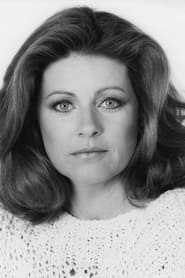
Patty Duke as Sook
Casting Patty Duke as Sook was the film's most interesting decision and its most complicated one. Duke won the Academy Award for Best Supporting Actress in 1963 at age sixteen for "The Miracle Worker," making her the youngest Oscar winner at that time. By 1997, she had built a career in difficult emotional roles, and her Sook is genuinely affecting in certain scenes. Her face registers Sook's child-like joy with real warmth, and she finds moments in the fruitcake preparation sequences that feel true to Capote's vision of a woman who is simultaneously elderly and entirely childlike in her enthusiasms.
The performance has real problems, though. The southern accent drifts in and out. And Duke occasionally tips Sook into broader territory than the character needs, playing her developmental disability in ways that feel slightly performed rather than inhabited. Geraldine Page in the 1966 version found something eerier and more specific. Duke's Sook is easier to love and easier to watch but less haunting.
Eric Lloyd plays Buddy. Lloyd was ten years old during production, shot in Georgia between late February and late March of 1997. He had already played Charlie Calvin in Disney's "The Santa Clause" in 1994, so he arrived with real screen experience. His performance is natural and unforced, which is the right instinct for the character. He earned a Young Artist Award nomination for the role.
Is This the Right Length for This Story?
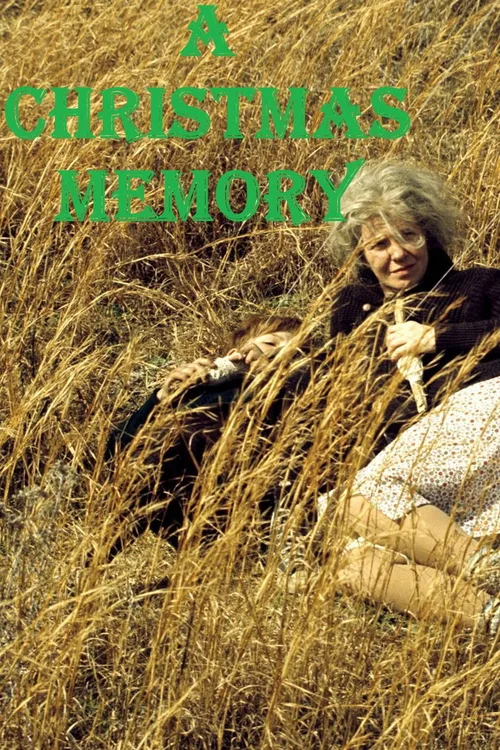
Capote's story ends with Sook and Buddy lying in a field, flying kites they've made as Christmas gifts for each other. The emotional weight of that ending comes from everything we don't know yet: that Buddy will be sent away, that Sook will die within a few years, that this particular Christmas morning is the last real one they'll have together. The story earns that weight through restraint. Everything essential is in what isn't said.
At ninety-six minutes, the 1997 film fills in what Capote left unsaid, and the filling-in weakens the story. When Jennie announces plans to send Buddy to military academy, it's not wrong exactly. The film needs a dramatic engine. But it converts a meditation into a conflict, and those are different things.
The fruitcake scenes work best, which makes sense. Buddy and Sook counting out their savings from the Fruitcake Fund, hunting pecans, negotiating with the bootlegger Haha Jones for a quart of whiskey. In Capote's story, HaHa Jones refuses their money and asks for a fruitcake instead, the one genuinely funny and unexpected beat. The film handles it with appropriate lightness.
Jordan's direction finds a consistent warmth in the material. This is not a film that feels manufactured or cynical. It takes Capote's story seriously and wants to honor it. The problems are structural, not intentional.
The Shadow of 1966
Any review of the 1997 version has to reckon with the 1966 ABC Stage 67 production. Geraldine Page played Sook, Donnie Melvin played Buddy, and Truman Capote himself narrated. Page won the Emmy for Outstanding Single Performance by a Leading Actress in a Drama. The teleplay won Outstanding Writing Achievement in Drama. The production also won a Peabody Award. It runs forty-nine minutes and contains the original text with almost no embellishment.
The 1997 version is not trying to replace that production. It is, fairly explicitly, a different interpretation of the same source material, filling in biographical context that Capote compressed or omitted. Viewers who haven't seen the 1966 version will find the 1997 film a perfectly watchable holiday drama with a strong central performance and genuine emotional moments. Viewers who have seen the 1966 version will spend ninety-six minutes wishing for forty-nine.
Both versions aired during the Christmas season, thirty-one years apart. The 1997 version aired on December 21, 1997, in primetime. It found an audience.
Fun Facts
Truman Capote's original story "A Christmas Memory" was published in Mademoiselle magazine in December 1956. He wrote it in part as a tribute to his cousin Nanny Faulk, known as Sook, who was his closest companion during his Depression-era Alabama childhood.
The character Haha Jones, the bootlegger who sells Buddy and Sook their whiskey for the fruitcakes, was based on a real person. In Capote's story, Jones refuses their money and asks for a fruitcake instead. The story is set during Prohibition, when buying whiskey required seeking out illegal suppliers.
Patty Duke was 16 years old when she won the Academy Award for Best Supporting Actress for "The Miracle Worker" in 1963, making her the youngest competitive Oscar winner at that time. She played a character with a disability in that film as well, portraying the young Helen Keller.
Eric Lloyd, who plays Buddy in the 1997 film, had already starred as Charlie Calvin in Disney's "The Santa Clause" (1994) before taking this role, meaning he appeared in two major Christmas productions before his twelfth birthday.
Director Glenn Jordan won four Emmy Awards during his career and earned thirteen nominations total. His 1986 Hallmark Hall of Fame production "Promise," starring James Garner and James Woods as brothers dealing with schizophrenia, won both the Emmy for Outstanding Drama and the Emmy for Outstanding Directing.
The 1966 version of "A Christmas Memory" aired as part of "ABC Stage 67," a prestige anthology series. Geraldine Page's Emmy-winning performance as Sook remains one of the most praised individual performances in American television history.
The 1997 production was filmed in Georgia, not Alabama, where Capote's story is set. It aired in primetime on December 21, 1997, and was produced by Robert Halmi Sr., one of the most prolific producers in Hallmark television history.
Cast