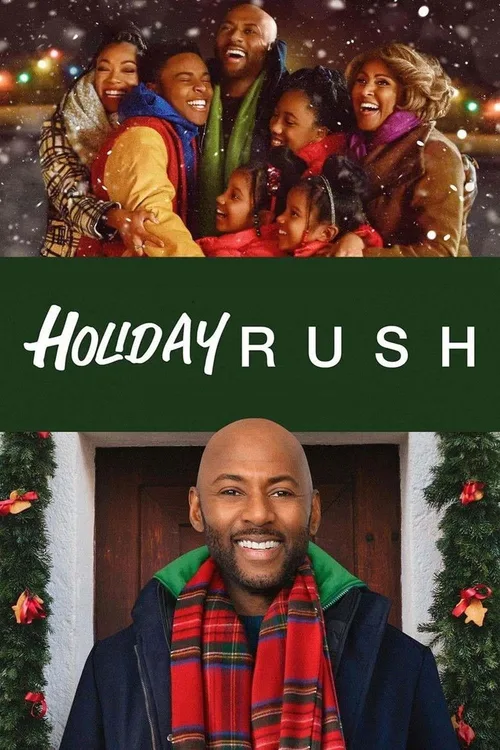
Holiday Rush (2019)
After his sudden firing, a popular radio DJ moves in with his aunt, bringing along his four spoiled children, and a plan to return to the airwaves.
 rating 6/10 User rating 223 votes 56%
 ❄ Christmas Connection
Holiday Rush is set entirely in the Christmas season, with the holiday deadline driving every plot turn: Rush loses his job just as his kids submit their extravagant gift lists, and the race to buy a radio station has to conclude before Christmas morning. The film culminates in a live Christmas Eve broadcast and ends with Darlene Love performing her signature holiday material. Christmas is not backdrop here; it is the engine of the story.
Where to Watch


Our Review
Holiday Rush arrived on Netflix on November 28, 2019, and it made almost no noise. No think-pieces, no discourse, no Twitter arguments about whether it counts as a real Christmas movie. It just appeared, ran its 93 minutes, and quietly became the kind of film that a significant portion of the planet has watched at least once while wrapping presents. That quiet competence is actually its defining quality.
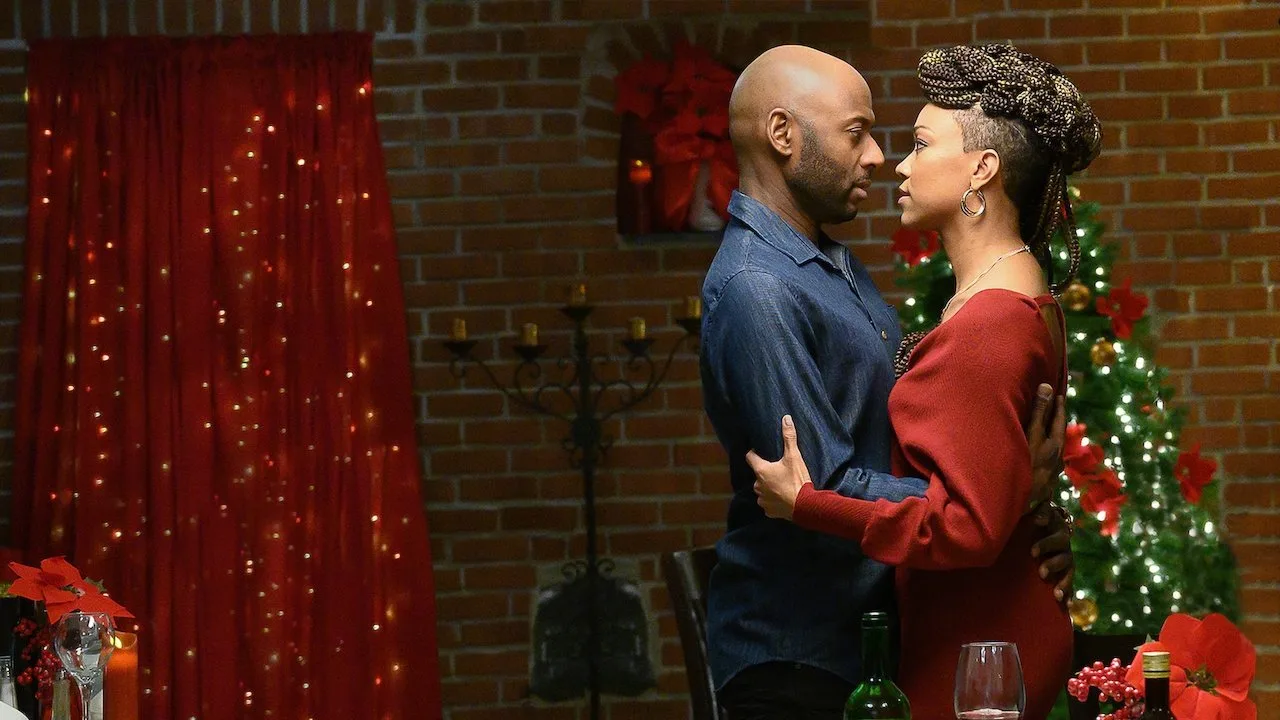
Romany Malco plays Rashon "Rush" Williams, the top-rated morning DJ at a Pittsburgh hip-hop station, a widowed father who has been throwing money at his grief for years. His four kids have grown into spectacular consumers: they want MacBooks, luxury sneakers, and a trip to Paris for Christmas. Then the station gets sold, Rush gets fired, and the family's credit cards stop working. They pack up and move into the Queens apartment of his Aunt Jo, played by Darlene Love, who has very little patience for their complaints.
What the Movie Actually Gets Right
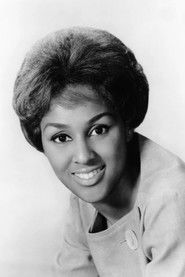
The casting of Darlene Love is not subtle. She is, in real life, one of the most celebrated voices in Christmas music history. Her performance of "Christmas (Baby Please Come Home)" on the Ronettes' 1963 A Christmas Gift for You album, produced by Phil Spector, became a holiday standard. Casting her as the warm, no-nonsense aunt who grounds an out-of-control family is exactly the kind of choice that works even if you don't catch the reference. And if you do catch it, the final scene where she performs pays off in a way that feels earned rather than stunt-y.
Sonequa Martin-Green, better known as the lead of Star Trek: Discovery, plays Rush's producer and longtime friend Roxy. She is given a subplot that the script handles awkwardly but she handles well. Martin-Green brings a specificity to Roxy that the dialogue doesn't always earn. She makes choices in the quiet moments that suggest a real person, not just a best-friend function.
The four kids are the usual mix of archetypes: the eye-rolling teenager, the sweet one, the troublemaker, the youngest who understands more than expected. They work because the film doesn't try to make them likeable immediately. They are, at first, genuinely insufferable, and that makes the gradual shift believable.
The Radio DJ Angle
The film takes the radio industry seriously in small ways that matter. Rush's firing isn't random cruelty; it's the result of format changes that happen constantly in real radio. The pivot to streaming, the consolidation of stations by corporate buyers, the morning show that gets cut when the new ownership decides the audience has changed: these are recognizable pressures to anyone who has followed the slow collapse of terrestrial radio over the past twenty years.
Rush's plan to buy back the station with his family's help is absurd on a financial level the film doesn't examine closely. But the radio world around it feels lived-in. The booth scenes, the interplay between on-air personality and producer, the relationship between a DJ and his regular callers: the film shot these sequences on location in Queens and they look like a real station, not a Hollywood version of one.
Where It Doesn't Quite Land
The romance between Rush and Roxy is telegraphed so early and so clearly that the film essentially stops pretending it's a mystery by the halfway point. There's no tension, no real obstacle, and the resolution is exactly what you knew it would be from the opening ten minutes. This is a structural problem in a lot of Netflix Christmas films: the formula is so established that the genre conventions have become the plot.
The spoiled-kids-learn-humility arc resolves faster than it probably should. The kids go from demanding Paris trips to enthusiastically helping their father rebuild his career in a span that feels compressed. The film is 93 minutes, which is the right length, but it means some of the character work gets squeezed.
None of this is disqualifying. It is, to use a word the film itself might use, a banger in its lane. It knows what kind of movie it is and executes that version with competence and occasional genuine warmth.
The Darlene Love Factor
She gets the last word. After Rush reclaims his platform and the family has come through their Christmas crisis intact, Love performs. Watching a 78-year-old woman who sang backup for Phil Spector in 1963, who spent decades fighting for royalties she was owed, who was inducted into the Rock and Roll Hall of Fame in 2011, close out a Netflix Christmas comedy with her voice fully intact: that's something. The movie earns that ending by not overselling it.
Fun Facts
The entire film was shot on location in Queens, New York, with principal photography running from March 28 to April 24, 2019, which means the cast filmed Christmas scenes in early spring temperatures.
Darlene Love, who plays Aunt Jo, is one of the most recorded backup singers in rock history. She sang lead on "He's a Rebel" in 1962 under the name The Crystals, though she was not actually a member of that group.
The film was released on Netflix on Thanksgiving Day 2019 (November 28), a deliberate scheduling choice to capture viewers starting their holiday streaming season.
Sonequa Martin-Green, who plays producer Roxy, was simultaneously the lead of Star Trek: Discovery on Paramount+ when Holiday Rush was released, making her one of the few actors heading two different streaming platform productions at the same time.
The subtitle error noted by viewers: in one scene, Netflix's subtitles read "'O Come, O Come, Emmanuel' instrumentals" while the carol actually playing is "God Rest Ye Merry, Gentlemen."
Romany Malco previously played a romantic lead in the 2005 film The 40-Year-Old Virgin alongside Steve Carell. Holiday Rush marked one of his first leading roles in a holiday film.
Director Leslie Small is primarily known for concert films, having directed stand-up specials for Kevin Hart and other comedians before moving into narrative features.
Cast