
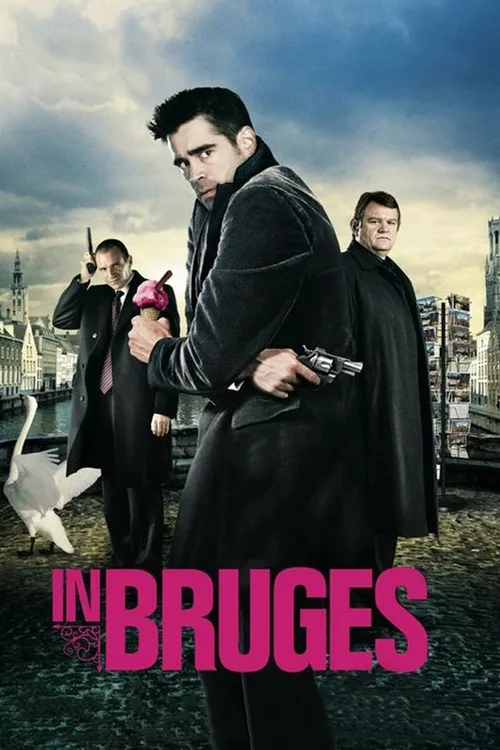
Shoot first. Sightsee later.
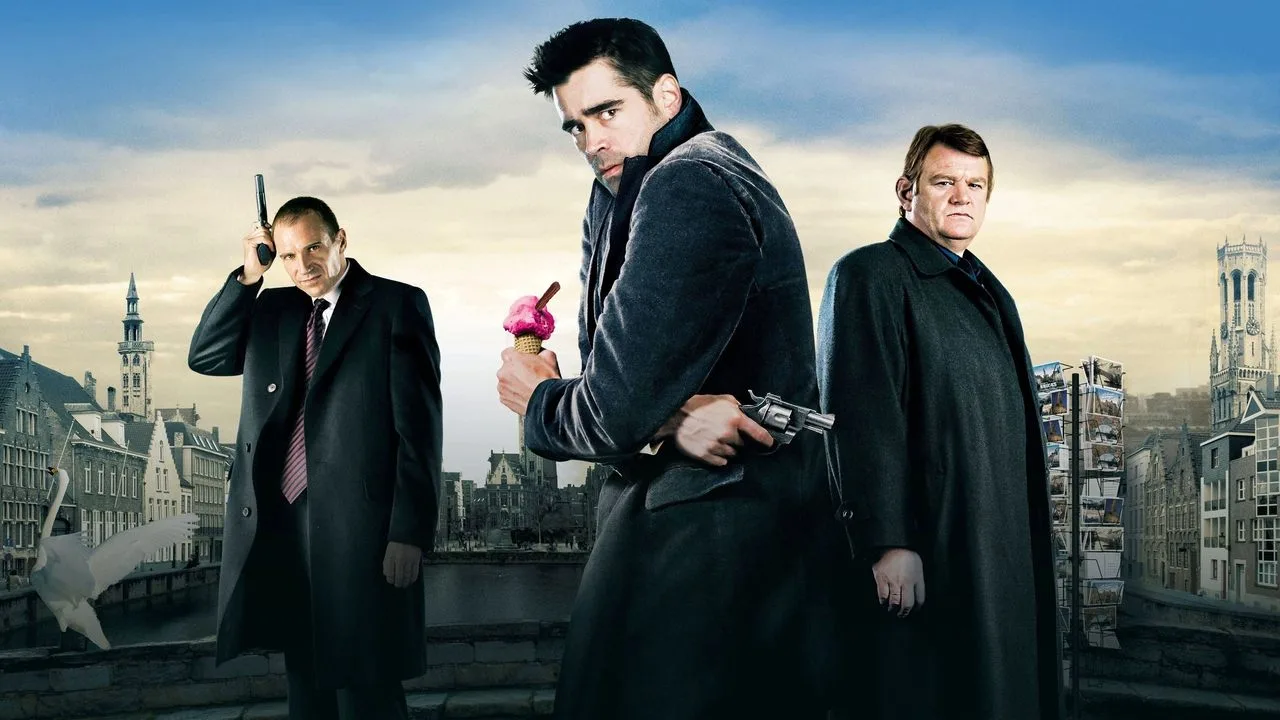
In Bruges (2008)
Ray and Ken, two hit men, are in Bruges, Belgium, waiting for their next mission. While they are there they have time to think and discuss their previous assignment. When the mission is revealed to Ken, it is not what he expected.
 rating 9/10 User rating 5,643 votes 75%
 ❄ Christmas Connection
In Bruges takes place during Christmas, with Bruges blanketed in snow and holiday markets lighting the canals. The Christmas setting is more backdrop than theme, but it gives the film its particular atmosphere of cold beauty masking something ugly underneath. Two men in a fairy-tale city at the most festive time of year, unable to feel any of it.
Where to Watch


Our Review
The premise sounds like a setup to a joke: two Irish hitmen walk into Bruges at Christmas. One hates it. One is overcome by it. Their boss, Ralph Fiennes at his most operatically furious, has sent them there to wait. What they're waiting for, Ray, the younger and more volatile of the pair, doesn't know. What they're actually waiting for turns out to be a reckoning.
Martin McDonagh's In Bruges (2008) is his feature debut, and it's one of those films that shouldn't work on paper but is immaculate in execution. It's a hitman movie, a buddy comedy, a Catholic guilt trip, and a meditation on punishment, all wrapped in the cold December air of a Belgian city that looks like someone built a theme park out of the Middle Ages and then forgot to put rides in it.
Why In Bruges Works as a Christmas Movie
The film is set at Christmas almost incidentally. McDonagh uses the holiday the way a good novelist uses setting: not as decoration but as counterpoint. The canals are frozen. The belfry is lit. Horse-drawn carriages clop past lit shop windows. And in the middle of all this postcard perfection, two men are trying to figure out whether one of them deserves to die.
Christmas is the season of forgiveness and grace, which makes it the perfect backdrop for a story about whether either of those things is available to someone who has done what Ray has done. The film doesn't moralize. McDonagh is too good a writer to moralize. But the tension between the festive setting and the moral horror underneath it is what gives In Bruges its particular grip.
Colin Farrell's Best Performance
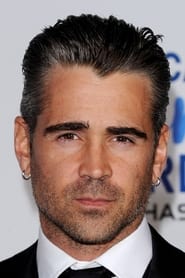
Ray, played by Colin Farrell, is not a likable character in any conventional sense. He's a racist, a hothead, and a man who made a catastrophic error on his first job. Farrell won the Golden Globe for Best Actor in a Musical or Comedy for this role, and it's deserved. He makes Ray genuinely funny and genuinely tragic at the same time, which is hard enough in a novel and nearly impossible on screen.
Farrell reportedly almost didn't take the part. He turned it down initially, worried his profile at the time would bring unwanted baggage to a small film. He changed his mind, which was the right call. This is the role that proved he could carry something built on language rather than spectacle.
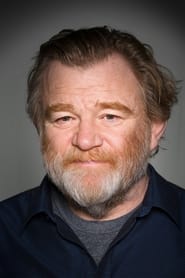
Brendan Gleeson's Ken is the other half of the equation, and Gleeson does something quieter and arguably harder. Ken genuinely loves Bruges. He wanders the museums, climbs the belfry, takes the tourist boat. He is a hitman who has found, in this unlikely medieval city, something that approaches peace. Gleeson plays this without condescension or irony. Ken's appreciation for Bruges is real, which makes what happens to him matter.
Ralph Fiennes as Harry Waters
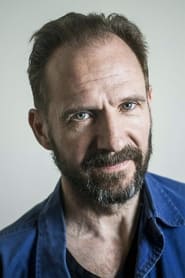
Ralph Fiennes arrives late in the film and immediately takes it over. Harry Waters, the London-based crime boss, is the funniest character in a very funny film, which is a strange achievement given that he's also its moral center. Harry has a code. The code is extreme, genuinely unworkable in the real world, and he applies it with total seriousness. Fiennes plays this completely straight, which is why it works.
The phone conversations between Harry and Ken in the first half of the film are brilliant set pieces of comedy writing. Harry's insistence on pronouncing the city's name correctly, his escalating fury at being contradicted, his absolute refusal to grant any flexibility: all of it is hilarious, and none of it undercuts the fact that Harry is dangerous.
Bruges as Character
Bruges in winter is genuinely beautiful, and the film knows it. Cinematographer Eigil Bryld shoots the city with real affection without tipping into travelogue. The film was shot on location from February to March 2007, in actual Bruges winter conditions, which gives the exteriors a rawness that a set couldn't fake.
McDonagh wrote the film after visiting Bruges and being struck by exactly the collision Ray experiences: the stifling perfection of the place, the sense of being trapped in something too preserved to breathe in. Ray's claustrophobia is the film's engine. He is a man who needs noise and mess and forward motion, stuck in a city that has been static for six hundred years. At Christmas. With nothing to do.
What the Film Is Actually About
McDonagh has been consistent in interviews about the film's subject: guilt, and whether it can be atoned for. Ray made a mistake that killed a child. He didn't mean to. It doesn't matter that he didn't mean to, because the child is dead. The film refuses to let Ray off the hook while also refusing to reduce him to a symbol of evil.
This is Catholic moral thinking in its most rigorous form, applied to genre cinema. McDonagh grew up in an Irish Catholic household in London, and the theology underneath In Bruges is not decoration. The question the film is asking, by the end, is whether there are sins that cannot be forgiven and, if so, who gets to decide. Harry Waters thinks he knows the answer. So does Ray. They're both right and both wrong, in ways that only become clear in the final ten minutes.
McDonagh was nominated for the Academy Award for Best Original Screenplay for this film, and it's a nomination that makes sense. The script is extraordinary: funny without being self-congratulatory, dark without being oppressive, and structured with a precision that only reveals itself on a second viewing.
Fun Facts
Martin McDonagh originally wrote the characters of Ray and Ken as Londoners, not Irishmen. He rewrote them as Irish only after casting Colin Farrell and Brendan Gleeson, and later said "everything seemed to fall into place after that."
Colin Farrell initially turned down the role of Ray because he feared his star profile at the time would draw negative attention to the small film. He reconsidered and went on to win the Golden Globe for Best Actor in a Musical or Comedy.
The film premiered as the opening selection of the Sundance Film Festival on January 17, 2008, where it generated significant buzz before its theatrical release.
Principal photography took place from February 2 to March 28, 2007, entirely on location in Bruges, Belgium, during actual winter conditions.
The film earned $34.5 million at the box office against a production budget of $15 million, making it a significant financial success for a film of its scale.
Martin McDonagh won the BAFTA Award for Best Original Screenplay for the film, adding to his Golden Globe win for that same category.
The Belfry of Bruges, which Ray refuses to climb and Ken climbs alone in one of the film's key scenes, is a 13th-century tower that dominates the Grote Markt square and is a UNESCO World Heritage Site.
Ralph Fiennes's Harry Waters was designed to be the film's funniest character despite also being its most dangerous. Fiennes prepared by meeting actual gangsters and studying the absolute conviction with which they hold their personal codes of honor.
Cast