
Capture the spirit of Christmas with this timeless classic!
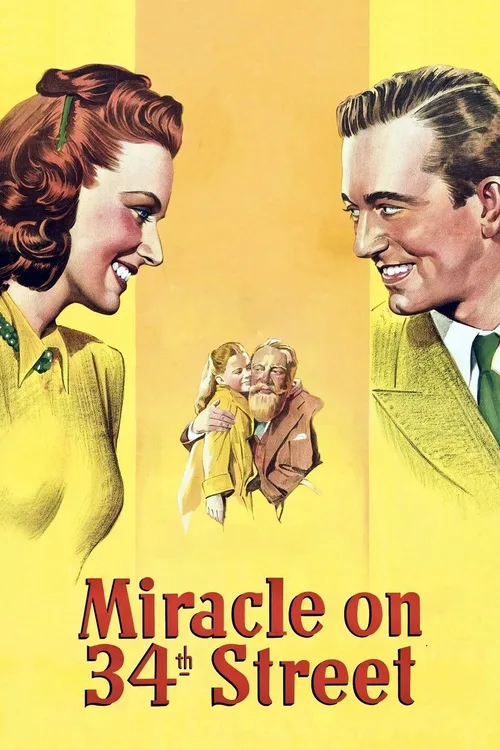
Miracle on 34th Street (1947)
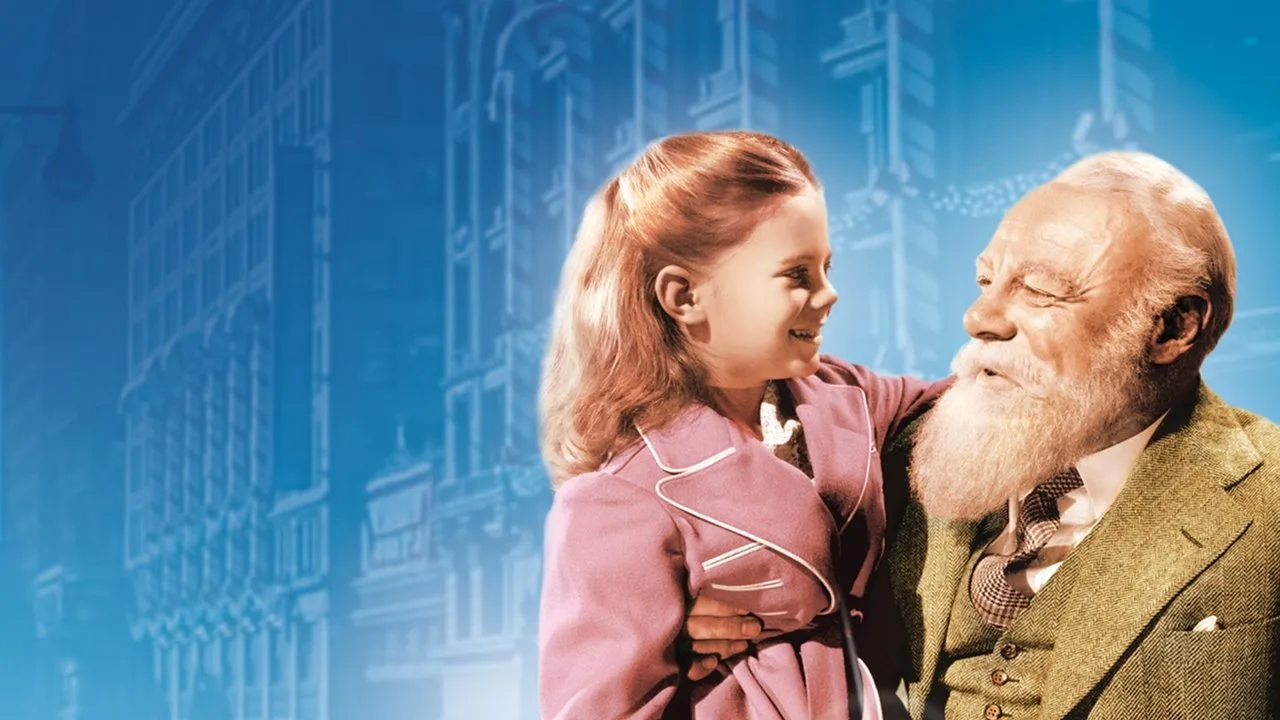
Kris Kringle, seemingly the embodiment of Santa Claus, is asked to portray the jolly old fellow at Macy's following his performance in the Thanksgiving Day parade. His portrayal is so complete that many begin to question if he truly is Santa Claus, while others question his sanity.
 rating 9/10 User rating 824 votes 74%
 ❄ Christmas Connection
Miracle on 34th Street is set entirely during the Christmas shopping season in New York City, centering on a man who claims to be the real Santa Claus. The film's courtroom climax hinges on proving Santa's existence, and its themes of belief, generosity, and commercial vs. genuine Christmas spirit define it as one of the most purely Christmas films ever made.
Where to Watch


Our Review
Miracle on 34th Street opens with a drunk Santa getting fired from the Macy's Thanksgiving Day Parade and a dignified old man stepping in to replace him. Within ten minutes, you know exactly what kind of movie this is: sharp, warm, and smarter than it has any right to be. Released in 1947 and directed by George Seaton, the film asks a simple question with no simple answer. Is Kris Kringle the real Santa Claus, or just a very convincing old man?
Why the 1947 Original Still Works
The genius of Miracle on 34th Street is that it takes its own premise seriously. Kris Kringle, played by Edmund Gwenn, doesn't wink at the camera. He doesn't do magic tricks. He speaks Dutch to a war orphan. He redirects Macy's customers to rival stores because those stores have what the customers actually need. His Santa Claus is generous in a way that costs him something, and that's what makes him believable.
Gwenn won the Academy Award for Best Supporting Actor for this role. When people congratulated him, he reportedly said there was "no performance" involved. He was 72 years old at the time, a Welsh-born character actor who had been working since the silent era. The Oscar was well earned.
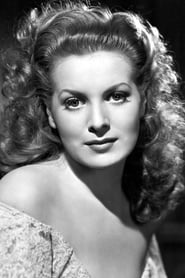
Maureen O'Hara plays Doris Walker, the pragmatic Macy's events director who doesn't believe in fairy tales and has raised her daughter Susan the same way. O'Hara brings genuine steel to the role. She's not a killjoy; she's a single mother protecting her kid from disappointment. That distinction matters. When her skepticism finally cracks, it lands because the movie never made her the villain.
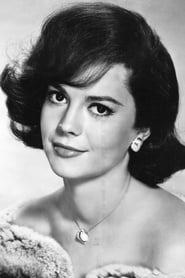
Young Natalie Wood, just nine years old, plays Susan with a matter-of-fact seriousness that avoids every child actor cliche of the era. She doesn't believe in Santa because her mother told her the truth. She's not sad about it. She's practical. Watching her slowly reconsider is the film's quiet emotional engine.
The Courtroom Scene That Defined a Christmas Classic
The film's third act puts Santa Claus on trial. Literally. Kris Kringle has been committed to Bellevue Hospital, and his lawyer, Fred Gailey (John Payne), argues in open court that his client is the one and only Santa Claus. The judge, facing re-election, does not want to be the man who ruled Santa doesn't exist.
George Seaton won the Oscar for Best Adapted Screenplay for this sequence, and you can see why. The courtroom scenes are funny, tense, and surprisingly cynical about politics and public opinion. Fred's winning argument doesn't rely on miracles. It relies on the United States Post Office. Bags of letters addressed to Santa Claus, delivered by federal mail carriers to Kris Kringle in the courtroom. If the U.S. government recognizes this man as Santa, who is a New York judge to disagree?
It's a legal technicality played as a moment of grace. That balance is what separates this film from its many imitators.
The 1994 Remake: Competent but Cautious
The 1994 version, directed by Les Mayfield, stars Richard Attenborough as Kris Kringle, with Elizabeth Perkins and Dylan McDermott filling the adult leads. Mara Wilson plays Susan. The remake is perfectly watchable. Attenborough brings warmth and gravity to the role. Wilson, fresh off Mrs. Doubtfire, is a capable young actress.
But the remake smooths over everything that made the original interesting. The courtroom climax swaps the mail delivery gag for a dollar bill with "In God We Trust" printed on it. The argument becomes: if the U.S. Treasury trusts in God without proof, the court can trust in Santa without proof. It's clever on paper. On screen, it lacks the absurd, joyful escalation of postal workers dumping sacks of mail onto a judge's bench.
The 1994 version also softens Doris. She's less sharp, less complicated. The original Doris had real reasons for her cynicism and the movie respected them. The remake turns her skepticism into a problem to be fixed rather than a position to be understood.
If you've never seen either version, start with 1947. If your kids need color and a faster pace, the 1994 film does the job. But the original is the one that sticks.
Macy's, Christmas Commerce, and the Film's Sneaky Message
Miracle on 34th Street has one of the strangest production stories in Hollywood. 20th Century Fox released the film in June 1947, not December. Studio head Darryl F. Zanuck believed more people went to the movies in summer, so he marketed it as a general comedy and hid the Christmas angle in the advertising. The gambit worked financially, but it also meant the film had to prove itself without seasonal goodwill propping it up.
The movie's relationship with Macy's is genuinely subversive. Kris Kringle's big innovation is telling customers to shop at Gimbels if Gimbels has a better price. Macy's management initially panics, then realizes customers love the honesty and keep coming back. The film is simultaneously a critique of Christmas commercialism and a commercial for Macy's. Macy's cooperated with the production and allowed filming in their actual store. They understood the joke, and they understood it was good for business.
That tension between sincerity and commerce runs through the whole film, and it's never fully resolved. Kris Kringle may be the real Santa, but he's also the best marketing strategy Macy's ever had. The movie knows this. It just doesn't belabor the point.
Fun Facts
Edmund Gwenn won the Best Supporting Actor Oscar for playing Kris Kringle, making him one of the few actors to win an Academy Award for playing Santa Claus.
20th Century Fox released the film in June 1947, deliberately downplaying the Christmas theme in marketing because studio head Darryl F. Zanuck thought summer audiences were larger.
Natalie Wood was only nine years old during filming. She later said she spent much of the shoot genuinely uncertain whether Edmund Gwenn might actually be Santa Claus.
Macy's department store cooperated fully with the production and allowed the crew to film inside their Herald Square flagship location in New York City.
The rival store "Gimbels," frequently mentioned in the film, was a real department store that closed all its locations by 1987.
George Seaton won the Academy Award for Best Screenplay (then called Best Writing, Screenplay) for adapting Valentine Davies' original story.
In the 1994 remake, the fictional department store is called "Cole's" instead of Macy's, because Macy's initially declined to participate. They later allowed some signage to be used.
The film was added to the National Film Registry by the Library of Congress in 2005 for being "culturally, historically, or aesthetically significant."
Cast