
Discomfort and joy.
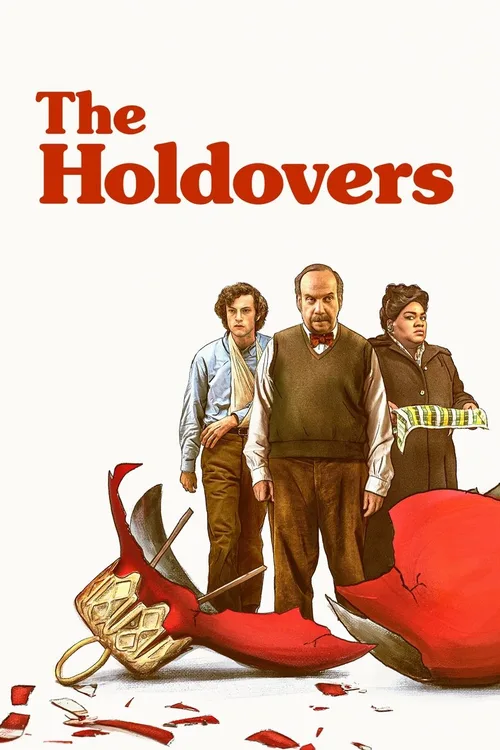
The Holdovers (2023)
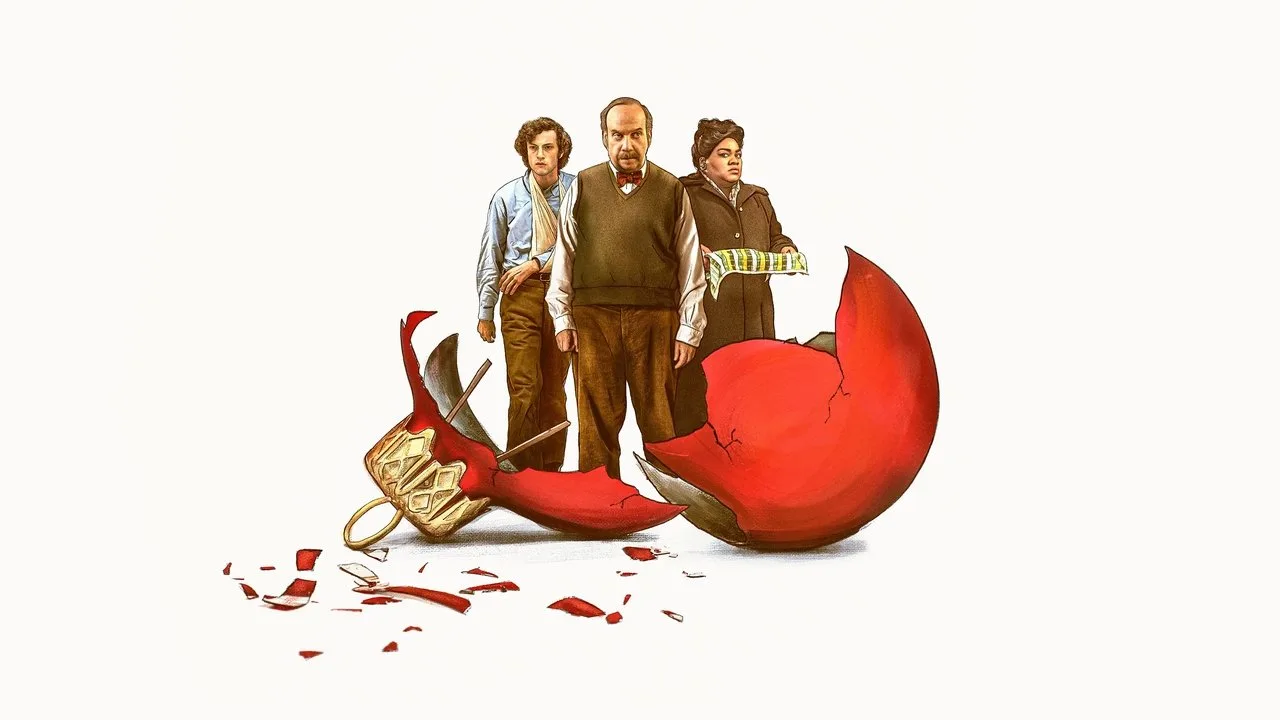
A curmudgeonly instructor at a New England prep school is forced to remain on campus during Christmas break to babysit the handful of students with nowhere to go. Eventually, he forms an unlikely bond with one of them — a damaged, brainy troublemaker — and with the school’s head cook, who has just lost a son in Vietnam.
 rating 9/10 User rating 2,393 votes 76%
 ❄ Christmas Connection
Set during Christmas break at a 1970s New England boarding school, the holiday functions as both literal backdrop and thematic engine. Christmas isolation forces the three main characters together, and the season's emphasis on family makes their lack of it painfully visible.
Where to Watch


Our Review
The Holdovers opens with a title card in a font that screams 1970s and a vintage studio logo that feels pulled from a film reel your dad forgot in the attic. It's a small joke, a wink before the movie even begins, and it sets the tone for everything that follows. Alexander Payne's 2023 comedy-drama is set during Christmas break at a fictional New England boarding school called Barton Academy, where a handful of students who can't go home for the holidays are stuck under the supervision of the last teacher anyone would choose for the job.
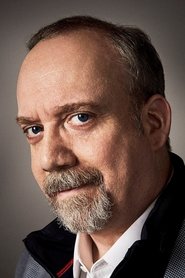
That teacher is Paul Hunham, played by Paul Giamatti with a glass eye, rumpled tweed, and the social graces of a cornered badger. He teaches Ancient Civilizations, assigns real grades in an era of gentleman's Cs, and is universally despised by students and faculty alike. He's the kind of man who quotes Marcus Aurelius at teenagers and genuinely expects them to take notes.
Paul Giamatti and the Art of Being Unlikeable
Giamatti's performance is a masterclass in controlled abrasiveness. Hunham isn't a lovable curmudgeon. He's genuinely difficult. He's petty, self-righteous, and smells bad (a medical condition, we're told, though his colleagues seem unconvinced). The genius of the performance is that Giamatti never reaches for sympathy. He trusts the audience to find the humanity underneath without signposting it.
When the other holdover students get rescued by a helicopter parent who whisks them off to a ski trip, Hunham is left with one student: Angus Tully, played by first-timer Dominic Sessa. Angus is bright, angry, and carrying the kind of family baggage that a $10,000-a-year boarding school is supposed to make invisible. The two of them circle each other like reluctant cellmates for the first act, trading insults that land with precision.
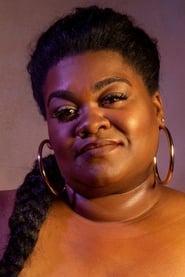
Completing the trio is Mary Lamb, the school's head cook, played by Da'Vine Joy Randolph. Mary has just lost her son in Vietnam. She stays at Barton over break not because she has nowhere else to go, but because going anywhere else means sitting alone with grief. Randolph won the Academy Award for Best Supporting Actress for this role, and the award was never in serious doubt. She carries the film's emotional core without a single scene that could be called showy.
Why The Holdovers Works as a Christmas Movie
Here's the thing about The Holdovers as a Christmas film: it never tries to be one in the traditional sense. There's no tree-decorating montage. No last-minute miracle. No snow-dusted reconciliation scored to "Silent Night." Christmas in this movie is the reason these three people are trapped together, and what they build in that confinement is the closest any of them will get to family for a long time.
The holiday setting works precisely because it highlights absence. Mary's son won't be coming home, not for Christmas or ever. Angus's mother chose her new husband's family over her own kid. Hunham has no one to call. The cheerfulness of the season makes the loneliness sharper, and Payne never lets the audience forget it.
There's a scene where the three of them eat Christmas dinner together in the school cafeteria. It's quiet and awkward and real. No one makes a speech about the meaning of the season. They just eat.
Alexander Payne's Throwback Filmmaking
Payne and cinematographer Eigil Bryld shot the film to look like it was actually made in the early 1970s. The color palette is muted browns and greens, the lighting is soft, and the camera moves with a patience that modern comedies have largely abandoned. The production design by Ryan Warren Smith fills every frame with period detail: wood-paneled hallways, clunky rotary phones, and a television that takes thirty seconds to warm up.
The screenplay by David Hemingson draws from his own boarding school experience and builds its story around small, specific moments rather than plot mechanics. A trip to Boston becomes the film's centerpiece, but even that unfolds without the kind of escalating chaos a studio comedy would demand. These characters go to a museum, eat at a diner, and attend a party. The drama comes from who they are, not what happens to them.
The Cast of The Holdovers
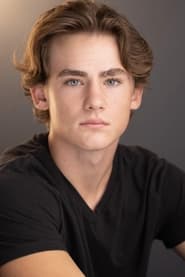
Dominic Sessa was a genuine student at the boarding school where Payne filmed. He'd never acted professionally before. You wouldn't know it. Sessa holds the screen against Giamatti, which is roughly the acting equivalent of arm-wrestling a bear. His Angus is sullen without being dull, smart without being precocious, and wounded in ways the script reveals slowly and without fanfare.
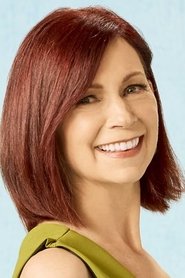
The supporting cast fills in the margins: Carrie Preston as Angus's mother, radiating brittle cheer; Naheem Garcia as Danny, a gym teacher who's the only faculty member who treats Hunham like a person; and Brady Hepner as Teddy Kountze, a holdover whose early departure sets the real story in motion.
The Ending That Earns Its Emotion
Without spoiling the specifics, the film's final act hinges on a sacrifice that Hunham makes for Angus. It's the kind of gesture that in a lesser film would be accompanied by swelling strings and a slow-motion hug. Payne plays it almost offhandedly. Hunham doesn't want credit. He doesn't even want acknowledgment. He does it because it's the right thing, and because maybe, for once, someone should put this kid first.
The last shot of the film is Giamatti walking away from the school, carrying a box of his belongings. He stops, looks back, and then keeps walking. It's the quietest possible ending for a film about loud, difficult people, and it lands like a punch you didn't see coming.
Fun Facts
Dominic Sessa was discovered when casting directors visited Deerfield Academy in Massachusetts, where the film was shot. He was a student there with no prior acting credits.
Da'Vine Joy Randolph swept the entire 2024 awards season for her role as Mary, winning the Oscar, BAFTA, Golden Globe, SAG Award, and Critics Choice Award for Best Supporting Actress.
Paul Giamatti wore a prosthetic glass eye throughout filming, which he said affected his depth perception and made walking down stairs genuinely treacherous.
Alexander Payne and Paul Giamatti previously collaborated on Sideways (2004), the wine-country road trip that earned Giamatti a career-defining snub when the Academy failed to nominate him for Best Actor.
The film's vintage look was achieved partly through old Panavision lenses from the 1970s, which Bryld paired with modern digital cameras to replicate the soft, slightly degraded quality of films from that era.
David Hemingson wrote the screenplay based on his own experience at a New England boarding school in the 1980s. He originally pitched the idea to Payne over fifteen years before the film was made.
The Holdovers cost approximately $20 million to produce and grossed over $40 million worldwide, making it one of the more profitable mid-budget films of 2023.
Cast