
A story about love at second sight.
While You Were Sleeping (1995)
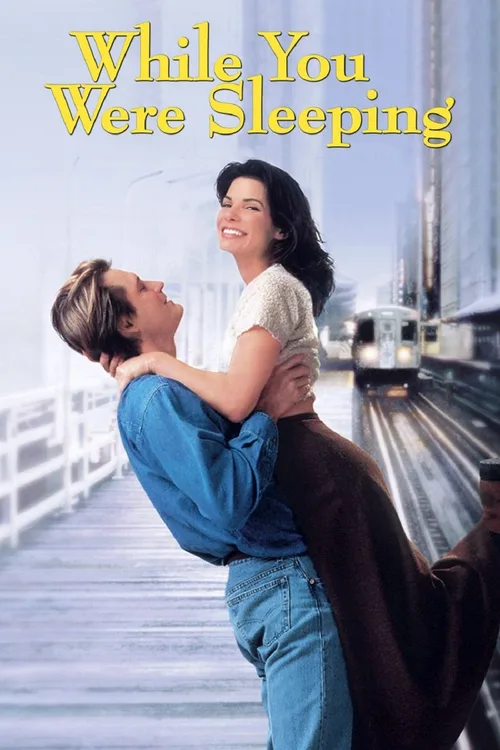
A transit worker pulls commuter Peter off railway tracks after he's mugged, but—while he's in a coma—his family mistakenly thinks she's Peter's fiancée, and she doesn't correct them. Things get more complicated when she falls for his brother, who's not quite sure that she's who she claims to be.
 rating 7/10 User rating 1,968 votes 70%
 ❄ Christmas Connection
Christmas is the catalyst for the entire plot. Lucy's loneliness during the holidays sets the story in motion, and the Callaghan family's warm Christmas gatherings are central to her emotional arc. The film runs from Christmas through New Year's, with key scenes on Christmas Eve and Christmas Day.
Where to Watch


Our Review
The premise of While You Were Sleeping (1995) is, on paper, deeply unhinged. A woman saves an unconscious stranger's life, gets mistaken for his fiancee by his entire family, and just... goes with it. For weeks. Through Christmas, New Year's, and multiple family dinners. In any other film, this would be the setup for a psychological thriller. In Jon Turteltaub's hands, it's one of the warmest romantic comedies of the 1990s.
Is While You Were Sleeping a Christmas Movie?
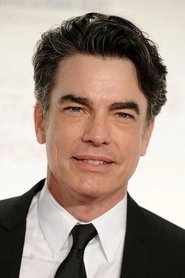
This question comes up every December, and the answer is yes, with a caveat. Christmas isn't the subject of the film, but it's the engine that drives everything. Lucy Eleanor Moderatz (Sandra Bullock) is a lonely Chicago Transit Authority token collector who has no one to spend the holidays with. Her father is dead. She has a cat named after a foreign country. She's been nursing a silent crush on a handsome commuter named Peter Callaghan (Peter Gallagher) for months.
When Peter gets mugged and pushed onto the tracks on Christmas Day, Lucy pulls him to safety. A hospital mix-up convinces Peter's large, loud, lovable family that she's his fiancee. And because it's Christmas, because she's alone, because the Callaghans are the kind of family that pulls you in like gravity, Lucy doesn't correct them.
The holiday setting isn't decoration here. It's the reason the lie works and the reason we forgive it. Loneliness at Christmas has a specific weight to it, and Bullock plays it with just enough sadness under the comedy that you understand why someone would do something this irrational.
Sandra Bullock Carries the Whole Thing
This was the film that turned Sandra Bullock from "the woman in Speed" into a genuine movie star. And it's easy to see why. She does something incredibly difficult: she makes you root for a character who is, by any reasonable standard, lying to a comatose man's family for personal emotional gain.
Bullock's secret weapon is her self-awareness. Lucy knows what she's doing is wrong. She tries to confess multiple times. The comedy comes from the family's cheerful steamrolling over every attempt she makes to tell the truth. When she finally mumbles "I'm not really his fiancee" at the hospital, a nurse pats her hand and says "Of course you are, dear." The universe itself seems to be conspiring to keep the lie alive.
The physical comedy is underrated too. Bullock's pratfalls, her awkward body language at the Callaghan dinner table, the way she laughs too loudly at jokes she doesn't get. It's a masterclass in playing discomfort as comedy without ever losing the character's dignity.
Bill Pullman and the Art of the Slow Burn
The real romance in this film isn't between Lucy and Peter (who spends most of the movie unconscious). It's between Lucy and Peter's brother Jack, played by Bill Pullman. Jack is the family skeptic. He doesn't quite buy Lucy's story, but he also can't stop showing up at her apartment with furniture and conversation.
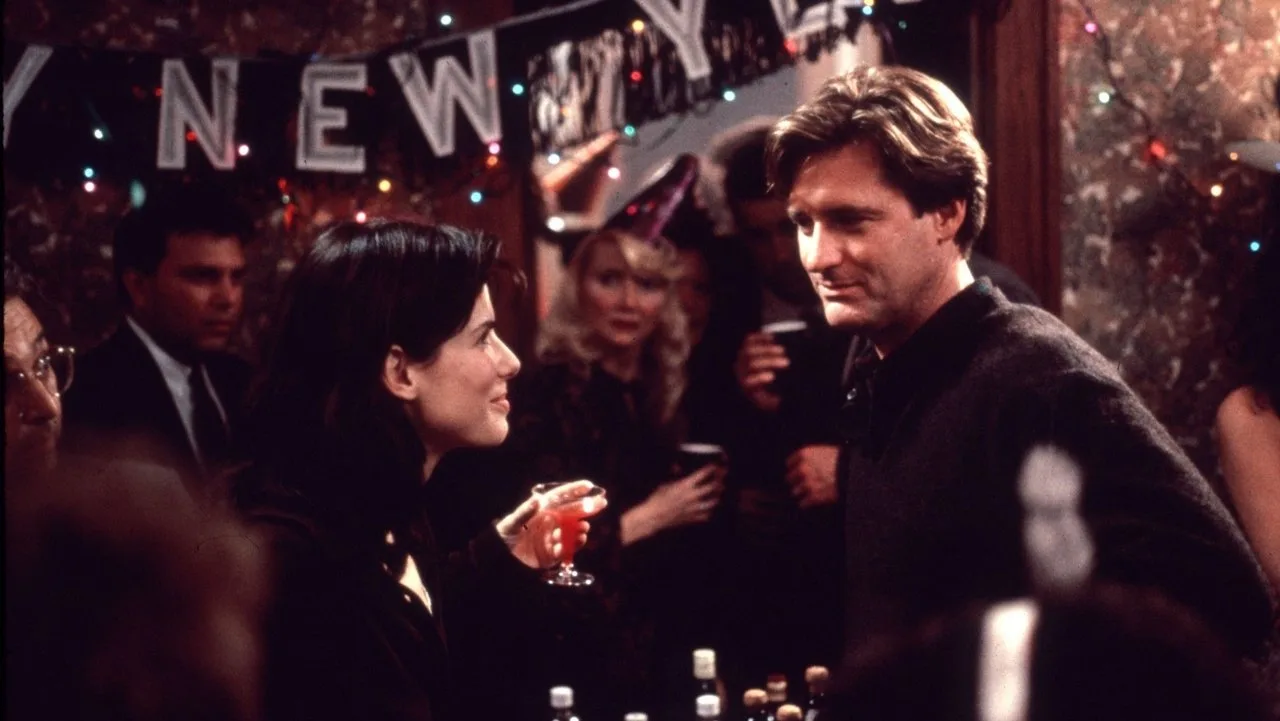
Pullman is perfectly cast as the less flashy brother. Where Peter Gallagher is all eyebrows and tailored coats, Pullman is rumpled and direct. Their chemistry builds through small moments: arguing over a dropped glove, sharing a quiet New Year's Eve, the accidental almost-kiss on the ice. Turteltaub wisely lets these scenes breathe instead of rushing to the big confession.
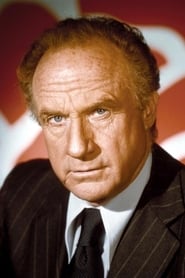
The supporting cast deserves equal billing. Peter Boyle as the gruff patriarch Ox, Jack Warden as the scene-stealing godfather Saul, and Glynis Johns as the grandmother who only speaks to announce she's allergic to cats. Every Callaghan family scene crackles with overlapping dialogue and genuine affection.
Chicago in Winter
The film is a love letter to working-class Chicago. Lucy's apartment above a restaurant. The L-train platforms covered in dirty snow. The neighborhood feel of everyone knowing everyone else's business. Cinematographer Phedon Papamichael shoots the city in soft winter light that makes even the gritty parts feel inviting.
This is a movie where Christmas looks like it does for most people: not picture-perfect, not a Hallmark card, but warm in the places that matter. The Callaghan house is cluttered and noisy. The tree is slightly crooked. Dinner is chaotic. It feels real in a way that most holiday movies don't bother attempting.
Why It Still Works
Thirty years later, While You Were Sleeping holds up better than most '90s romantic comedies. Part of that is the script by Daniel G. Sullivan and Fredric Lebow, which trusts the audience to find the humor in awkward silences rather than spelling out every joke. Part of it is the cast, who play the material like a stage ensemble rather than a collection of individual performances.
But mostly it works because the film understands something fundamental about Christmas loneliness. Lucy doesn't want Peter Callaghan. She wants his family. She wants the noise, the arguments about gravy, the in-jokes she doesn't understand yet. The lie isn't about romance. It's about belonging. And when the film finally resolves that tension, with Jack proposing at the token booth where Lucy works, it earns the sentimentality because it spent the entire movie being honest about the ache underneath it.
The last image in the film is Lucy telling the audience, in voiceover, that Jack took her to Florence for their honeymoon. "Or maybe it was Rome," she adds, with that Bullock grin. She doesn't care about the destination. She finally has somewhere to come home to.
Fun Facts
The role of Lucy was originally written for Demi Moore, who passed on it. The studio then offered it to Bullock, who was coming off the success of Speed (1994).
Bill Pullman was cast just two weeks before filming began, replacing another actor who dropped out of the project.
Peter Gallagher, who plays the comatose Peter Callaghan, had to lie still for hours during filming. He later joked that it was the easiest role he ever played.
The film was shot on location in Chicago during a real winter. The production used real CTA stations, and some scenes had to be filmed between actual train arrivals.
While You Were Sleeping was made on a modest $17 million budget and grossed over $182 million worldwide, making it one of the most profitable romantic comedies of the decade.
Jack Warden, who plays the lovable Saul, ad-libbed several of his best lines, including bits of his repeated marriage proposal advice.
The film was released on April 21, 1995, not during the holiday season. Despite being set at Christmas, the studio believed a spring release would avoid competition with other holiday films.
Cast