
Life begins at 3am.
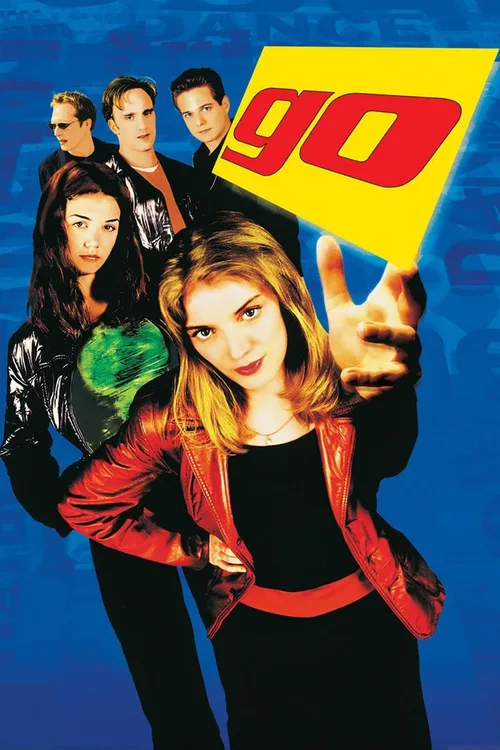
Go (1999)
A supermarket clerk decides to step in for an absent drug dealer, setting off an explosive, comedic chain of events.
 rating 8/10 User rating 798 votes 70%
 ❄ Christmas Connection
Go is set entirely on Christmas Eve in Los Angeles and Las Vegas, and the holiday isn't decorative window dressing. The frantic energy of the night, the desperation of characters trying to score money before Christmas, and several key scenes in decorated spaces all tie the story to the specific pressure of December 24th. It's a Christmas Eve movie the same way Die Hard is: the holiday shapes the stakes, even if no one's singing carols.
Where to Watch


Our Review
Go came out in April 1999, which means most people didn't see it as a Christmas movie at the time. It didn't matter. The film was set on Christmas Eve and operated with the specific, wired energy of a night when everyone is trying to get somewhere and nothing is going according to plan. Doug Liman had just made Swingers three years earlier. He was not yet the man who would direct The Bourne Identity. Go sits between those two careers, and it's the most purely enjoyable thing he's ever made.
The Structure: Three Stories, One Bad Night
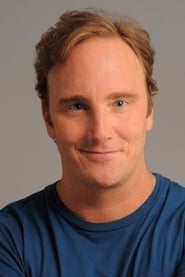
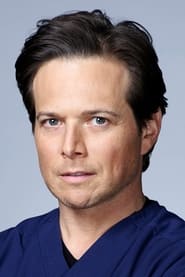
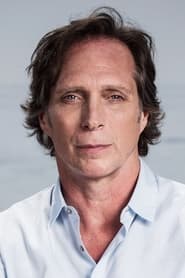
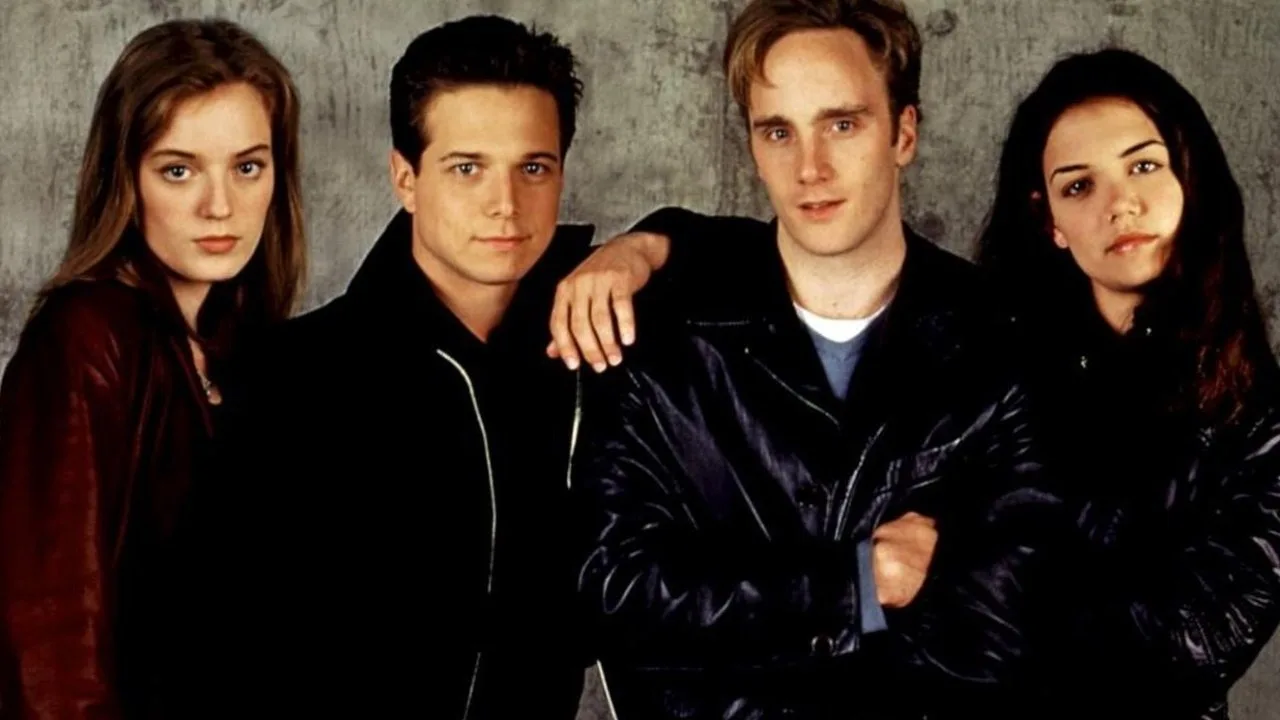
The film tells three separate stories that overlap and collide. Ronna (Sarah Polley), a grocery store cashier on the edge of eviction, decides to cover a coworker's shift and ends up selling ecstasy to two actors (Jay Mohr and Scott Wolf) who are actually working with a narcotics detective (William Fichtner, doing his best unsettling-suburban-dad routine). Meanwhile, that coworker, Simon (Desmond Askew), has taken a road trip to Las Vegas with friends and is leaving a trail of disaster across the Nevada desert. And the two actors are navigating their own bizarre Christmas Eve with the detective and his wife.
The comparison to Pulp Fiction is unavoidable, because the film practically invites it. Non-linear storytelling, intersecting criminal plots, dark comedy, mid-90s cool. John August wrote the screenplay, and it reads like a writer having the most fun he's had in years.
But Go earns the comparison more than most films that tried to do this in the late 90s. The structure is used purposefully: you see the same moments from different angles, and each recontextualization is funny or revelatory in a different way. The mechanics of the overlapping timeline actually work.
What Makes It Tick
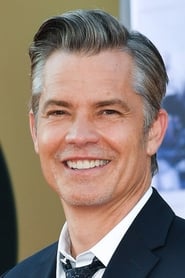
Timothy Olyphant plays Todd, the drug dealer at the center of the story, and he's the reason the film still holds up. Todd is menacing without being a cartoon villain. He's funny without being a sitcom character. Olyphant was 31 when this came out and largely unknown outside of smaller roles. Go made people pay attention.
Sarah Polley anchors the most dangerous storyline. Ronna isn't a criminal; she's broke and makes a bad decision, then makes increasingly worse decisions trying to survive the consequences. Polley plays it with zero sentimentality. There's a sequence involving a grocery store parking lot that remains one of the more genuinely tense scenes in late-90s American cinema.
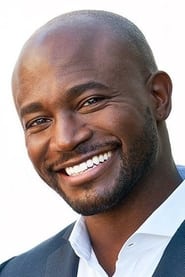
Taye Diggs appears in the Vegas segment, and the Las Vegas sequences have a looser, almost gonzo energy compared to the tighter Los Angeles storyline. They work as a structural breather before everything converges.
Christmas Eve as a Crime Setting
The film's use of Christmas Eve is deliberate in ways that don't get discussed enough. The holiday creates pressure: Ronna needs money for rent now, Simon is in Vegas because the holiday weekend gave him an opening, the police sting is happening now because that's when the opportunity presented itself. Christmas Eve in Los Angeles is also a specific atmosphere: warm air, empty parking lots, parties happening behind closed doors, a city that looks festive on the surface while everyone beneath that surface is scrambling.
The most explicitly Christmas sequence involves the detective's house, where the actors end up for Christmas Eve dinner in what becomes one of the film's strangest and most memorable extended scenes. Fichtner's character is part Amway salesman, part threat. The Christmas decorations in that house feel sinister by the end.
The Soundtrack Did Its Job
Liman and music supervisor Buck Damon assembled a soundtrack that moved between electronica, hip-hop, and alternative rock in ways that matched the film's shifting locations and moods. Fatboy Slim, BT, and No Doubt all appear. The soundtrack was released as a commercial album. It sold on its own terms, not just as a film tie-in.
This matters because the film's rhythm depends on the music as much as the editing. Go cuts fast when it needs to, but it also knows when to let a scene breathe. The Las Vegas sequences in particular use music and pacing to feel genuinely free in a way the Los Angeles material doesn't, which is exactly the point.
Why It Didn't Become Home Alone
Go made about $10 million on a $6 million budget. That's a profit, but not a cultural explosion. The R rating kept it off holiday television, the April release buried the Christmas connection, and the film resisted any obvious marketing hook. It wasn't a franchise. It didn't have a sequel. It aged into cult status the slow way, through video store rentals and later word of mouth among people who found it and couldn't believe they'd missed it.
Twenty-five years later, Go holds up precisely because it wasn't trying to be anything other than what it is: a sharp, confident, very funny crime movie that happens to take place on Christmas Eve. It didn't moralize. It didn't lesson anyone. Ronna survives her night through a combination of luck and stubbornness, and the film lets that be enough.
Fun Facts
Director Doug Liman cast Sarah Polley after seeing her in Atom Egoyan's The Sweet Hereafter (1997). Liman reportedly told her he wanted Go to be the film that would launch her into American cinema, and the role was written with her in mind after early casting discussions.
John August wrote the screenplay in the mid-1990s and drew on his own experiences living in Los Angeles. The film was one of his first major produced scripts; he later went on to write the Charlie's Angels films, Big Fish, and the Corpse Bride.
Timothy Olyphant, who plays drug dealer Todd, has said in interviews that the role of Todd was one of the defining moments of his early career. At the time of filming, he was best known for a supporting role in Scream 2 (1997).
The film's budget was approximately $6 million, and it grossed around $10.3 million at the domestic box office against that budget. It performed better in home video, where it found a second life as a rental throughout the early 2000s.
Jay Mohr and Scott Wolf, who play the two actors in the film, are actually playing characters who are soap opera actors. The meta-layer of two screen actors playing soap opera actors navigating a real criminal situation was a deliberate joke in August's script.
The Las Vegas segment was shot on location in Las Vegas itself, while the Los Angeles material was filmed across multiple L.A. neighborhoods including Hollywood and Koreatown. Liman used a relatively small crew and a lot of natural light to keep costs down and shooting flexible.
William Fichtner's character, the narcotics detective who moonlights as some kind of multilevel marketing evangelist, was written as a single unsettling figure but became a fan favorite after the film's release. Fichtner has described the role as one of his favorites from that period of his career.
Go is set entirely on Christmas Eve, but it was released on April 9, 1999, placing it among spring releases competing with The Matrix, which came out the same weekend. The coincidence did not help Go's box office performance.
Cast