
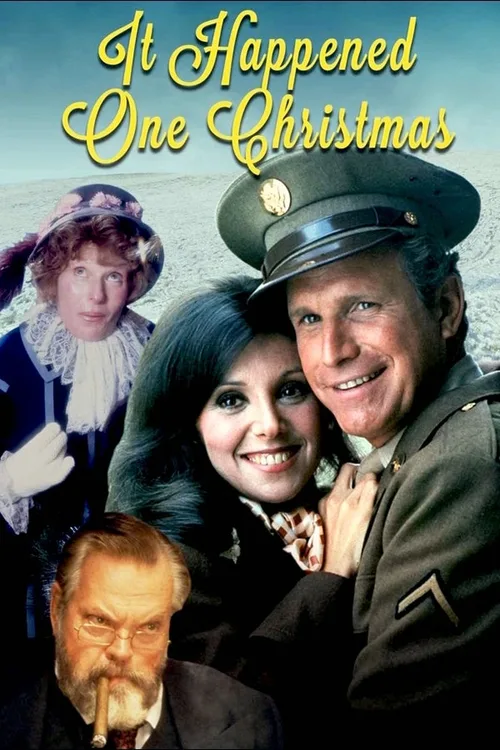
It Happened One Christmas (1977)
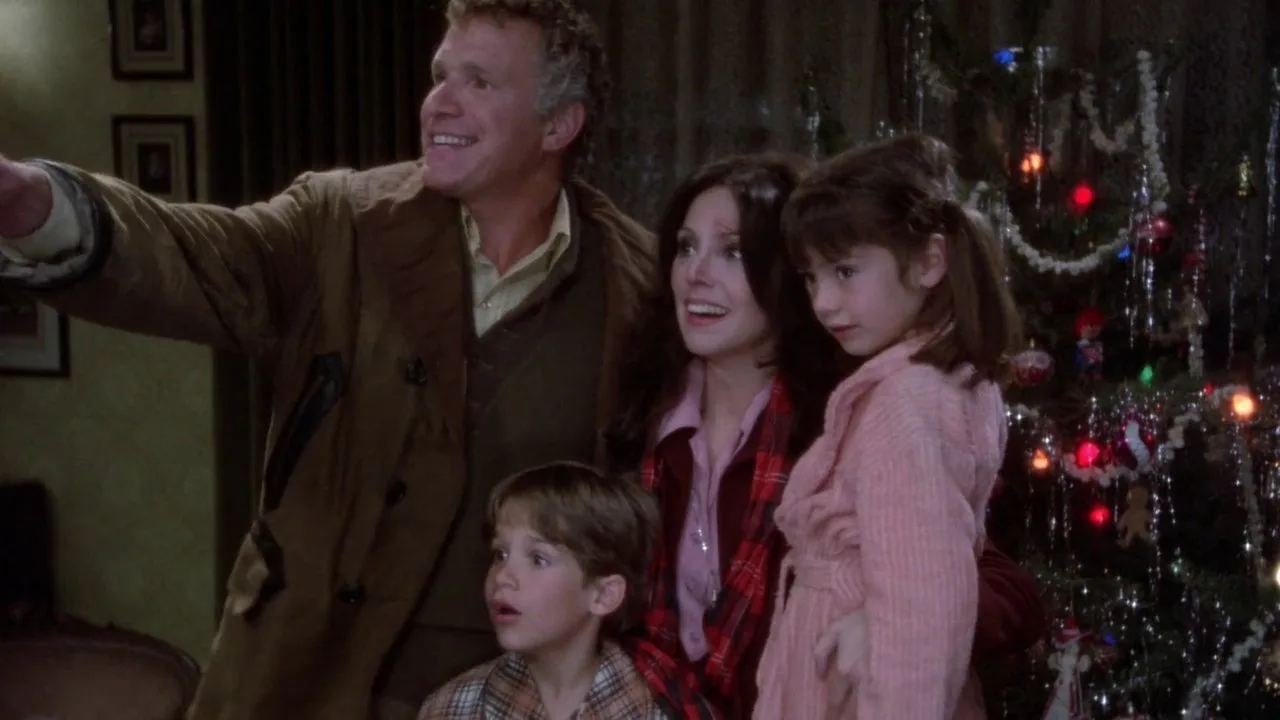
It's Christmas Eve 1944 in the small town of Bedford Falls, New York. A despondent and suicidal Mary Bailey Hatch is praying for guidance on what to do about an incident no fault of her own which threatens her name and the community standing of her longtime family business, the Bailey Building and Loan, which she took over after the passing of her father. What Mary does not know is that most in town, including her husband George Hatch and their children, are also praying for her. All the prayers are heard by Joseph, God's gatekeeper of prayers. As there are no other angels available on such a busy day, Joseph assigns Clara Oddbody, angel second class (i.e. she has yet to receive her wings), to Mary's case, which he reluctantly does as Clara has never been assigned a case on her own in the two hundred years she's been in heaven for good reason.
 rating 6/10 User rating 10 votes 44%
 ❄ Christmas Connection
It Happened One Christmas is a made-for-TV remake of It's a Wonderful Life, set on Christmas Eve in a small town and following the same story beat for beat: a despairing protagonist is shown the world as it would be without them by a guardian angel. The entire plot runs from Christmas Eve to Christmas morning, with Bedford Falls, the Christmas tree, and the traditional holiday sentiment all intact.
Where to Watch

Our Review
There is a short list of things the American public treated as untouchable in 1977. Frank Capra's It's a Wonderful Life was on that list. So when ABC aired It Happened One Christmas on December 11, 1977, a TV movie that remade the Capra film beat for beat but with Marlo Thomas in the George Bailey role, the reaction was something between bafflement and outrage. Nearly fifty years later, the film looks considerably more interesting than anyone gave it credit for at the time.
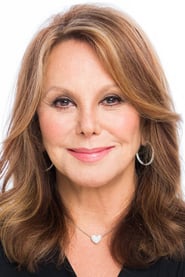
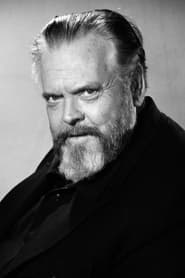
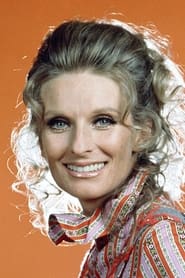
The premise is the same. Mary Bailey Hatch (Thomas) runs the Bailey Building and Loan in Bedford Falls, keeps the town from falling to the predatory banker Henry F. Potter (Orson Welles), and one Christmas Eve, standing on a bridge in despair, gets a visit from a bumbling angel named Clara (Cloris Leachman) who shows her what the town would look like if she had never been born. The film hews so closely to the 1946 original that it uses much of the same dialogue. The structure is identical. The emotional beats are identical. Even the sets echo the original.
What changes is everything the structure carries.
What the Gender Swap Actually Does to the Story
George Bailey in Capra's film gives up his dreams of travel and adventure to stay in Bedford Falls, marrying Mary and raising a family. His sacrifice is professional: he could have been an architect, seen the world, built cities. In Thomas's version, Mary Bailey Hatch faces a different kind of sacrifice. She stays in Bedford Falls, but the script has to work harder to explain why a woman in the 1940s setting would be running a savings and loan at all. The film sidesteps this by not asking the question too directly, which is either a tactful choice or an evasion depending on your patience for the genre.
What the swap does reveal, without meaning to, is how much of the original film's emotional weight rests on specifically male anxieties: the provider who can't provide, the ambitious man trapped by circumstance, the fear of being a failure in the eyes of the town. Those anxieties don't map cleanly onto a female protagonist in the same setting. Thomas plays Mary with genuine conviction, but the film keeps reaching for the same emotional chords the original hit and finding that the resonance is slightly different.
That's not a failure. That's an interesting problem the film doesn't fully solve, which is more honest than pretending it doesn't exist.
The Cast, Starting With Orson Welles
Orson Welles plays Henry F. Potter, the villain. This is Orson Welles in 1977: enormous, imperious, still capable of filling a room with his voice even when the room is a television screen. He was 62, had not directed a major Hollywood film in decades, and was at this point well into the era of his career defined by narrating documentaries and appearing in things for the paycheck. Potter is the role Henry Travers played in the original, the scheming banker who wants to swallow Bedford Falls whole. Welles plays him with a kind of resigned menace. He doesn't chew the scenery so much as he quietly digests it.
Cloris Leachman plays Clara the angel, the Clarence role. She won an Academy Award in 1971 for The Last Picture Show and understood exactly how to play lovable eccentricity without tipping into grating. Her Clara is warm and slightly scatterbrained in a way that makes her scenes with Thomas work better than they should.
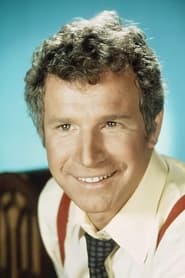
Wayne Rogers, known primarily as Trapper John from the first three seasons of M*A*S*H, plays Mary's husband George Hatch, the role Donna Reed played in the original. It's a smaller part than the original George, and Rogers plays it with quiet charm. The reversal lands differently here: where Reed's Mary is often read as the emotional anchor of the 1946 film, Rogers's George is a gentler supporting presence.
The Controversy Was Real, and Also Slightly Absurd
By 1977, It's a Wonderful Life had become a Christmas television staple precisely because its copyright had lapsed, allowing stations to broadcast it for free. The Capra film was not yet the sacred object it became after colorization debates and renewed copyright protection in the 1990s. Still, remaking it was considered audacious to the point of bad taste.
Critics at the time found the gender reversal a feminist gimmick. That reading now looks backwards. The film was produced by Marlo Thomas and her company, working with director Donald Wrye, and the decision to flip the genders was a genuine attempt to ask what the story looks like when the self-sacrificing dreamer is a woman. The fact that the film doesn't fully answer that question doesn't mean the question was wrong.
Feminist film critics in the 1970s were actually writing about how classic Hollywood films structured women as passive supporters of male ambitions. It Happened One Christmas is, awkwardly and imperfectly, trying to address that. It predates the wave of gender-swapped remakes by decades. Given how many of those later films were greeted with the exact same complaints in the 2010s, the 1977 reaction looks less like principled aesthetic objection and more like reflexive discomfort.
What Holds Up and What Doesn't
The production is visibly a TV movie. The cinematography is flat compared to Joseph Walker's work on the original, and the budget constraints show in the Bedford Falls recreation. Thomas gives a committed performance, but the script asks her to match Jimmy Stewart's famous naturalism, which is asking a lot. Stewart's performance in the 1946 film is one of the defining performances in American cinema. Thomas does not match it. She does something different with the material, which is the more defensible choice.
The film runs about 100 minutes and earns most of them. The final act, where Mary sees the world without her, still works. The mechanics of the story are sturdy enough to survive the transplant. Welles and Leachman elevate every scene they're in.
It's a curiosity, not a classic. But it's a genuine curiosity, made with real intent by people who wanted to say something specific with a familiar story. That puts it ahead of most holiday TV movies of the era, which were made with considerably less ambition.
Fun Facts
Marlo Thomas produced It Happened One Christmas through her own production company, making her one of the relatively few women to produce and star in a prime-time TV movie of that scale in the 1970s.
Orson Welles was 62 years old during filming. Despite his later reputation as a director working on personal projects with limited resources, he remained a formidable screen presence capable of commanding scenes with minimal effort.
The original It's a Wonderful Life (1946) had fallen into the public domain by the 1970s due to a copyright renewal paperwork failure, which is why TV stations aired it constantly and why remaking it did not require purchasing rights to the Capra film itself.
Cloris Leachman, who plays the angel Clara, had won the Academy Award for Best Supporting Actress in 1971 for The Last Picture Show and would go on to win eight Primetime Emmy Awards, more than any other performer in history.
Wayne Rogers left M*A*S*H after season three in 1975 in a dispute over his contract and character development. His role as George Hatch in this film was part of his post-M*A*S*H television work.
The film aired on ABC on December 11, 1977, during the same era when It's a Wonderful Life itself was being broadcast on multiple channels every Christmas season due to its public domain status.
Director Donald Wrye is perhaps better known for the 1975 miniseries Born Innocent starring Linda Blair, which generated significant controversy of its own two years before this film.
Cast