
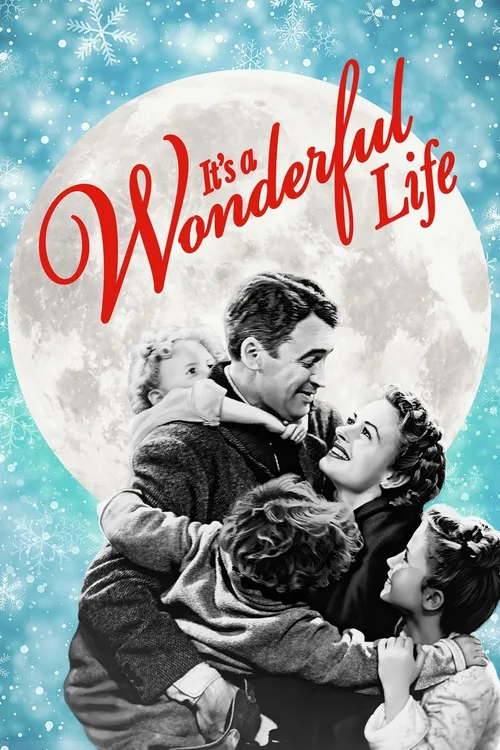
It's a wonderful laugh! It's a wonderful love!
It's a Wonderful Life (1946)
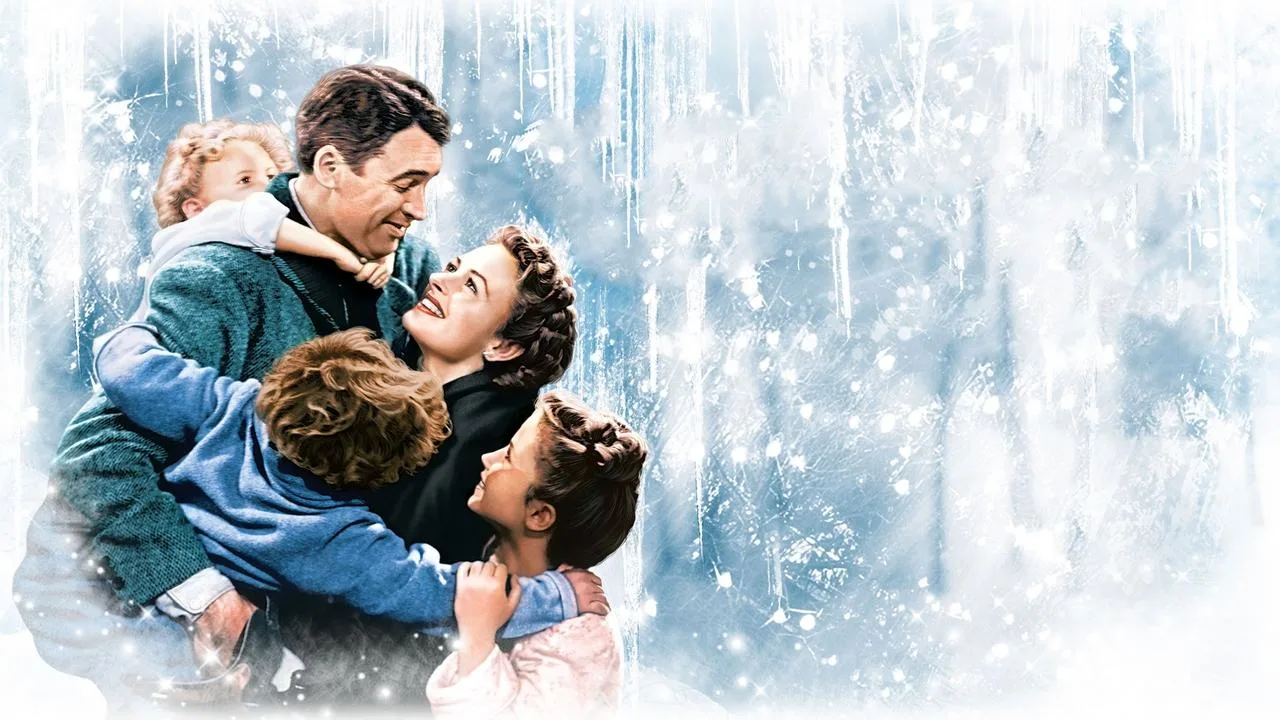
George Bailey has spent his entire life giving to the people of Bedford Falls. All that prevents rich skinflint Mr. Potter from taking over the entire town is George's modest building and loan company. But on Christmas Eve the business's $8,000 is lost and George's troubles begin.
 rating 9/10 User rating 4,794 votes 83%
 ❄ Christmas Connection
The film is set on Christmas Eve, with George Bailey's crisis and redemption unfolding on the night before Christmas. Clarence the angel earns his wings on Christmas, and the finale, where the town rallies around George, has become one of the defining images of the holiday season.
Where to Watch


Our Review
It's a Wonderful Life bombed. When Frank Capra's film opened on December 20, 1946, it earned roughly $3.3 million against a $3.18 million budget. RKO Pictures took a loss. Critics were mixed. The film received five Academy Award nominations and won none of them. By any reasonable measure, it was a commercial disappointment that should have been forgotten within a decade. Instead, a copyright clerical error turned it into the most watched Christmas movie in American history.
How a Box Office Failure Became a Christmas Classic
The story of how It's a Wonderful Life became a Christmas movie classic is more interesting than most people realize. In 1974, the film's copyright holder failed to renew the registration. The movie entered the public domain, which meant any television station could broadcast it for free. And they did. Constantly. Throughout the late 1970s and 1980s, local stations across the United States aired it dozens of times every December because it cost them nothing.
That saturation did something no marketing campaign could have achieved. An entire generation grew up with this film playing in the background of their Christmases. By the time Republic Pictures reasserted control through the underlying story rights in 1993, the movie had already embedded itself permanently in the culture. NBC now holds exclusive broadcast rights and airs it twice every December to reliably strong ratings.
The It's a Wonderful Life Cast
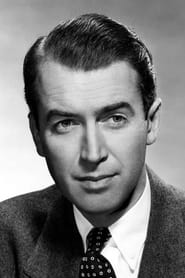
Jimmy Stewart was 38 when he played George Bailey, and he brought something to the role that the script alone doesn't fully explain. Stewart had just returned from World War II, where he flew 20 combat missions as a bomber pilot over Germany. He came back to Hollywood uncertain whether he could still act. That uncertainty bleeds through every frame. George Bailey's desperation in the film's second half isn't just good acting. It's a man who understood real fear channeling it into a fictional breakdown.
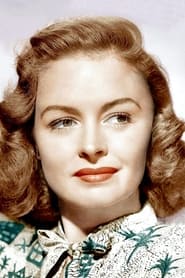
Donna Reed plays Mary Hatch Bailey with a warmth that grounds the entire film. She's not a passive wife waiting at home. She's the one who organizes the community's response on Christmas Eve, rallying the people of Bedford Falls while George sits shattered. Reed won the role over several bigger names, and it's hard to imagine anyone else bringing the same quiet intelligence to it.
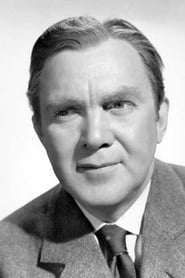
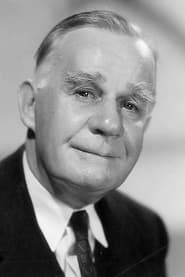
Henry Travers as Clarence Odbody, the bumbling Angel Second Class, gives a performance that could have sunk the entire picture. An elderly angel who hasn't earned his wings yet is a concept that sits dangerously close to saccharine. Travers plays it with enough sincerity to avoid the trap. Clarence isn't cute. He's genuinely confused by human misery, and that confusion makes him oddly believable.
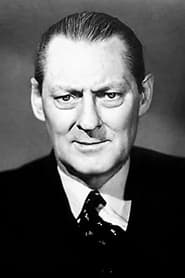
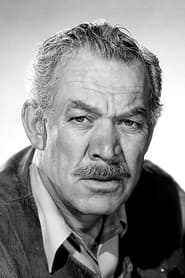
Lionel Barrymore's Mr. Potter remains one of cinema's great villains. He's a wheelchair-bound banker who controls most of Bedford Falls and wants to control the rest. Barrymore plays him without a shred of redemption, and Capra never gives Potter a comeuppance. The stolen $8,000 is never recovered. Potter never faces justice. It's one of the film's most unsettling details, and it gives the story a harder edge than its reputation suggests.
Is It's a Wonderful Life a Christmas Movie?
The question surfaces every year, usually from people who remember the dark middle section better than the bookends. George Bailey considers suicide on Christmas Eve. An angel shows him what Bedford Falls would look like if he'd never been born. The town's redemption happens on Christmas morning. So yes, it is a Christmas movie, but it's a strange one.
Most of the film's runtime has nothing to do with Christmas. It's a biography of a small-town man who sacrifices his dreams for his community, then breaks under the weight of those sacrifices. Christmas serves as the pressure point. It's the night when the crisis comes to a head and the night when the community responds. Capra understood that Christmas works best dramatically as a deadline, not as decoration.
Bedford Falls and the America That Never Existed
Bedford Falls isn't a real place. Capra built it on the RKO Ranch in Encino, California, constructing a main street that stretched four city blocks. The set included 75 stores and buildings, 20 fully grown oak trees transplanted for the production, and a system that could produce chemical snow on demand. Previous Hollywood snow had been painted cornflakes, but they were too loud. Capra's team developed a new mixture of foamite, soap, and water that could be sprayed silently.
The town functions as a very specific kind of American fantasy. It's a place where neighbors know each other, where the building and loan exists to help working families buy homes, and where one decent man's absence would cause the entire community to collapse into vice and misery. Pottersville, the alternate-reality version of Bedford Falls, is full of bars, pawn shops, and burlesque houses. Capra wasn't subtle about his moral architecture.
What the Film Actually Gets Right
The lasting power of It's a Wonderful Life isn't in its sentimentality. It's in the specificity of George Bailey's suffering. He wants to travel the world, go to college, build things. Instead, he stays in Bedford Falls, takes over his dead father's business, and watches everyone else leave. When his uncle loses $8,000 of the building and loan's money on Christmas Eve, George faces prison and ruin.
The suicide scene on the bridge remains genuinely disturbing. Stewart plays it with a rawness that the film's cozy reputation doesn't prepare you for. He's weeping, desperate, standing in the snow. It's the emotional center of the film, and everything that follows depends on it landing.
Clarence's intervention works not because it's magical but because it's logical. He doesn't give George money or fix the problem. He shows George what the world would look like without him. The evidence is specific: lives that weren't saved, homes that weren't built, a wife who doesn't recognize him. George's redemption comes from seeing his own impact clearly for the first time.
The final scene, where the people of Bedford Falls pour money onto a table to save George from ruin, still works after 80 years. Not because it's sentimental, but because Capra earned it through two hours of watching a good man get ground down. When Harry Bailey raises a toast to "the richest man in town," you believe it, because you've seen exactly what it cost him.
Fun Facts
The FBI investigated the film after its release. An analyst wrote a memo in 1947 calling it Communist propaganda because it portrayed bankers as villains and "challenged the American way of life."
Frank Capra's chemical snow formula, a mixture of foamite, soap, and water pumped at high pressure, won a Technical Achievement Award from the Academy. It replaced the standard painted cornflakes, which were so noisy that dialogue had to be dubbed over snow scenes.
Jimmy Stewart's emotional breakdown in the prayer scene at Martini's bar was so intense that the cast and crew went silent on set. Capra reportedly printed the first take, knowing he wouldn't get a better one.
Donna Reed was so inexperienced at throwing rocks that the scene where Mary breaks windows in the abandoned Granville house required a hidden marksman using a pellet gun to shatter the glass on cue.
The film lost roughly $525,000 on its initial release, contributing to the financial collapse of Liberty Films, the independent production company Capra had founded with fellow directors William Wyler and George Stevens.
Sesame Street, Saturday Night Live, and over 30 other television shows have produced parodies or homages of the film. The "every time a bell rings, an angel gets his wings" line is among the most quoted in American cinema.
The Bedford Falls set on the RKO Ranch covered four acres and was one of the largest ever built for a single film at that time. It included a working ice cream shop that served real ice cream between takes.
Cast