
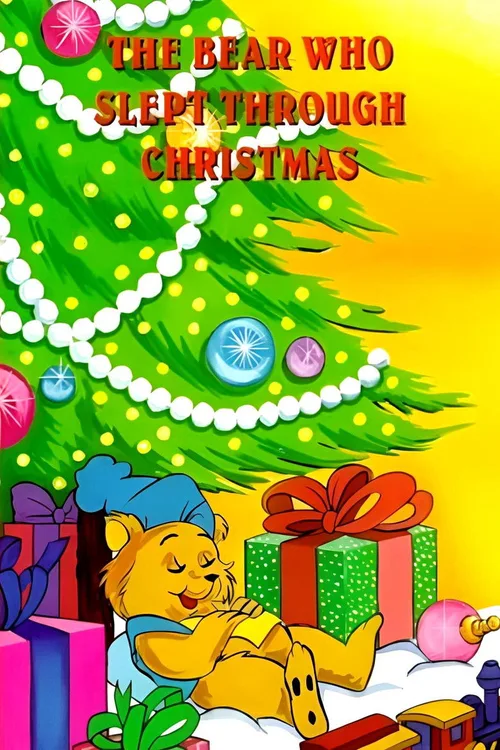
The Bear Who Slept Through Christmas (1973)
While the rest of the world is getting ready for Christmas, all the bears in Bearbank are getting ready to sleep… except for Ted E. Bear. Ted gets curious about the holiday, and sets out to learn the meaning of it from Santa Claus himself.
 rating 7/10 User rating 10 votes 61%
 ❄ Christmas Connection
The entire plot hinges on a bear refusing to hibernate so he can experience Christmas for the first time, making Christmas the literal goal and emotional core of the story. The special follows Ted E. Bear through the city streets on Christmas Eve, culminating in a discovery of what the holiday actually means beyond gifts and decorations. Christmas is not background dressing here; it is the reason the story exists.
Where to Watch


Our Review
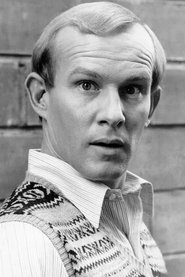
There is a whole tier of Christmas TV specials that aired once or twice in the 1970s, got shuffled into obscurity as the broadcast landscape changed, and now exist mostly in the memories of people who caught them as children and spent decades wondering if they had dreamed the whole thing. "The Bear Who Slept Through Christmas" belongs to that tier. It aired in December 1973 on NBC, was produced by DePatie-Freleng Enterprises, and starred Tom Smothers as Ted E. Bear, a bear who simply cannot accept that hibernation means missing Christmas every single year.
That premise is genuinely good. The rest of the special works hard to deserve it.
What the Special Is Actually About
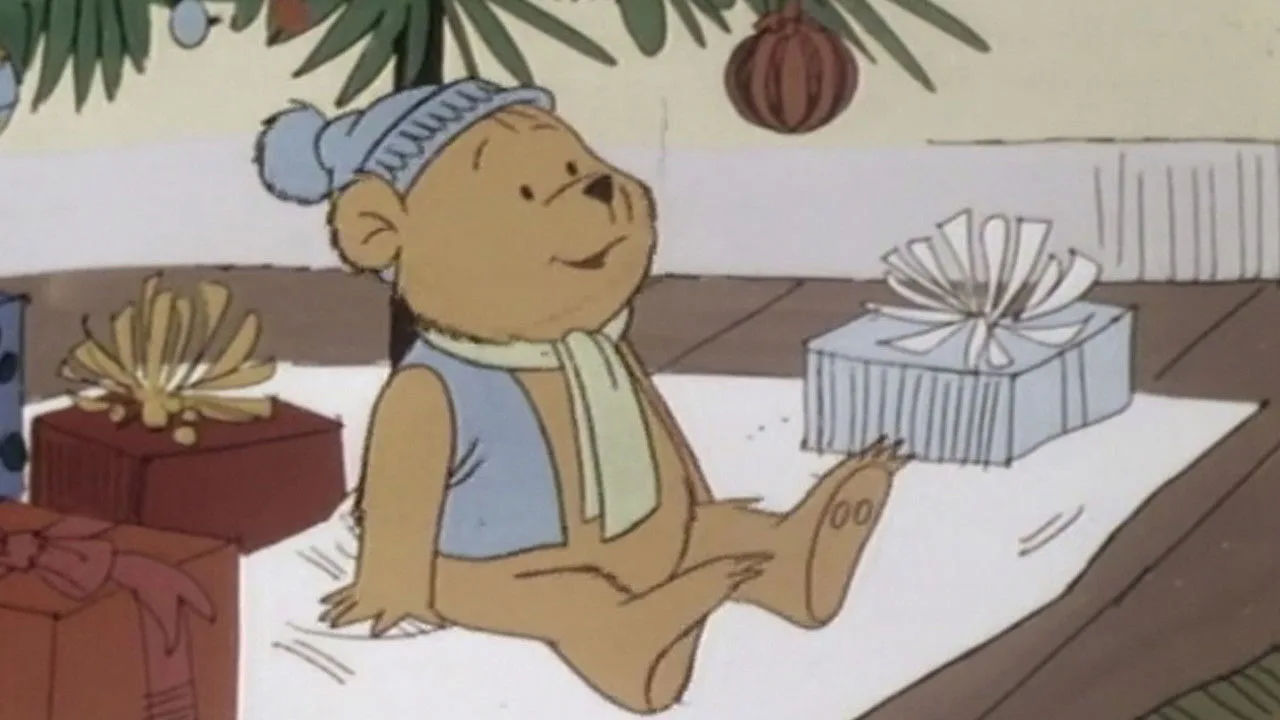
Ted E. Bear is the only bear in his woodland community who refuses to hibernate. While every other bear settles in for winter, Ted stays awake, driven by a consuming need to know what Christmas actually is. He has heard the word. He knows it happens while bears sleep. That is the entire extent of his knowledge, and it drives him to the point of running away to the city to find out for himself.
What follows is essentially a fish-out-of-water story set against Christmas Eve. Ted wanders through a city that is busy with holiday activity but largely indifferent to one bear's existential quest. He encounters a department store Santa, gets a job as a temporary Santa himself, and gradually pieces together that Christmas is less about the commercial spectacle surrounding him and more about goodwill toward others. The special does not hammer this point with a sledgehammer. It arrives at it through incident and character rather than a lecture.
The pacing is brisk for a half-hour special. DePatie-Freleng, the studio behind the original Pink Panther theatrical shorts, knew how to keep animation moving without wasting frames. The city sequences have that slightly loose, stylized look the studio favored: backgrounds that suggest rather than render, character designs built for expressiveness over anatomical correctness.
Tom Smothers and the Rest of the Cast
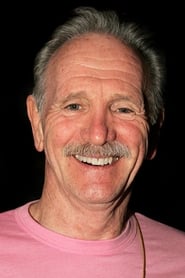
Tom Smothers was, in 1973, already a complicated figure in American entertainment. He and his brother Dick had been canceled by CBS in 1969 after "The Smothers Brothers Comedy Hour" became too politically pointed for the network's comfort. By the time he voiced Ted E. Bear, Smothers was in something of a quieter period, and the role suited him. Ted is amiable, slightly hapless, and stubbornly principled in his single-minded goal. Smothers gave him a warmth that keeps him sympathetic even when the character is being obtuse.
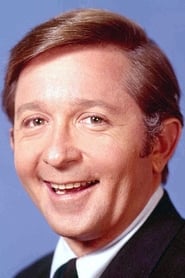
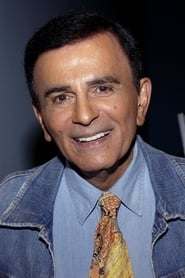
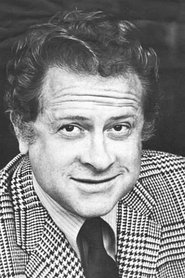
The supporting cast included Barbara Feldon, known to American audiences as Agent 99 from "Get Smart," and Arte Johnson, a regular from "Rowan and Martin's Laugh-In." Both were television presences at or near the peak of their cultural recognition in the early 1970s. For a half-hour animated holiday special, the voice cast was notably strong.
DePatie-Freleng and the Golden Age It Belonged To
David DePatie and Friz Freleng founded their studio in 1963 after Warner Bros. shut down its animation department. Freleng had directed Looney Tunes cartoons for decades. The Pink Panther theatrical shorts, which DePatie-Freleng produced starting in 1964, won an Academy Award for the first entry and established the studio's reputation for sleek, modern animation with a strong jazz sensibility.
By 1973, the studio was producing television animation regularly, including the Saturday morning Pink Panther series. The Christmas special fits into this production context: a modest but professional television production, made by people who genuinely knew how to make animation work. It is not Rankin/Bass. The technique is different, the aesthetic is more urban and contemporary, and the tone is lighter in a specific way that reflects the studio's roots in theatrical comedy shorts.
The 1970s produced a remarkable number of animated holiday specials that have since fallen through the cracks simply because no single studio or network owned them well enough to keep re-airing them. "Frosty's Winter Wonderland," "Nestor the Long-Eared Christmas Donkey," and a dozen others from the same era share this fate. They were made with real craft, aired a handful of times, and then largely disappeared from public consciousness as the holiday programming landscape consolidated around a smaller number of perennial favorites.
Is It a Great Christmas Special?
It is a good one. The premise is strong enough that it could have supported a longer runtime. At around 24 minutes, it moves quickly enough that the thematic content does not overstay its welcome, but some of the city sequences feel slightly underdeveloped. The story gets Ted to his conclusion in a way that feels earned rather than rushed, which is harder to pull off than it sounds.
The special's central observation, that someone who has never experienced Christmas might have a clearer view of what it actually requires than people buried in the commercial apparatus of it, lands without being preachy. Ted E. Bear does not go to the city and deliver a speech about consumerism. He goes, he participates, he gets briefly swept up in it, and then he finds his way to something quieter and more meaningful. The special trusts the audience to make the connection without spelling it out.
For a 1973 production aimed at children and families, that restraint is worth noting.
Fun Facts
The special was produced by DePatie-Freleng Enterprises, the same studio responsible for the original 1963 "The Pink Panther" theatrical short, which won the Academy Award for Best Animated Short Film and launched the entire Pink Panther franchise.
Tom Smothers, who voiced Ted E. Bear, had been controversially fired by CBS just four years earlier in 1969 when the network canceled "The Smothers Brothers Comedy Hour" mid-season, citing the brothers' refusal to submit episodes for pre-broadcast censorship review.
Barbara Feldon, who provided a voice in the special, became famous playing Agent 99 opposite Don Adams in "Get Smart," which ran from 1965 to 1970 on NBC and CBS and earned her two Emmy nominations.
Arte Johnson, also in the voice cast, won an Emmy Award in 1969 for Outstanding Continued Performance by an Actor in a Supporting Role in Comedy for "Rowan and Martin's Laugh-In," the sketch comedy show that aired from 1968 to 1973.
Friz Freleng, the co-founder of DePatie-Freleng, had worked as a director at Warner Bros. Animation for over three decades and directed classic Looney Tunes entries featuring Bugs Bunny, Tweety, Sylvester, and Yosemite Sam before co-founding the independent studio.
The special aired on NBC on December 17, 1973, during a period when the three major American broadcast networks (NBC, CBS, and ABC) competed intensively for holiday special viewership, producing dozens of animated and live-action Christmas programs throughout the late 1960s and 1970s.
Unlike the Rankin/Bass stop-motion specials that dominated holiday programming in the same era, DePatie-Freleng used traditional cel animation for the special, reflecting the studio's origins in theatrical short-form animation rather than television puppetry.
Cast