
Feel The Love
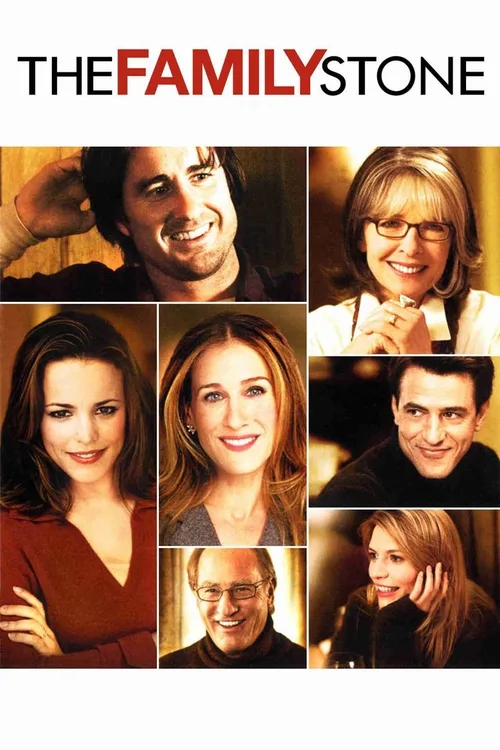
The Family Stone (2005)
An uptight, conservative businesswoman accompanies her boyfriend to his eccentric and outgoing family's annual Christmas celebration and finds that she's a fish out of water in their free-spirited way of life.
 rating 7/10 User rating 1,117 votes 63%
 ❄ Christmas Connection
Christmas serves as the pressure cooker forcing an awkward girlfriend-meets-the-family scenario into emotional territory. The holiday setting is essential to the plot's themes of belonging, acceptance, and the messy reality of going home for the holidays.
Where to Watch


Our Review
The Family Stone (2005) opens with a premise so familiar it could be a sitcom pitch: uptight woman meets boyfriend's loud, liberal family for Christmas, and nobody gets along. What writer-director Thomas Bezucha does with that setup, though, is something far less predictable. The film starts as a cringe comedy, pivots into genuine drama, and lands somewhere between a group hug and a gut punch.
The Family Stone Cast and the Art of the Ensemble
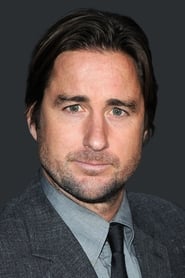
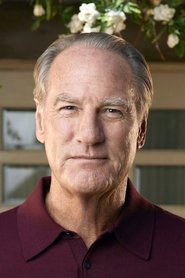
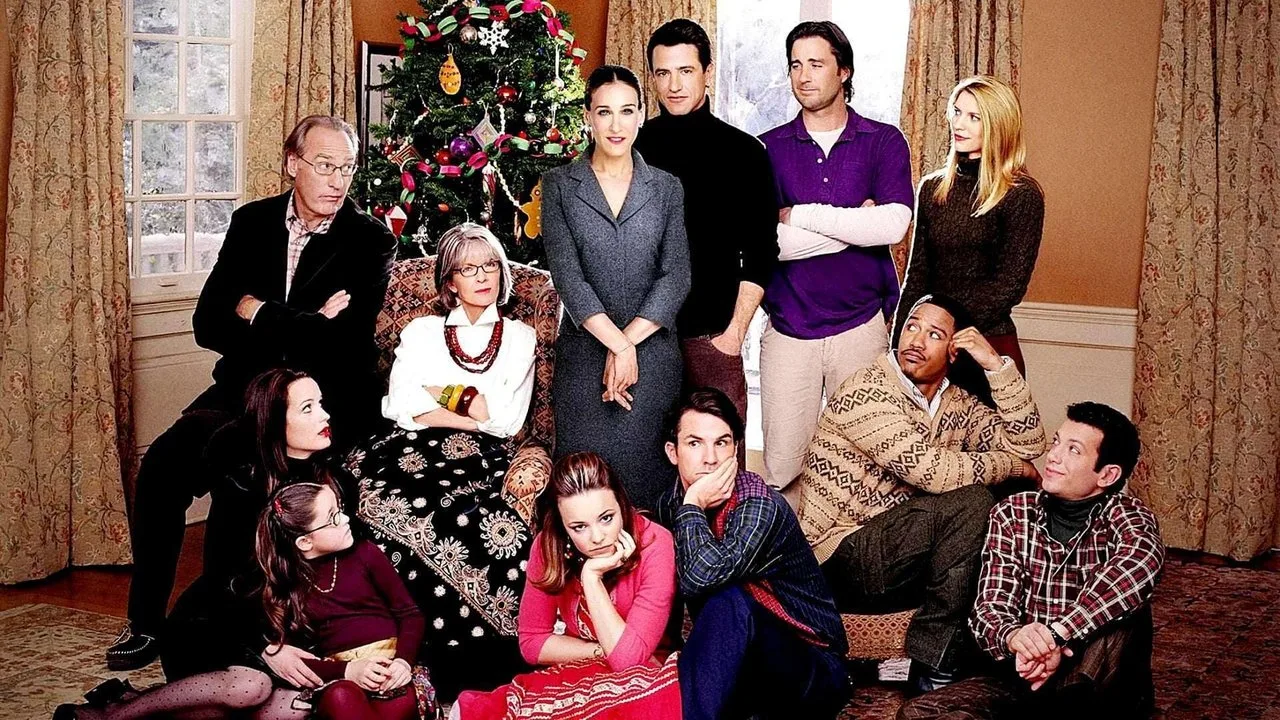
The Stone family is the kind of clan that finishes each other's sentences, has inside jokes dating back decades, and closes ranks against outsiders with the efficiency of a military unit. Diane Keaton and Craig T. Nelson anchor the family as Sybil and Kelly Stone, parents who raised five adult children and clearly enjoy them as people. Rachel McAdams plays Amy, the sharp-tongued sister who decides on sight that her brother's girlfriend is wrong for the family. Luke Wilson is the easygoing Ben, Dermot Mulroney is the tightly wound Everett, and Tyrone Giordano plays Thad, who is deaf and gay, a detail the film handles with more grace than you might expect from a mid-2000s holiday comedy.
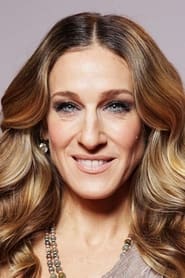
Then there's Sarah Jessica Parker as Meredith Morton.
Meredith is stiff, overly polished, and so anxious about making a good impression that she produces the opposite effect. Parker plays her without vanity. She lets Meredith be genuinely off-putting in the early scenes, clutching her pearls (literally) and pronouncing words with the careful diction of someone who learned warmth from a textbook. It's a brave performance. You spend the first act wanting to shake her and the second act feeling terrible about it.
Why The Family Stone Works as a Christmas Movie
Christmas in this film isn't decorative. The holiday is the reason everyone is in the same house, trapped together, forced to deal with things they'd normally avoid. The Stones have a tradition: Sybil's mother's ring gets passed to whoever is getting engaged. Everett wants the ring for Meredith. The family doesn't want to give it up. This one piece of jewelry becomes a proxy war for everything the Stones feel about Meredith, about Everett's choices, and about changes they're not ready to face.
The dinner scene is the film's centerpiece and its most uncomfortable sequence. Meredith, trying desperately to connect, stumbles into a conversation about nature versus nurture and sexuality. She means well. It goes catastrophically wrong. The entire table turns on her, and the scene plays like watching someone drown in slow motion. It's painful because Meredith isn't a villain. She's a person who doesn't know how to be casual, stuck in a family that values casual above everything.
Bezucha understands something important: families are not democratic. They have hierarchies, alliances, and unspoken rules that an outsider can't learn in a weekend. The Stones are warm and progressive and accepting of each other, and absolutely ruthless toward someone who doesn't fit their template.
Where the Film Stumbles
The third act partner-swap is the movie's most divisive element. Claire Danes arrives as Meredith's sister Julie and promptly becomes the Cool Girl alternative, connecting with Everett in ways Meredith never could. Meanwhile, Ben and Meredith start gravitating toward each other. The geometry of this is neat, maybe too neat. Two brothers swapping two sisters feels like a screenplay solution rather than something that would happen at an actual Christmas gathering.
The tonal shifts can also give you whiplash. The film zigzags between broad comedy and genuine heartbreak, particularly in its final act when Sybil's health becomes a factor. Bezucha is reaching for something ambitious here, trying to capture how real holidays contain laughter and grief in the same afternoon. He doesn't always land it, but the ambition counts for something.
The Verdict
The Family Stone is a better film than its mixed reviews in 2005 suggested. It earned roughly $92 million worldwide on a $18 million budget, and its reputation has grown steadily as a holiday rewatch favorite. The reason is simple: it gets the texture of family right. Not the Hallmark version of family, but the real one, where people who love each other can still be unkind, where being right about someone doesn't make you generous, and where Christmas morning can smooth over things that dinner the night before nearly destroyed.
The final scene finds the family one year later, rearranged but intact, opening presents in the same living room. It's a small moment. Sybil's chair is empty. Nobody mentions it. That restraint says more than any speech could.
Fun Facts
Thomas Bezucha wrote the screenplay based partly on his own experience bringing a partner home to a large New England family for the holidays.
The film was shot primarily in a real house in Madison, New Jersey, rather than on a soundstage. The cramped interiors helped the actors feel genuinely crowded together.
Tyrone Giordano, who plays Thad, is deaf in real life. The production hired ASL consultants to ensure the sign language scenes were authentic.
Rachel McAdams filmed The Family Stone the same year she appeared in Red Eye and Wedding Crashers, making 2005 one of the most varied years of her career.
Diane Keaton reportedly bonded so closely with the cast during filming that she hosted dinners at her rental house throughout the shoot, mirroring the family dynamic on screen.
The Stone family home was decorated by production designer Jane Ann Stewart, who studied 30 years' worth of family Christmas photos to create layers of mismatched ornaments and decorations that looked genuinely accumulated over decades.
The film's original cut was reportedly 30 minutes longer, with extended scenes exploring each sibling's storyline. Bezucha trimmed it to keep the focus on the central Meredith conflict.
Cast