
The true Christmas spirit
Christmas with a Capital C (2011)
An attorney returns to his small home town in Alaska and quickly rocks the boat by getting an injunction against the nativity display tradition and attacking Christmas.
 rating 4/10 User rating 19 votes 49%
 ❄ Christmas Connection
The entire film takes place during the Christmas season in a small Alaskan town and revolves around a public nativity scene, "Merry Christmas" versus "Happy Holidays" signage, and a town-wide Christmas celebration campaign. Christmas is not just a backdrop here; it is the explicit subject of every argument, subplot, and scene. The movie exists specifically to make a case for Christmas as a religious holiday deserving public celebration.
Where to Watch

Our Review
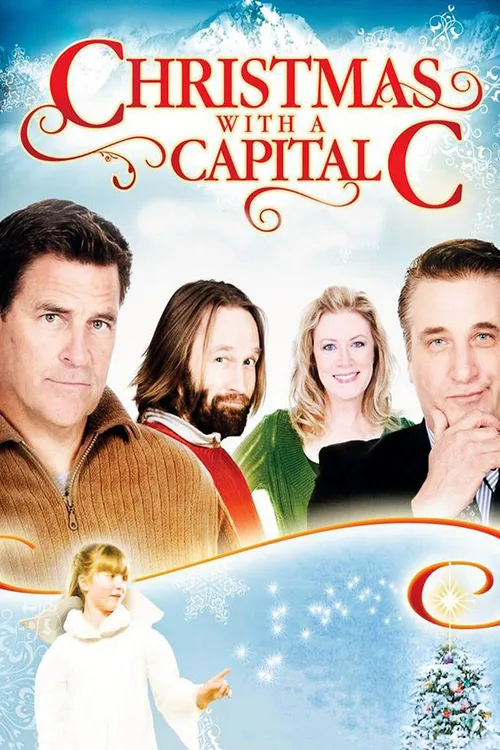
There is a specific genre of American Christian film that arrived in the 2000s alongside the cable news "War on Christmas" debate, and Christmas with a Capital C may be its purest specimen. The film was produced by Pureflix Entertainment, based on a song by the Christian children's band Go Fish, and stars Ted McGinley as a small-town Alaskan mayor defending his town's nativity scene against a returning atheist rival. That sentence alone tells you almost everything you need to know.
What it does not tell you is whether the film is worth watching. The answer is complicated.
What Is Christmas with a Capital C About?
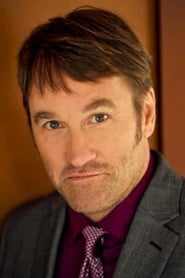
The town of Trapper Falls, Alaska, loves Christmas. Mayor Dan Reed (Ted McGinley) loves it too. He and his brother Greg (Brad Stine, a Christian stand-up comedian who helped inspire the Go Fish song that inspired the film) run an adventure tour company and spend their free time hanging lights and organizing civic Christmas cheer. Life is good.
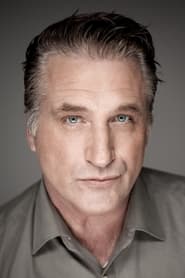
Then Mitch Bright (Daniel Baldwin) rolls back into town. Mitch left Trapper Falls twenty years earlier, apparently nursing a grudge against Dan from high school. He is now an atheist lawyer, and he almost immediately files a complaint about the nativity scene on public property, citing the Establishment Clause of the First Amendment. The town erupts. Dan's wife Kristen (Nancy Stafford) and daughter Makayla launch a "Christmas with a Capital C" campaign to rally the community. Mitch enters the mayoral race.
The legal conflict is real. Courts in the United States have issued contradictory rulings on nativity scenes on government property for decades, with outcomes depending on context, placement, and whether other symbols are displayed alongside them. The film is not interested in that complexity.
The Film's Central Problem
To tell a story about competing worldviews honestly, you need to make both sides recognizable to people who hold them. Christmas with a Capital C cannot manage this. Mitch Bright is written not as someone with a principled objection to government-sponsored religious displays, but as a bitter, petty man who appears to be targeting Trapper Falls primarily because Dan once beat him out for a girl in high school. His atheism is an extension of his grudge, not a coherent position.
This is a structural choice, not an acting problem. Daniel Baldwin is actually the most watchable performer in the film, bringing genuine menace and a few genuinely funny moments to a role that the script never allows to be more than a cartoon. When Mitch sneers at Christmas, you believe Baldwin's disdain. You just don't believe his character's motivation.
The effect is that the film validates a specific anxiety without engaging with it. Viewers who feel that public Christmas traditions are under threat will find their concerns affirmed. Viewers who don't share that anxiety will find the film's premise unconvincing, because the threat it depicts is embodied in a single vindictive character rather than in any recognizable social reality.
The Cast and What They Do with the Material
Ted McGinley has spent much of his career being unfairly blamed for shows he joined after they had already peaked. He was labeled the "patron saint of jumping the shark" after joining Happy Days in Season 8, three seasons after the actual infamous scene had aired. The label stuck and cost him work, as he described publicly in 2024. McGinley is a competent lead with natural charm, and as Mayor Dan he is likable in the way that the script requires without being particularly interesting.
Nancy Stafford as Kristen Reed has the warmth and steadiness to anchor the domestic scenes. Francesca Derosa as daughter Makayla gets the film's most earnest subplot, organizing the community Christmas campaign with a sincerity that lands better than it has any right to.
Brad Stine, who plays Greg, functions partly as comic relief and partly as the film's theological voice. His stand-up background gives him timing, and the moments where he gets to riff rather than deliver scripted dialogue work better than the scripted dialogue.
Alaska as a Setting
The film was shot in Seward, Alaska, and this is one of its genuine strengths. Seward sits on Resurrection Bay on the Kenai Peninsula, and the snow-covered town looks like a place that would take its Christmas seriously. The location grounds the film in something real when the script can feel artificial. A small coastal Alaska town defending communal Christmas traditions against outside disruption is at least geographically plausible in a way that a generic suburb would not be.
The setting also gives the film a visual texture that low-budget Christian filmmaking often lacks. Exterior shots of the town and surrounding landscape have actual character.
The Go Fish Origin Story
The song "Christmas with a Capital C" by Go Fish was itself written in response to a routine by Brad Stine, a conservative Christian comedian who mocked people for saying "Happy Holidays" instead of "Merry Christmas." Go Fish heard Stine's material, wrote a song about the same theme, and then Stine ended up appearing in the film adaptation of that song. The whole chain of events has a distinctly American evangelical cultural ecosystem quality to it: comedian inspires song, song inspires movie, comedian appears in movie.
The Gospel Music Channel aired the film multiple times between December 5 and December 25, 2010. Pureflix released the DVD in November 2011. The film won the Faith and Freedom Award at the 2011 Movieguide Awards, which is exactly the award you would expect it to win.
Is It Worth Watching?
The film's trailer, released before the movie aired, was mocked on blogs and news sites across the English-speaking internet, including on the British panel show 8 Out of 10 Cats. The Portland Mercury called it anti-atheist. Both the mockery and the award say something true about the film: it was made for a specific audience, it reached that audience, and it did not particularly try to reach anyone else.
If you are the target audience, the film delivers what it promises. The town looks good in snow. The family dynamics are functional. Daniel Baldwin is more entertaining than the role deserves. The nativity scene is defended. Christmas wins.
If you are not the target audience, there are better Christmas movies in every direction. But if you want to understand what American Christian culture-war Christmas filmmaking looked like circa 2010, this is the primary source document.
Fun Facts
The film was based on a song of the same name by the Christian children's band Go Fish, which was itself inspired by stand-up material from comedian Brad Stine, who was then cast as a supporting character in the film adaptation of the song his routine had inspired.
The fictional Alaskan town of Trapper Falls was filmed entirely in Seward, Alaska, a real coastal town of approximately 2,700 residents on the Kenai Peninsula, known for the Iditarod Trail Sled Dog Race's historic start.
The film was broadcast multiple times on the Gospel Music Channel between December 5 and December 25, 2010, before its DVD release the following year through Pureflix Entertainment.
Daniel Baldwin, who plays the atheist antagonist Mitch Bright, is the second-oldest of the four Baldwin brothers (after Alec), and previously starred in the NBC crime drama Homicide: Life on the Street from 1993 to 1998.
Ted McGinley, who plays Mayor Dan Reed, was publicly labeled the "patron saint of jumping the shark" by the website JumptheShark.com, a reputation that followed him for years despite the fact that he joined Happy Days three seasons after the actual shark-jumping episode had already aired.
The film won the Faith and Freedom Award at the 2011 Movieguide Awards and was also nominated for the Epiphany Prize and two Grace Awards for acting.
The film's trailer drew international mockery before the film even aired, including mention on the British panel show 8 Out of 10 Cats, which helped give it a satirical reputation well beyond its intended evangelical Christian audience.
The legal conflict at the film's center, a challenge to a nativity scene on public property under the Establishment Clause of the First Amendment, reflects a real ongoing area of U.S. constitutional law that courts have ruled on inconsistently for decades, though the film depicts it with considerably less ambiguity than the actual case law.
Cast