
WHAT A HOLIDAY!
Holiday Inn (1942)
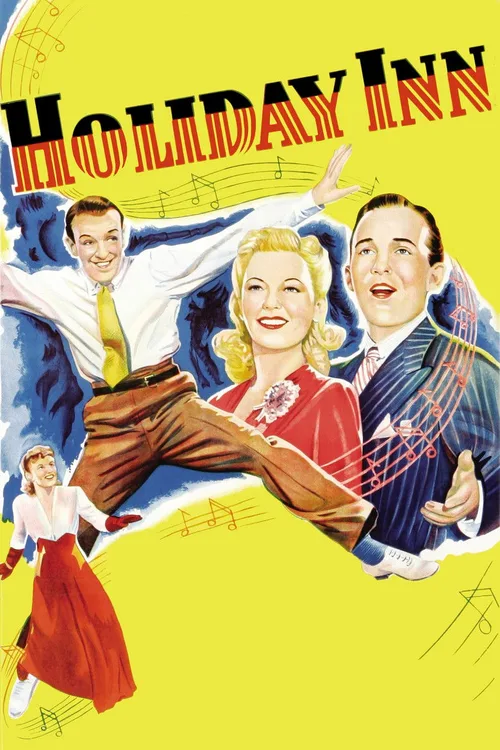
Lovely Linda Mason has crooner Jim Hardy head over heels, but suave stepper Ted Hanover wants her for his new dance partner after fickle Lila Dixon gives him the brush. Jim's supper club, Holiday Inn, is the setting for the chase by Hanover and his manager.
 rating 8/10 User rating 218 votes 70%
 ❄ Christmas Connection
Holiday Inn covers all major American holidays, not just Christmas. But it gave the world "White Christmas," the best-selling single of all time, and its Christmas Eve sequence remains one of the most iconic holiday scenes in cinema history.
Where to Watch


Our Review
Before "White Christmas" was a 1954 Technicolor spectacle, it was a single song in a black-and-white musical about a guy who couldn't keep a girlfriend. Holiday Inn, released in 1942, is the film that introduced Irving Berlin's most famous composition to the world. It's also a movie where Bing Crosby and Fred Astaire compete for the same woman with the casual intensity of two cats circling a fish. The Christmas film angle is almost incidental to the plot, which is what makes it so interesting.
The Plot Behind the Holiday Inn Christmas Movie
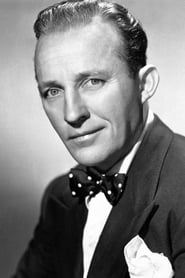
Jim Hardy (Crosby) is tired of the showbiz grind. His solution: buy a Connecticut farmhouse and convert it into an inn that only opens on public holidays. Fifteen shows a year, maximum effort. It's the 1940s version of quiet quitting, and honestly, the man was ahead of his time.
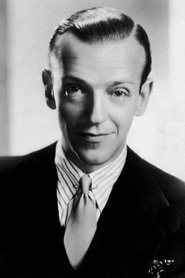
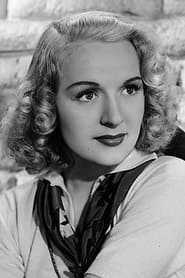
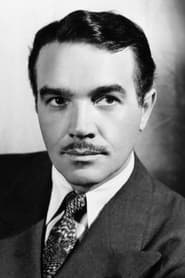
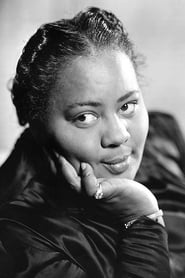
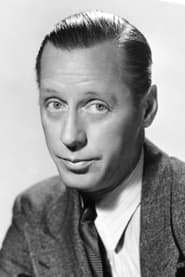
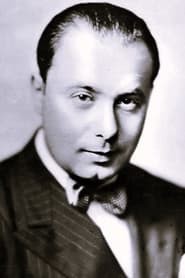
His former partner Ted Hanover (Astaire) keeps showing up to steal Jim's romantic interests. First it's Lila Dixon, then Linda Mason (Marjorie Reynolds), a singer Jim falls for while running his holiday-themed venue. Ted, perpetually restless and perpetually charming, swoops in whenever Jim gets comfortable. The film cycles through holidays from New Year's to Christmas, with each one getting its own musical number.
The structure is episodic by design. Berlin wrote songs for each holiday, and director Mark Sandrich built set pieces around them. Some land beautifully. Others feel like contract obligations. The Christmas sequences sit at the emotional center of the film, and that's no accident.
Holiday Inn and White Christmas: How a Song Became Bigger Than the Movie
Irving Berlin reportedly thought "White Christmas" was the best song he had ever written. He wasn't wrong. When Crosby first recorded it in May 1942, neither he nor Berlin could have predicted that the single would sell over 50 million copies worldwide, making it the best-selling physical single in recorded music history.
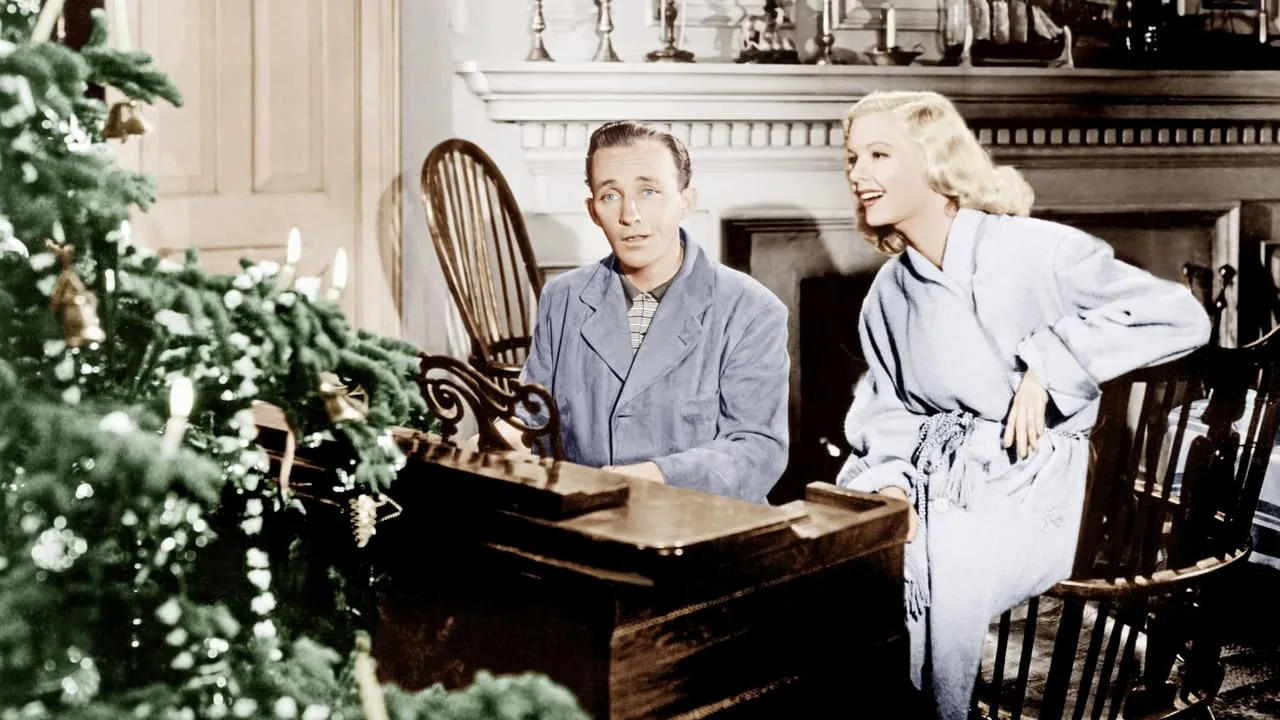
In the film, Crosby sings it on Christmas Eve to Linda, sitting at a piano in a dimly lit room. The scene is understated. No orchestra swelling to a crescendo. No snow machine working overtime. Just Crosby's baritone and a quiet room. The restraint is what makes it work.
The song hit a nerve in 1942 for reasons Berlin hadn't planned. American troops were spending their first Christmas overseas after Pearl Harbor. "White Christmas" became a song about homesickness, about a world that felt safe and familiar. Soldiers requested it so frequently on Armed Forces Radio that the original master recording literally wore out and had to be re-recorded.
The gap between Holiday Inn and the 1954 film White Christmas confuses people to this day. White Christmas is not a sequel or a remake. Paramount wanted to capitalize on the song's success and built a new movie around it, keeping Crosby but swapping Astaire for Danny Kaye. Holiday Inn vs White Christmas debates still pop up every December, and the answer is simple: Holiday Inn is the scrappier, stranger film. White Christmas is the polished crowd-pleaser.
Fred Astaire's Firecracker Dance and Other Highlights
Astaire's Fourth of July number, set to "Let's Say It with Firecrackers," is the film's most jaw-dropping sequence. He dances with firecrackers literally exploding around his feet. No camera tricks. The man just danced around small explosives and made it look elegant.
Crosby, for his part, carries the emotional weight. He doesn't try to match Astaire's physicality and doesn't need to. His performance of "Be Careful, It's My Heart" on Valentine's Day and the Christmas Eve "White Christmas" scene showcase a performer who understood stillness better than almost anyone in Hollywood.
Marjorie Reynolds deserves more credit than she typically gets. Her singing voice was dubbed by Martha Mears, which was standard practice, but her screen presence holds its own against two of the biggest stars of the era. She's not just a prize to be won. She makes choices, walks away from Jim when she feels manipulated, and comes back on her own terms.
The Scene That Hasn't Aged Well
Holiday Inn contains a Lincoln's Birthday number performed in blackface. There's no way to soften this. It was already a relic of minstrelsy in 1942, and it's painful to watch now. Most modern broadcasts and streaming versions either cut the sequence or add contextual disclaimers. If you're watching for the first time, be aware it's there.
This doesn't erase the film's merits, but it does complicate them. You can admire Crosby's vocal performance and Berlin's songwriting while acknowledging that the film reflects casual racism that was normalized in its era. Both things are true at once.
White Christmas Holiday Inn Lyrics: What Berlin Actually Wrote
The version of "White Christmas" most people know is actually incomplete. Berlin wrote an introductory verse set in sunny Beverly Hills: "The sun is shining, the grass is green, the orange and palm trees sway." The narrator is longing for a snowy Christmas back east. Crosby sang this verse in the film but dropped it from most subsequent recordings, and it's largely been forgotten.
That lost verse changes the song's meaning. It's not just nostalgia for Christmas. It's nostalgia for a specific place, a specific kind of winter. Berlin, a Jewish immigrant from Siberia who grew up on the Lower East Side, was writing about an idealized America he had adopted as his own. The lyrics are deceptively simple, which is the hardest thing to pull off in songwriting.
Fun Facts
Bing Crosby's original 1942 recording of "White Christmas" was played so often that the master disc wore out. His 1947 re-recording is the version most people have actually heard.
Fred Astaire reportedly hated the "drunk" dance scene so much that he initially refused to perform it, considering it undignified. Director Mark Sandrich convinced him it would be comedic gold.
The Holiday Inn hotel chain, founded in 1952 by Kemmons Wilson, was directly named after this film. Wilson saw the movie and liked the name's cozy associations.
Irving Berlin's contract gave him an unusual level of control. He chose which songs went in the film and could veto any changes to lyrics or arrangements.
"White Christmas" won the Academy Award for Best Original Song at the 1943 ceremony, the only Oscar the film received despite four nominations.
Marjorie Reynolds' singing voice was dubbed by Martha Mears throughout the entire film, a fact that wasn't publicly disclosed at the time of release.
The film was shot in just 72 days, a brisk pace even by 1940s studio standards, partly because Astaire and Crosby were both in high demand for other projects.
Cast