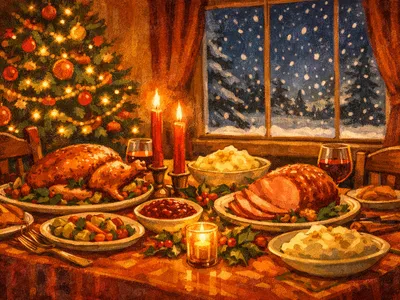

Christmas in Germany
Germany is where many of the world's most iconic Christmas traditions were born. The country's Advent season transforms town squares into glowing markets, fills homes with the scent of Lebkuchen and Stollen, and splits gift-giving duties between the Christkind in the south and the Weihnachtsmann in the north. From the first Advent candle in late November to Epiphany on January 6, German Christmas is a six-week affair that takes the season seriously.
Germany did not invent Christmas, but it is responsible for a remarkable share of the traditions the rest of the world now considers essential. The Christmas tree, the Advent wreath, the gingerbread house, the nutcracker, and the Christmas market all trace their origins to German-speaking lands. Understanding how Germans celebrate Christmas means understanding where much of the modern holiday comes from.
How Germany Shaped Christmas Traditions
The decorated Christmas tree appeared in Strasbourg (then part of the Holy Roman Empire) in the early 1600s. Guild records from 1605 describe fir trees adorned with paper roses, apples, wafers, and sweets. The tradition spread slowly through German territories before Queen Victoria's German husband, Prince Albert, popularized it in England in the 1840s. From there, it conquered the world.
The Adventskranz followed a different path. Johann Hinrich Wichern, a Protestant theologian running a children's home in Hamburg, built the first one in 1839. His original version held 24 candles, one for each day of Advent. The simplified four-candle version we know today became standard by the early 20th century.
The Advent Season
Advent in Germany is not a preamble. It is the main event. The four weeks before Christmas are structured around rituals that build anticipation. Children open Adventskalender doors each morning. Families light a new candle on the wreath each Sunday. And from late November onward, more than 2,500 Christmas markets open across the country.
The markets are the social heart of the German Advent. Colleagues meet after work for Gluehwein. Families browse handcrafted ornaments on weekends. The scent of roasted almonds, cinnamon, and Bratwurst hangs in the cold air. Nuremberg's Christkindlesmarkt alone draws over two million visitors each year.
Heiligabend: The Heart of German Christmas
December 24 is when German Christmas happens. While December 25 and 26 are public holidays spent with extended family, Heiligabend belongs to the immediate household. Shops close by early afternoon. Streets go quiet.
The evening follows a familiar rhythm. Many families attend a Christvesper, a short afternoon or evening church service. At home, the tree is revealed to the children, often decorated behind closed doors by the parents. Then comes the Bescherung, the gift exchange, typically after dinner.
Dinner itself varies by region. In northern and central Germany, Kartoffelsalat mit Wuerstchen (potato salad with sausages) is the most popular choice, deliberately simple so that the cook can enjoy the evening. In the south and in wealthier households, roast goose with red cabbage and dumplings is the centerpiece.
Food and Drink
German Christmas baking is a serious undertaking. Stollen, the dense fruit bread dusted in powdered sugar, is a Dresden specialty dating to the 15th century. Lebkuchen, the spiced gingerbread of Nuremberg, has been produced there since at least the 13th century, when the city's location on major trade routes gave bakers access to exotic spices.
Vanillekipferl, Zimtsterne (cinnamon stars), and Spritzgebaeck fill cookie tins weeks before Christmas. Gluehwein, mulled red wine with cinnamon, cloves, and citrus, is consumed in vast quantities at markets and home gatherings alike. Children drink Kinderpunsch, the non-alcoholic version.
North vs. South: Regional Differences
The most visible divide is the gift-bringer. In Catholic Bavaria, Baden-Wuerttemberg, and the Rhineland, the Christkind delivers presents on Christmas Eve. In Protestant northern Germany, the Weihnachtsmann, a red-suited figure modeled on a mix of St. Nicholas and the American Santa Claus, does the job. The line between the two has blurred in recent decades, but the distinction still matters to many families.
The Erzgebirge region in Saxony is the heartland of German Christmas craftsmanship. Nutcrackers, Schwibboegen, Raeuchermaennchen (incense smokers), and Weihnachtspyramiden have been carved there since the 17th century. The mining community's traditions of light, visible in the candle arches placed in windows, reflect a longing for brightness during dark winter months underground.
Frequently Asked Questions
When do Germans celebrate Christmas?
The main celebration is Heiligabend (Christmas Eve) on December 24. Gift-giving, the festive dinner, and church services all happen on this evening. December 25 and 26 are both public holidays, usually spent with extended family.
What do Germans eat on Christmas?
The most popular Christmas Eve meal is Kartoffelsalat mit Wuerstchen (potato salad with sausages), especially in northern and central Germany. Roast goose with red cabbage and Kloesse (dumplings) is common on December 25. Stollen, Lebkuchen, and Plaetzchen (cookies) are baked throughout Advent.
Who brings gifts in Germany?
It depends on the region. The Christkind (Christ Child) brings gifts in Catholic southern Germany, while the Weihnachtsmann (Christmas Man) is the gift-bringer in the Protestant north. Both deliver presents on the evening of December 24.
What is the most famous German Christmas market?
The Nuremberg Christkindlesmarkt is the most internationally famous, attracting over two million visitors each year. However, the Dresden Striezelmarkt, first documented in 1434, is the oldest. Cologne, Stuttgart, and Munich also host major markets.
Where did the Christmas tree tradition start?
The decorated Christmas tree originated in German-speaking regions in the early 1600s, with Strasbourg guild records from 1605 describing decorated fir trees. The tradition spread across Europe in the 18th and 19th centuries and reached the United States through German immigrants.
Traditions & Customs
Adventskranz (Advent Wreath)
The Advent wreath tradition began in Hamburg in 1839, when theologian Johann Hinrich Wichern created a wooden ring with candles to help children count the days until Christmas. The modern version uses four candles on an evergreen wreath, with one lit each Sunday of Advent.
Weihnachtsmaerkte (Christmas Markets)
Germany has over 2,500 Christmas markets each year, more than any other country. They date back to the late Middle Ages, with Dresden's Striezelmarkt documented since 1434. Stalls sell handcrafted ornaments, roasted almonds, Bratwurst, and Gluehwein (mulled wine).
Nikolaustag (St. Nicholas Day)
On the evening of December 5, children leave a boot outside their door. By morning on December 6, St. Nicholas has filled it with chocolates, oranges, and small gifts. Naughty children traditionally receive a bundle of twigs from his companion, Knecht Ruprecht.
Christkind and Weihnachtsmann
Germany is split on who brings Christmas gifts. In the predominantly Catholic south, the Christkind (Christ Child), depicted as a golden-haired angel, delivers presents. In the Protestant north, the Weihnachtsmann, a figure resembling Santa Claus, takes the role. Martin Luther promoted the Christkind tradition to shift focus away from Catholic saints.
Weihnachtsbaum (Christmas Tree)
The decorated Christmas tree tradition originated in 16th-century Germany, likely in Strasbourg (then part of the Holy Roman Empire). Early trees were hung with apples, nuts, and paper roses. Martin Luther is credited, possibly apocryphally, with adding candles after being inspired by starlight through evergreen branches.
Stollen Baking
Dresden's Christstollen has been baked since the 15th century. The bread-like cake with dried fruit, nuts, and marzipan is dusted in powdered sugar to resemble the swaddled infant Jesus. Dresden holds an annual Stollenfest on the second Saturday of Advent, parading a giant Stollen through the city.
Heiligabend (Christmas Eve)
Christmas Eve is the main event in Germany. Families gather for dinner, often Kartoffelsalat with Wuerstchen (potato salad and sausages) or roast goose, then exchange gifts under the tree. Many attend a Christvesper (evening church service) before or after the meal.
Christmas Markets
Nuremberg Christkindlesmarkt
Germany's most famous Christmas market draws over 2 million visitors annually. The market has been held on the Hauptmarkt square since the mid-16th century. It opens with the Christkind's Prologue, spoken from the balcony of the Frauenkirche.
Dresden Striezelmarkt
The oldest documented Christmas market in Germany, first mentioned in 1434. Named after Striezel, an old word for Stollen. The centerpiece is a 14-meter-tall Christmas pyramid and the annual Stollenfest.
Cologne Christmas Markets
Cologne hosts seven distinct Christmas markets spread across the city, with the most famous set against the backdrop of the Cologne Cathedral. The Cathedral market alone has over 150 stalls.
Stuttgart Christmas Market
One of the largest and oldest Christmas markets in Europe, with over 280 stalls. Known for its elaborate rooftop decorations, where stallholders compete for the best design each year.
Key Dates
Erster Advent
Marks the start of the Christmas season, four Sundays before December 25. Families light the first candle on the Adventskranz and Christmas markets begin opening.
Nikolaustag
St. Nicholas Day. Children find chocolates and small gifts in their boots, left out the night before. In some regions, Nikolaus visits homes in person, accompanied by Knecht Ruprecht.
Heiligabend
Christmas Eve is the climax of the German Christmas. Families exchange gifts (Bescherung) in the evening, attend church services, and share a festive dinner. Most shops close by early afternoon.
Erster Weihnachtstag
First Christmas Day is a public holiday. Families typically gather for a large midday meal, often roast goose or duck with red cabbage and dumplings.
Zweiter Weihnachtstag
Second Christmas Day, also a public holiday. Often spent visiting extended family or friends. Many families serve cold cuts and leftovers from the day before.
Epiphany (Heilige Drei Koenige)
A public holiday in Bavaria, Baden-Wuerttemberg, and Saxony-Anhalt. Sternsinger (star singers), children dressed as the Three Kings, go door-to-door singing carols and collecting donations for charity.
Christmas Carols
O Christmas Tree
O TannenbaumThe melody dates to the 16th century, but the familiar lyrics were written by Ernst Anschuetz in 1824. The song celebrates the evergreen fir as a symbol of faithfulness.
Silent Night
Stille NachtWritten in 1818 by Franz Xaver Gruber (music) and Joseph Mohr (lyrics) in Oberndorf bei Salzburg, then part of the Austrian Empire. It has been translated into over 300 languages, making it the most recorded Christmas carol in history.
O How Joyfully
O du froehlicheWritten by Johannes Daniel Falk in 1816 in Weimar, originally as a song for orphaned children. The melody comes from an older Italian hymn, O sanctissima.
Softly Falls the Snow
Leise rieselt der SchneeWritten by Protestant minister Eduard Ebel in 1895. One of the most popular German Christmas carols, evoking the quiet beauty of a snowy Christmas Eve.
Ring, Little Bell
Kling, Gloeckchen, klingelingelingA children's Christmas carol from the mid-19th century, attributed to Karl Enslin. The lyrics invite the Christ Child to enter the home.
Traditional Recipes

German Christmas Sauerkraut with Caraway and White Wine
45 min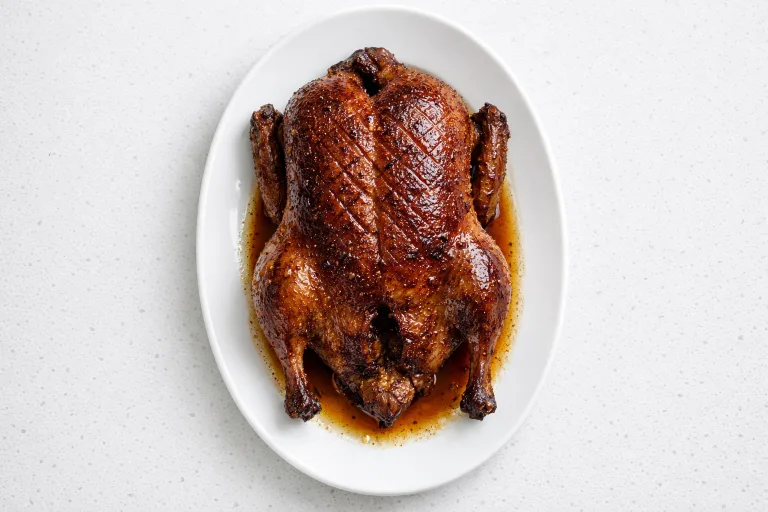
Christmas Roast Duck with Crispy Skin
150 min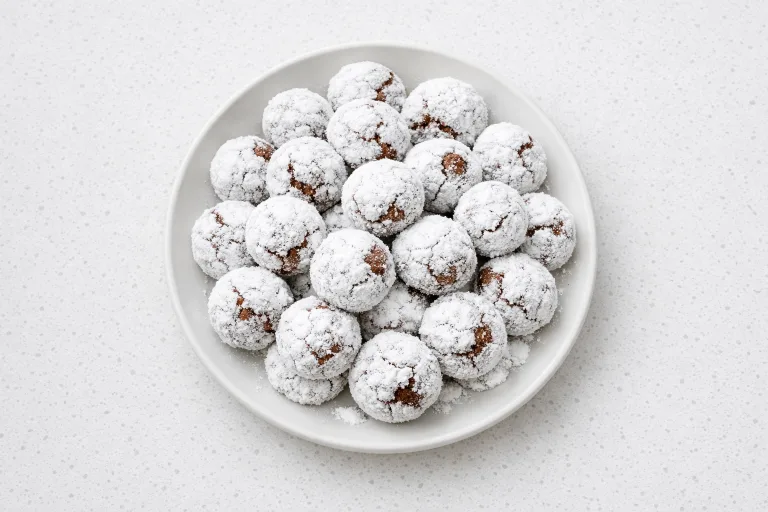
Traditional Pfeffernusse (German Spice Cookies)
15 min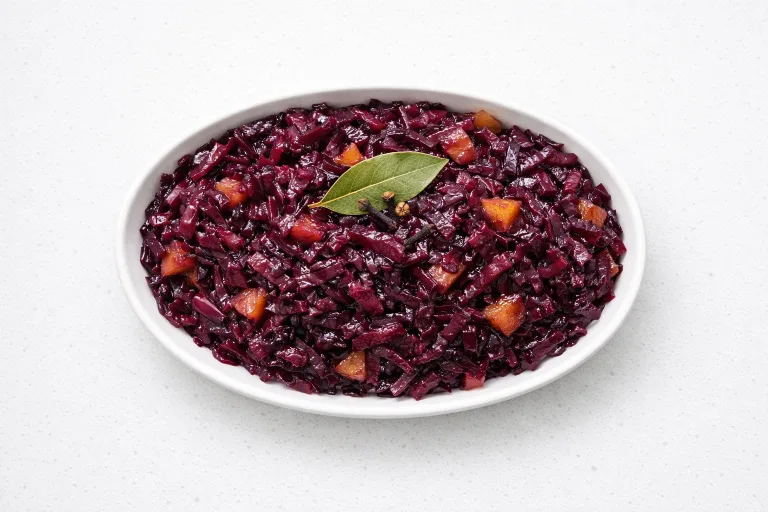
German Rotkohl (Braised Red Cabbage)
55 min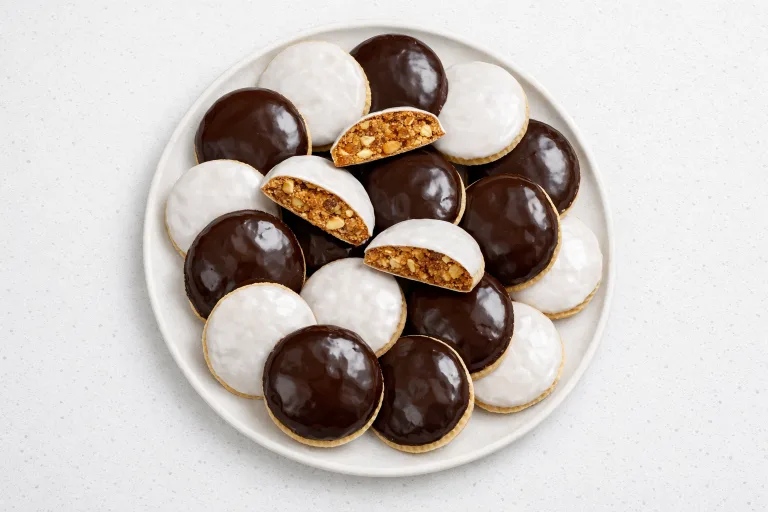
Traditional Nuremberg Lebkuchen
18 min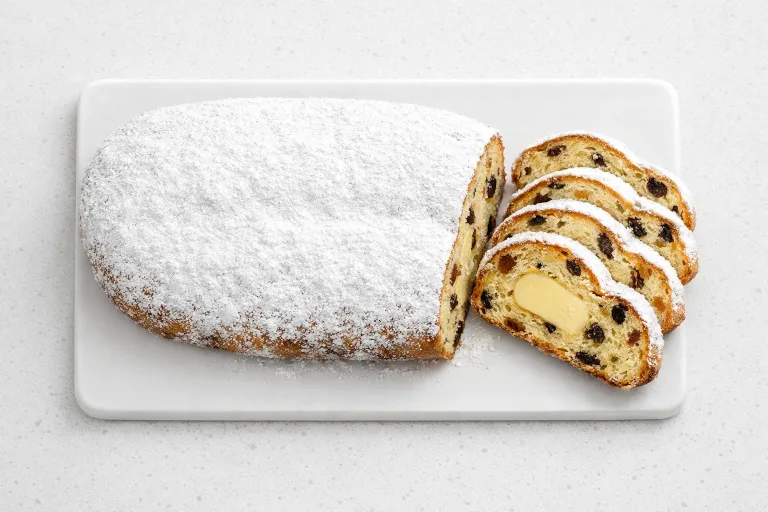
Traditional German Stollen with Marzipan
55 min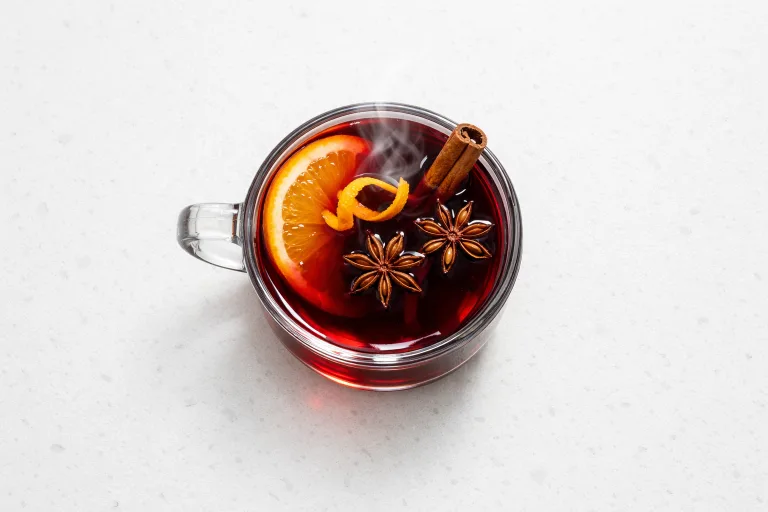
Classic German Mulled Wine (Gluehwein)
20 minRelated Articles
Father Christmas: History, Origin and Meaning
Christmas Pickle: The Odd Tradition Nobody Can Explain
Christmas Superstitions and Festive Folklore Beliefs
Christingle: Meaning, History and the Orange Tradition
Christmas Wreath History, Meaning and Symbolism
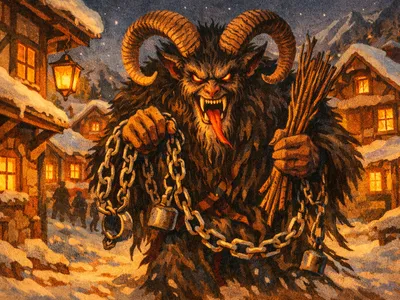
Krampus: The Christmas Devil Who Punishes the Naughty
Candy Cane: History, Origin, Meaning and How They're Made
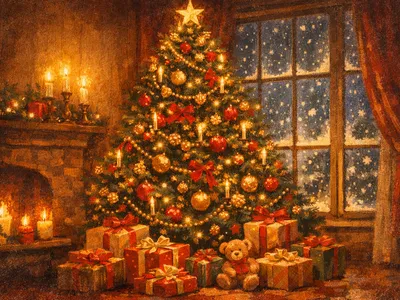
Christmas Tree: History, Origin, Symbolism and Types
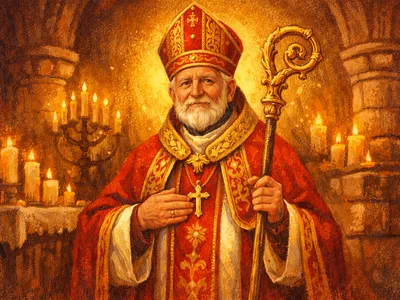
Saint Nicholas: The Real Man Behind Santa Claus