
It only comes but once a year - but could this be the last?
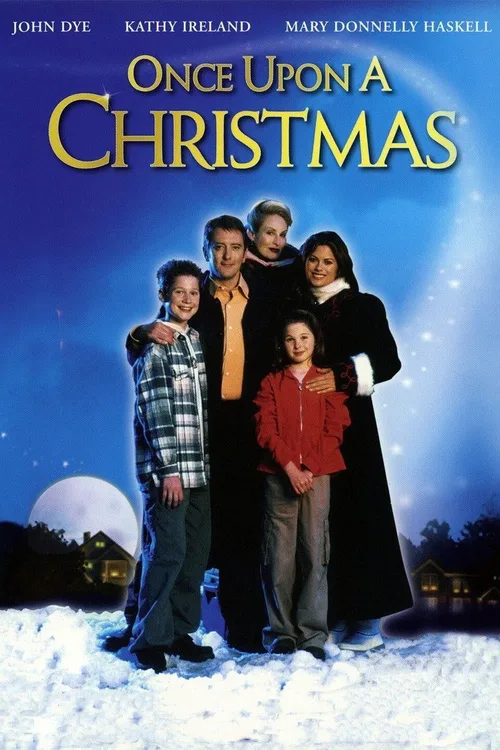
Once Upon A Christmas (2000)
The daughter of Santa Claus vows to transform a single father and his spoiled children to prove that the spirit of Christmas exists.
 rating 5/10 User rating 17 votes 56%
 ❄ Christmas Connection
Once Upon a Christmas is Christmas from top to bottom: Santa Claus, the North Pole, elves, reindeer, and a ticking deadline of midnight on Christmas Eve. The entire plot exists because Christmas spirit is in danger of extinction. There's no ambiguity here.
Our Review
In December 2000, the PAX Network aired a Christmas movie starring a former Sports Illustrated swimsuit cover model as the daughter of Santa Claus. The premise sounds like a punchline. Once Upon a Christmas is not a great film. But it's a more sincere one than you might expect, and sincerity, it turns out, counts for something.
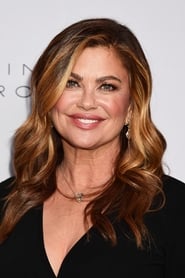
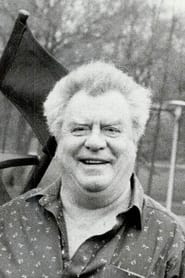
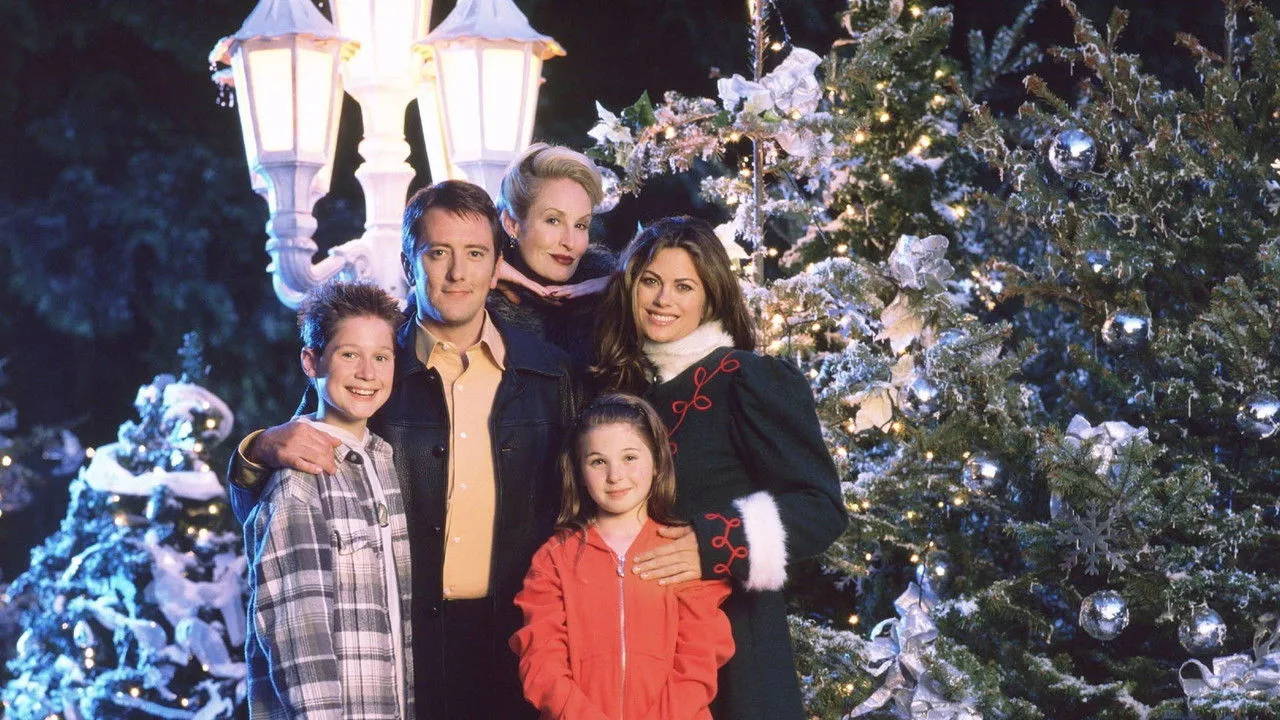
Kathy Ireland plays Kristin Claus, the younger of Santa's two daughters. Her father, played by Douglas Campbell with the weary resignation of a man whose HR department just flagged him, has decided the world no longer deserves Christmas. The naughty list has grown too long. He's ready to retire. Kristin negotiates one last chance: if she can get one family back on the nice list before midnight on Christmas Eve, Santa stays open for business.
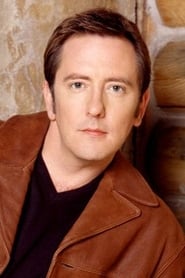
The family she picks is the Morgans. Bill Morgan (John Dye) is a widower and a workaholic, raising two children, Kyle and Brittany, who have drifted into spoiled misery since their mother died. The family is being looked after by Bill's brother, who is not in great shape himself. Kristin arrives, inexplicably competent in the ways of the human world despite never having lived there, and begins methodically fixing things. Her older sister Rudolfa, named for the reindeer and sharing the reindeer's disposition on a bad day, follows her down from the North Pole to sabotage everything.
The Cast: Two Very Different Career Trajectories
John Dye was, at the time of filming, deep into his run on Touched by an Angel, where he played Andrew the Angel of Death across nine seasons. That experience reading sincerity from a teleprompter served him well here. He plays Bill Morgan with genuine restraint, a man who has buried grief under a work schedule so packed he's missed the point of having a family. Dye doesn't oversell it. He underplays consistently, which is the right call when your scene partner is delivering lines about Christmas magic.
Ireland is harder to assess fairly. She was coming off a period where acting had been largely a side project to a modeling career that had already made her one of the most recognizable faces in the country. By 2000, she was pivoting toward business full-time: her licensing company, kathy ireland Worldwide, would eventually generate retail sales in the billions. Once Upon a Christmas sits at an odd moment in her biography.
As Kristin Claus, she's committed and earnest. The character is written as fundamentally good, patient, and determined, which is not the most dramatically interesting combination, but Ireland makes it work through sheer conviction. She doesn't wink at the camera. She doesn't seem embarrassed. Given that she's asked to believe fully in a world where elves exist and the North Pole is a functional logistics operation, that commitment is genuinely hard to maintain for 85 minutes.
Rudolfa Claus: The Movie's Best Idea
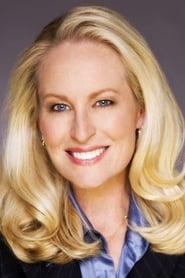
Mary Donnelly-Haskell plays Rudolfa, and she is by far the most interesting thing in the film. Rudolfa hates Christmas. She hates it with the specificity of someone who has had to live next door to it for their entire existence. Her sabotage plan involves redirecting the Morgan family's car with a fake detour sign, deploying an elf disguised as a deer into traffic, and replacing Christmas gifts with prank versions of themselves.
The character is absurd, but Donnelly-Haskell plays her as though she has a completely coherent internal logic. Rudolfa believes Christmas is a fraud and that she's the only one honest enough to say so. The film doesn't give her enough screen time, which is its most significant structural mistake. The scenes between the two sisters are the ones where Once Upon a Christmas actually has something to say about what it costs to believe in things your immediate family has given up on.
Rudolfa's eventual arc, where she falls for a human man and sacrifices her immortality to save people she started the film despising, is the only plot development that carries actual weight.
Director Tibor Takacs and the Mechanics of a TV Movie
Takacs came to this project from a genuinely strange career trajectory. He directed The Gate in 1987, a practical-effects horror film in which a suburban backyard becomes a portal to a demon dimension. That film, made for roughly $2.5 million Canadian, was tight and inventive. By 2000, Takacs had migrated into television, directing episodes of The Outer Limits revival and the Sabrina the Teenage Witch pilot before landing in holiday TV movies, where he would stay for decades.
Once Upon a Christmas was shot in Vancouver, which in 2000 was the standard outsourcing destination for productions that needed to look generically North American without paying Los Angeles rates. The North Pole sequences have the budget of a school play with better lighting. The practical magic effects, of which there are several, strain against what the production could afford.
None of this is fatal. Takacs knows how to move a story through its required beats without losing the audience entirely, and the film clocks in at 85 minutes, which is the correct length for this material. It doesn't overstay its welcome.
What the Film Gets Right
The Morgan family's grief is handled with more care than the premise requires. The children's behavior, their acting out, their resentment of Kristin, their father's emotional absence, is given enough room to feel like a real family in trouble rather than a plot obstacle to clear before the third act. Bill Morgan's arc from closed-off workaholic to man capable of love again is not original, but Dye earns the transformation incrementally rather than snapping to it in the final scene.
The film also resists the easiest version of the Christmas spirit lesson. Kristin doesn't fix the Morgans by decorating the house or baking cookies. She engages with the actual problem, which is a father who has decided that protecting himself from more loss means not engaging with his children at all.
For a 2000 PAX Network Christmas movie with a 5.4 on IMDb, that's more than it needed to do.
Fun Facts
The film originally aired on the PAX Network (now Ion Television) on December 10, 2000, a network founded in 1998 with a focus on family-friendly and religious programming that once reached over 80 million households.
John Dye was born on January 31, 1963, the exact same year as Kathy Ireland (March 20, 1963), making them near-twins in age despite having had almost no overlap in their careers before this film.
Director Tibor Takacs made his name in horror with the 1987 demon-portal film The Gate before pivoting to holiday movies; he has since directed more than a dozen Christmas TV movies for networks including Hallmark and Lifetime.
Kathy Ireland appeared on the cover of Sports Illustrated's swimsuit issue 13 times, including three covers, before transitioning to business; by 2021, her licensing company kathy ireland Worldwide was generating $3.1 billion in annual retail sales.
John Dye, who played the Angel of Death on Touched by an Angel for nine seasons alongside Roma Downey and Della Reese, died on January 10, 2011, at age 47, from undisclosed causes; the cast and crew of the show gathered to pay tribute to him publicly.
The sequel, Twice Upon a Christmas (2001), reunited Ireland and Dye and reversed the villain dynamic: this time, Rudolfa has been selling off pieces of the North Pole to a real estate developer, a premise that somehow made it into a produced screenplay.
Screenwriter Steven H. Berman gave the villain the name Rudolfa specifically as a reference to Rudolph the Red-Nosed Reindeer, adding a layer of irony to a character who despises the entire Christmas enterprise her name commemorates.
The film was produced under a Paramount Pictures television banner and was later released on DVD, where it found a second life as a rental staple through the early streaming era, eventually landing on Amazon Prime Video and Plex.
Cast