
The 3 Wise Men (2003)
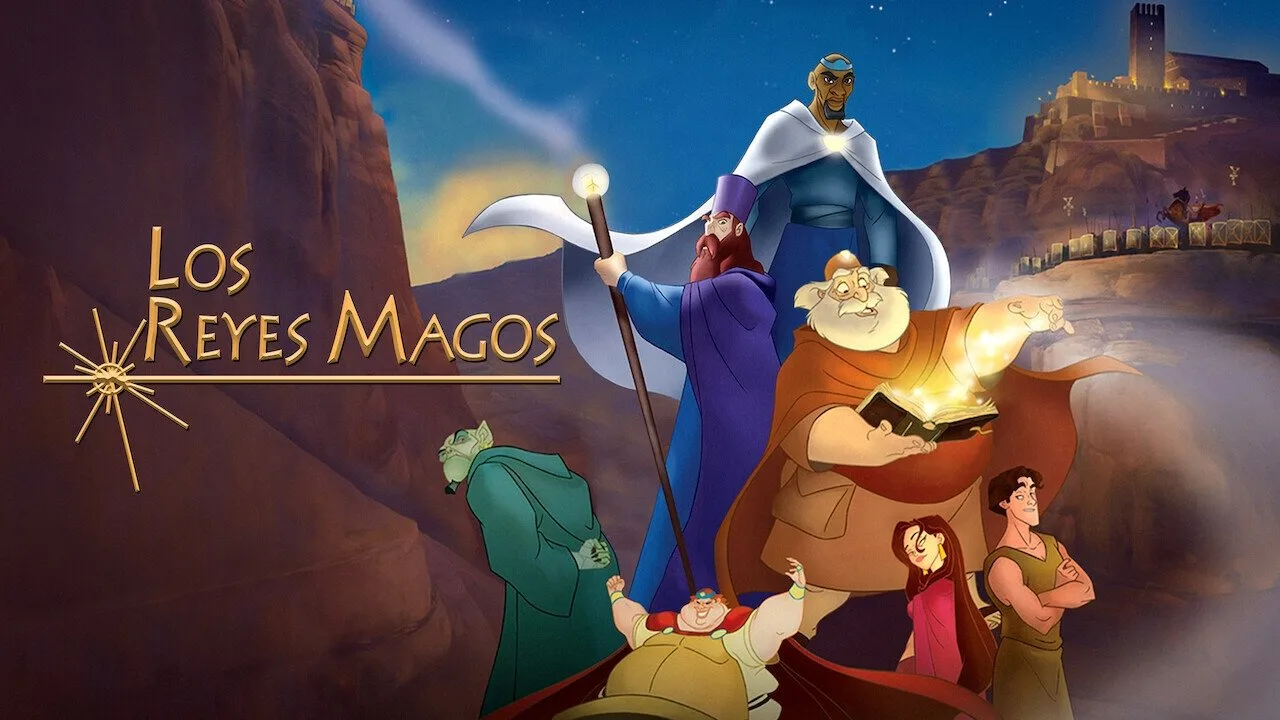
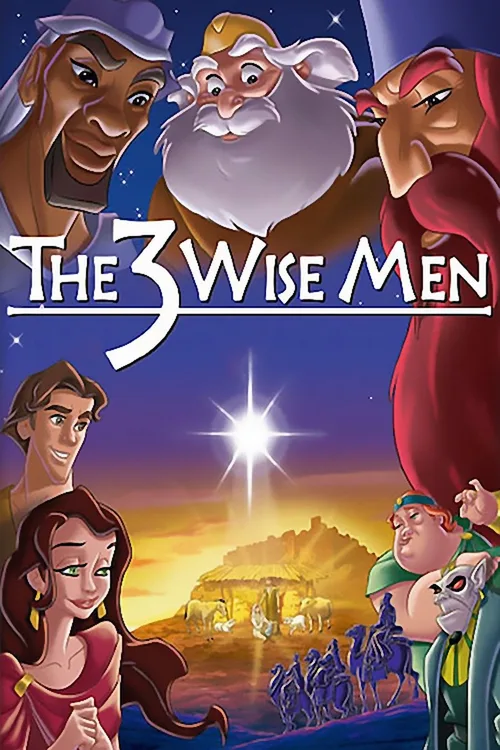
A brilliantly animated adaptation of the classic Christian story, 3 WISE MEN features the voices of Emilio Estevez, Martin Sheen, and Mexican television star Jaci Velasquez. Created by the same artists who animated FANTASIA 2000, HERCULES, and TARZAN, the family-friendly film artfully brings to life the journey of Melchior, Gaspar, and Balthazar--the Three Kings who traveled to baby Jesus' birthplace under the guidance of the Star of Bethlehem.
 rating 6/10 User rating 64 votes 59%
 ❄ Christmas Connection
The 3 Wise Men (2003) is built entirely around the Nativity story and the journey of Melchior, Gaspar, and Balthasar to Bethlehem -- the very event that anchors the Christian Christmas tradition. In Spain and much of the Spanish-speaking world, the Magi are not background characters but the central figures of the Christmas season, with January 6 (Epiphany) being the primary gift-giving day. This film is essentially the Spanish cultural equivalent of a Santa Claus movie.
Where to Watch


Our Review
Spain does not have Santa Claus the way most of the world understands him. It has three kings on camels, a night parade through city streets, and a January 6 morning that rivals December 25 for sheer present-opening chaos. The 3 Wise Men (2003), known in Spanish as Los Reyes Magos, was made specifically for that tradition. It is a 76-minute animated feature that treats Melchior, Gaspar, and Balthasar not as solemn religious icons but as a trio of wildly mismatched sorcerer-scholars racing across ancient Judea to deliver gifts to a newborn king before a demonic tyrant can stop them. That premise is considerably more entertaining than it has any right to be.
Director Antonio Navarro, a Complutense University graduate who had worked as a layout and storyboard artist on Hercules and Tarzan at Disney, brought the same visual vocabulary to Madrid's Animagic Studios. The result is a film that looks, at its best moments, like a lost entry in the Disney Renaissance catalogue: sweeping desert panoramas, expressive character animation, and a Star of Bethlehem rendered as a genuinely luminous presence rather than a clip-art decoration. At its weakest, the backgrounds thin out and the supporting cast starts to look like rushed television work. But the gap is narrow enough that the overall effect holds.
Three Kings as Action Heroes
The script gives each Magi a distinct personality and body type, in the manner of every animated trio since the medium began. Gaspar is the tall, serious one who acts as the group's moral anchor. Melchior is round, cheerful, and dangerously distracted by rumors of a Valley of Gold. Balthasar levitates, meditates, and provides most of the action sequences. This is not subtle characterization, but it works, because each character is given at least one moment where their specific trait becomes the thing that saves everyone.
The villain pairing is more interesting than the heroes. King Herod is played as a paranoid politician rather than a purely mythic monster, which makes him credible. His advisor Belial, a goblin-like sorcerer with pointed ears who schemes and sabotages from the shadows, is the film's most visually inventive creation. By the final act, Belial transforms into something that looks like a giant insect-lizard hybrid. It is probably not what the Book of Matthew had in mind, but it gives the animators an excuse for an extended battle sequence that the younger half of any audience will appreciate.
The framing device involves a skeptical child being told the story by an older figure, which is a structural cliche but serves a real purpose here. It gives the film a way to address the question of belief directly, and it grounds the ancient story in a contemporary emotional register without modernizing the setting.
A Spanish Film Dressed in American Clothes
The English-language version, released as a Wal-Mart exclusive by Buena Vista Home Entertainment in November 2005, has a notable cast. Martin Sheen narrates and voices Gaspar. Emilio Estevez voices the villainous Belial. Having a real-life father and son voice the hero and the primary antagonist is either accidental irony or clever casting, depending on how charitable you are feeling. Sheen brings genuine gravitas to the narration, which elevates the English dub considerably above the average direct-to-video quality of similar releases from that period.
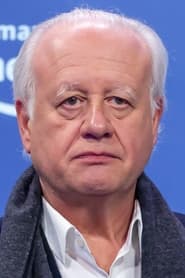
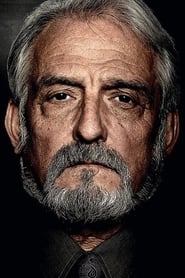
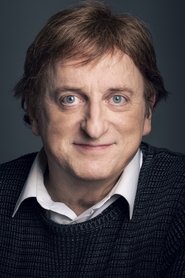
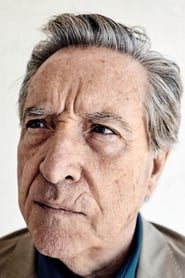
What is unusual about the production history is the direction of the dubbing itself. The English dialogue was apparently recorded first, before animation was finalized, and the Spanish theatrical version was then dubbed from the English track. This reverses the typical workflow for a Spanish production. It reflects the ambition Animagic and its co-financiers had for the international market, and it may partially explain why the original Spanish voice performances, featuring actors Jose Coronado, Juan Echanove, and Imanol Arias, have a slightly different rhythm to them than the mouths suggest.
What Kind of Christmas Movie Is This
In Spain, asking "is this a Christmas movie" about Los Reyes Magos is like asking whether A Christmas Carol is a Christmas movie in Britain. The Three Kings are not a minor decorative element of Spanish Christmas. They are the central event. Children leave their shoes out on the night of January 5. Enormous Cabalgatas de Reyes parades fill city streets. The Roscón de Reyes cake arrives on January 6 morning. This film exists at the exact center of all of that.
For audiences outside the Spanish-speaking world, the movie functions as a window into a tradition that most English-language Christmas content ignores entirely. The gifts of gold, frankincense, and myrrh are not treated here as symbolic gestures. They are magical objects with specific properties, and retrieving them is part of the plot. It is a refreshing reframing of a story that has been told so many times it has become invisible.
The film is not as polished as its Disney-adjacent pedigree might suggest, and the 76-minute runtime includes at least one musical sequence that overstays its welcome. But for families who want something that connects Christmas to its pre-Santa history, or for anyone curious about what a Nativity story looks like when Spain tells it on its own terms, this is a genuine find. The animation on the Star of Bethlehem alone is worth the runtime.
Fun Facts
The film was produced by Madrid-based Animagic Studios with a budget of 7 million euros and premiered in Spain on December 19, 2003, timed directly to the Christmas-Epiphany season.
Director Antonio Navarro had previously worked as a layout and storyboard artist on Disney's Hercules (1997) and Tarzan (1999) before returning to Spain to direct this film.
The English dialogue was recorded before the animation was completed and before the Spanish theatrical version was dubbed, meaning the lip-sync was designed around English first.
Martin Sheen and his son Emilio Estevez provide voices in the English dub: Sheen as the narrator and Gaspar, Estevez as the villain Belial.
Buena Vista Home Entertainment (then Disney's distribution arm) released the English-language DVD exclusively through Wal-Mart in the United States on November 1, 2005, retailing at $19.99.
In Spain, Three Kings Day (Dia de Reyes) on January 6 is the primary gift-giving day of the Christmas season. Children leave polished shoes out the night before to receive gifts, rather than hanging stockings.
Director Antonio Navarro received a nomination for the Goya Award for Best Animated Film for this movie, Spain's equivalent of the Academy Awards.
The villain Belial starts the film in human disguise with pointed ears before transforming into a giant insect-lizard creature in the climax, making him one of the more visually extreme antagonists in any Nativity-themed film on record.
Cast