Christmas in Spain
Spain stretches Christmas from December 8 to January 6, when the Three Kings (Los Reyes Magos) finally deliver gifts to children. The season builds through lottery fever (El Gordo on December 22), Nochebuena family dinners, and New Year's Eve grape-eating, before reaching its climax on Three Kings Day, the true Spanish gift-giving occasion.
Spanish Christmas runs on its own calendar. While most of Europe wraps up the festivities by December 26, Spain is just getting started. The real climax comes on January 6, when the Three Kings ride through town on camels and children finally open their presents. Before that, there is a lottery worth 2.3 billion euros, a midnight grape-eating ritual, and a Catalan tradition involving a defecating log. Spain does Christmas differently, and it does it loudly.
El Gordo: The World's Biggest Lottery
On December 22, Spain stops. The Sorteo Extraordinario de Navidad, known as El Gordo (The Fat One), is the world's largest lottery by total prize money, distributing over 2.3 billion euros. Over 75% of Spaniards buy tickets, often sharing numbered decimos with coworkers, friends, and family. The drawing is broadcast live on television and takes hours, as children from the San Ildefonso school sing out the winning numbers in a haunting, nasal chant.
When a community shares a winning number, the celebration spills into the streets. Entire neighborhoods, offices, and bars erupt. El Gordo is not just a lottery. It is the emotional starting gun of Spanish Christmas.
Nochebuena and the Family Table
Christmas Eve dinner is the main family gathering. The menu reflects Spain's regional diversity. In Castile, cochinillo asado (roast suckling pig) or cordero (roast lamb) dominates. Coastal regions serve seafood: prawns, lobster, hake, or salt cod. In Galicia, pulpo (octopus) often appears. Everywhere, the meal ends with turron, polvorones (crumbly almond cookies), and marzipan figures.
Many families attend Misa del Gallo (Midnight Mass) after dinner. Some exchange small gifts on Christmas Eve, but the main event is reserved for the Three Kings.
The Three Kings: Spain's Real Gift Day
January 6, Dia de Reyes, is when Spanish children receive their presents. On the evening of January 5, every city and town holds a Cabalgata de Reyes, a parade featuring the Three Kings on elaborate floats, throwing sweets to the crowds. In Madrid, the parade draws over a million spectators. Children leave their shoes out overnight, along with water for the camels and a letter listing their wishes.
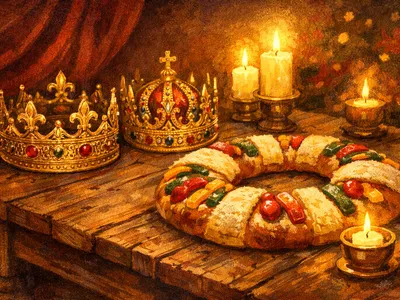
The morning of January 6 is Spain's equivalent of Christmas morning elsewhere. Families gather to open presents, then eat Roscon de Reyes, a ring-shaped sweet bread topped with candied fruit. Hidden inside are a small figurine (the finder is crowned king) and a dried bean (the finder buys next year's roscon).
Frequently Asked Questions
When do Spanish children receive gifts?
The main gift-giving day in Spain is January 6, Dia de Reyes (Three Kings Day). The Three Kings (Melchior, Caspar, and Balthasar) bring presents to children, who leave their shoes out the night before. Some families also exchange small gifts on Christmas Eve, and Santa Claus (Papa Noel) has gained some popularity in recent decades.
What is El Gordo?
El Gordo is the Spanish Christmas lottery, the world's largest by total prize money (over 2.3 billion euros). The drawing takes place on December 22 and is broadcast live on television. Over 75% of Spaniards participate, often sharing tickets with coworkers and friends.
What are the twelve grapes?
On New Year's Eve at midnight, Spaniards eat twelve grapes, one with each of the twelve clock chimes from the Puerta del Sol in Madrid. Each grape represents a wish for one month of the coming year. The tradition dates to the early 1900s and is broadcast live on television.
What is turron?
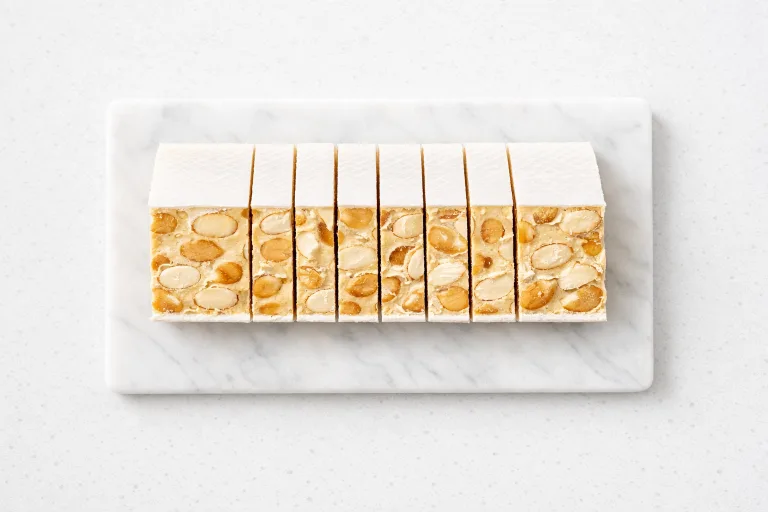
Turron is a traditional Spanish Christmas sweet made from almonds, honey, sugar, and egg white. The two main varieties are turron de Alicante (hard and crunchy) and turron de Jijona (soft and paste-like). Production is centered in the town of Jijona in Alicante province.
Traditions & Customs
El Gordo (Christmas Lottery)
On December 22, Spain holds the world's largest lottery, El Gordo, with prize money exceeding 2.3 billion euros. Over 75% of Spaniards buy tickets. The drawing is broadcast live for hours and is one of Spain's most-watched TV events.
Los Reyes Magos (Three Kings)
The main gift-giving day in Spain is January 6, when the Three Kings (Melchior, Caspar, and Balthasar) bring presents. Children leave their shoes out the night before, along with water and food for the camels. On January 5, elaborate Cabalgata de Reyes parades fill cities.
Nochebuena
Christmas Eve is a family dinner affair. The meal varies by region but often includes seafood (especially in coastal areas), cochinillo (roast suckling pig) in Castile, and lamb in other regions. Turron and polvorones are the universal desserts.
Nochevieja Grapes
At midnight on New Year's Eve, Spaniards eat twelve grapes, one with each clock chime of the Puerta del Sol in Madrid. Each grape represents a wish for one month of the coming year. Succeeding without choking is harder than it sounds.
Caganer and Caga Tio (Catalonia)
Catalonia has two unique traditions: the caganer, a small defecating figure hidden in nativity scenes (a fertility symbol), and the Caga Tio, a log that children feed during December and then beat with sticks on Christmas Eve to make it produce gifts and sweets.
Belen (Nativity Scene)
Spanish nativity scenes are elaborate, often filling entire rooms with landscapes, rivers, and dozens of figures. Cities build large public belenes, and competitions for the best display are common.
Christmas Markets
Plaza Mayor Christmas Market
Madrid's main square fills with over 100 stalls selling nativity figures, decorations, costumes, and jokes (a Spanish market tradition). The market has been held since the 18th century.
Fira de Santa Llucia
Barcelona's oldest Christmas market, held since 1786 in front of the Gothic Cathedral. Stalls sell handcrafted nativity figures, including the famous caganer, Christmas trees, and moss for belen displays.
Key Dates
Inmaculada Concepcion
A national holiday marking the Immaculate Conception. It is the traditional start of the Christmas season. Many families set up their belen (nativity scene) on this day.
El Gordo Lottery Drawing
The Spanish Christmas lottery results are announced in a live broadcast lasting several hours. Winners celebrate publicly. The event marks the unofficial emotional start of Christmas.
Nochebuena
Christmas Eve is a family dinner. Many attend Misa del Gallo (Midnight Mass). Some families exchange small gifts, but the main gift-giving is reserved for January 6.
Nochevieja
New Year's Eve, celebrated with the tradition of eating twelve grapes at midnight. Spaniards gather at home or in public squares, with the Puerta del Sol in Madrid being the main gathering point.
Cabalgata de Reyes
Elaborate parades of the Three Kings pass through every Spanish city and town on the evening of January 5. The Kings throw sweets to children from decorated floats.
Dia de Reyes
Three Kings Day is the main gift-giving day. Children open presents in the morning. Families eat Roscon de Reyes, a ring-shaped cake with a hidden figurine and a dried bean.
Christmas Carols
Christmas Eve Tonight
Esta noche es NochebuenaOne of Spain's most traditional villancicos (Christmas carols). Its lively rhythm reflects the festive atmosphere of Nochebuena celebrations.
Bells Over Bells
Campana sobre campanaA popular villancico sung across Spain, with a catchy call-and-response melody. It is one of the first carols Spanish children learn.
The Fish in the River
Los peces en el rioA joyful Spanish carol about fish drinking and swimming to celebrate the Virgin Mary. Its simple, infectious melody makes it one of the most popular villancicos in the Spanish-speaking world.
Silent Night
Noche de PazThe Spanish version of Silent Night, widely sung at Midnight Mass and family gatherings across Spain.