
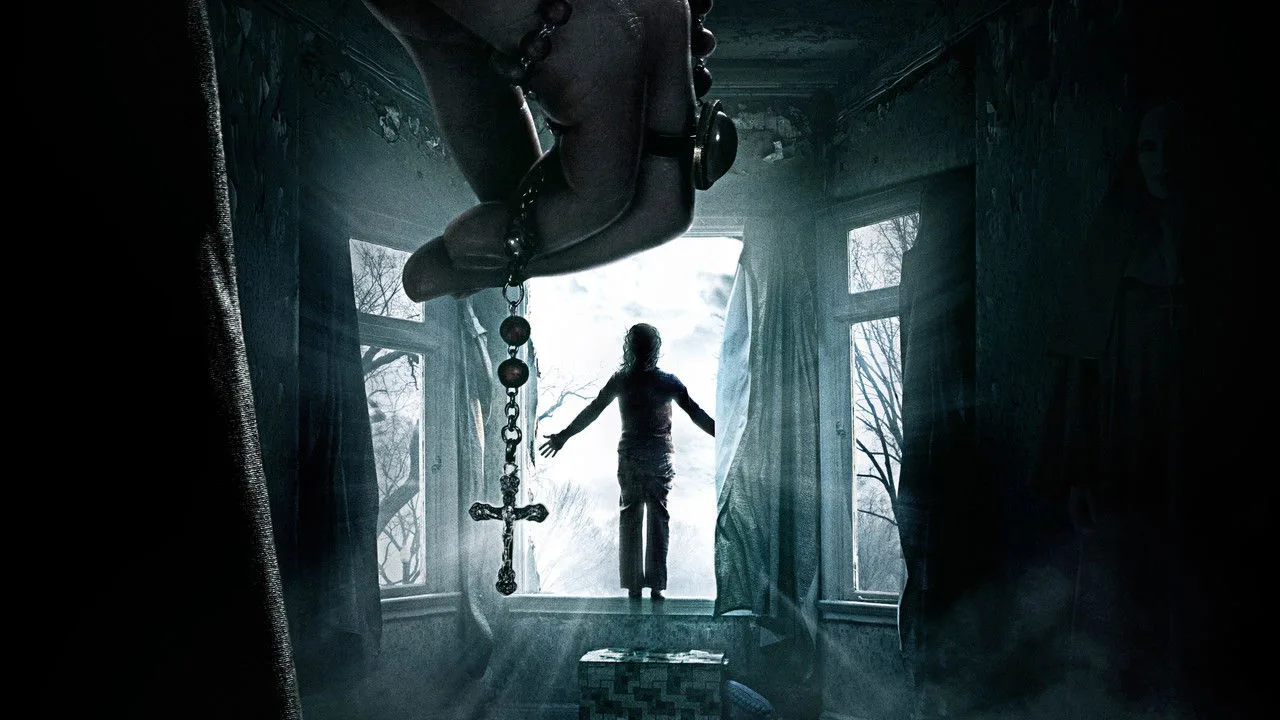
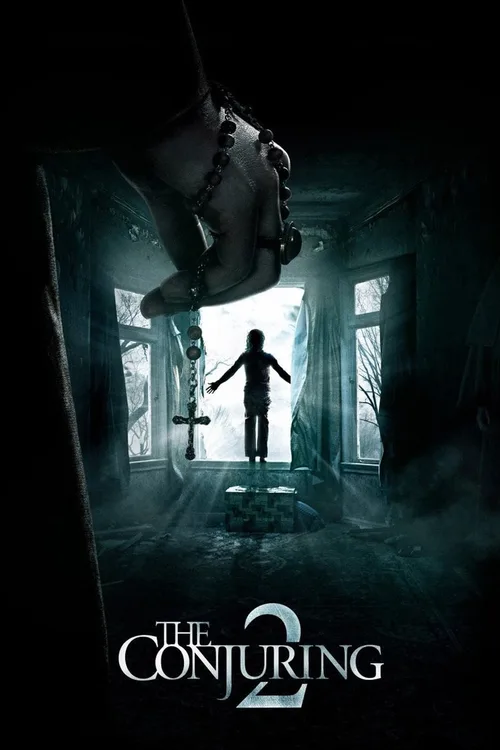
The next true story from the case files of Ed and Lorraine Warren.
The Conjuring 2 (2016)
Lorraine and Ed Warren travel to north London to help a single mother raising four children alone in a house plagued by malicious spirits.
 rating 8/10 User rating 9,050 votes 73%
 ❄ Christmas Connection
The film's central haunting at the Hodgson house in Enfield unfolds during Christmas 1977. A decorated tree stands in the sitting room as furniture moves and voices growl, turning a scene that should feel safe and festive into something deeply wrong. The contrast is the point: Christmas domesticity is the backdrop James Wan deliberately chose for the horror to erode.
Where to Watch


Our Review
The Conjuring 2 opens at Amityville in 1976, then jumps to Enfield in 1977, and somewhere in between those two cases you realize James Wan isn't making haunted-house movies in the conventional sense. He's making films about belief. About two people who walk into rooms where something has clearly gone wrong and decide it's their problem to fix. That's a stranger premise than it sounds, and Wan makes it work by never letting the horror overwhelm the marriage at the center of it.
What the Enfield Poltergeist Actually Was
In August 1977, Peggy Hodgson called the police to her council house at 284 Green Street in Enfield, north London. A constable came, watched a chair slide across the floor, wrote it up in a report, and had no explanation. Over the following 18 months, more than 30 witnesses, including neighbors, journalists, and investigators from the Society for Psychical Research, reported seeing furniture move, objects fly, and the Hodgson children appear to levitate. An 11-year-old girl named Janet began speaking in a deep, ragged voice that claimed to be a former occupant named Bill Wilkins. Those recordings still exist. They are not comfortable listening.
Bill Wilkins was real. He had lived in the house, gone blind, suffered a brain hemorrhage, and died in a chair downstairs on June 20, 1963. A listener to an LBC radio broadcast in the late 1970s heard the recordings and identified the voice as that of his father. None of this proves anything, but it's the kind of specific detail that sticks.
The Warrens visited Enfield in 1978. Their role in the real case was brief and, according to lead investigator Guy Lyon Playfair, largely unwelcome. Ed Warren reportedly told Playfair the case "could make a lot of money." The film expands that cameo into a central investigation, which is a choice the script has to work hard to justify. Mostly it does.
Wan's Camera and the Architecture of Dread
The Hodgson house in the film doesn't exist in Enfield. Production designer Julie Berghoff built a two-story set on Stage 4 at Warner Bros. in Los Angeles, constructing three connected row-house facades, front gardens, a stretch of pavement, and backyards, all indoors. The reason was purely cinematic. Wan wanted to follow actors up and down stairs without cutting, and he couldn't do that on location in an actual council house.
That decision shapes the entire film. The camera in The Conjuring 2 almost never stops moving. It drifts down hallways, follows characters through doorframes, pushes slowly toward things you'd prefer it didn't approach. Wan told interviewers he thinks of camera movement the way a composer thinks about silence. "There's something very dynamic about stopping the camera," he said, "in the same way the absence of sound is as powerful as the presence of it." There's one scene, a long conversation with Ed and an apparent spirit, that plays as a single unbroken take without you realizing it.
The Christmas setting matters to this approach. Wan's production used the holiday decor as a kind of visual irony. The Christmas tree stands in the Hodgson sitting room not as atmosphere but as counterweight. Its lights and tinsel are everything a family home should feel like in December 1977. Whatever is in that house with the Hodgsons is the opposite of that.
Is The Conjuring 2 a Christmas Movie?
Not in any useful sense, no. The Christmas setting is incidental to the plot, not structural to it. The haunting doesn't care what month it is, and the film's resolution has nothing to do with the holiday. What it is: a horror film set partly at Christmas, in the way that Die Hard is set at Christmas or Black Christmas is set at Christmas. The season is there to make ordinary domesticity feel more fragile, not to celebrate anything.
That said, the specific image of Bill Wilkins' chair positioned next to the Hodgsons' decorated tree is one of the film's most effectively unsettling compositions. The chair is where he died. The tree represents everything the family is still trying to hold on to. Put them in the same frame and you have the film's central argument without a word of dialogue.
Madison Wolfe and What the Film Actually Gets Right
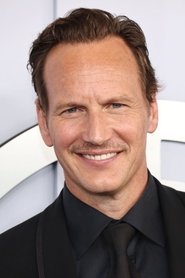
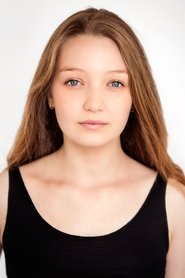
Patrick Wilson and Vera Farmiga are the draw, but the film rests on Madison Wolfe's performance as Janet Hodgson. Wolfe was 13 during production and delivers work that most adult actors couldn't manage. The possession sequences require her to physically contort while projecting a personality entirely unlike her own, in a voice that sounds like it belongs to a much older man. She doesn't push for sympathy. She plays the confusion and exhaustion of a child who doesn't understand what is happening to her, which is more disturbing than any of the supernatural effects around her.
The real Janet Hodgson later acknowledged that she and her sister faked a small number of incidents, which she estimated at roughly 2 percent of the total events. She maintained that the rest was genuine. She has given interviews as recently as the 2010s and still lives with whatever happened to her in that house.
Valak and the Problem with Success
The nun called Valak is The Conjuring 2's most famous creation and its most significant miscalculation. The figure wasn't in the original cut of the film. Wan shot additional footage in March 2016 to replace an earlier demonic design he felt was too conventional. The nun's habit and pale face were chosen because they were grounded, specific, and violating in a way the previous design wasn't.
He was right about the design. Valak is genuinely frightening in the sequences where she appears in the background, not yet acknowledged by anyone on screen. But the character became so popular that it spawned its own franchise, and the more Valak appears in The Conjuring 2, the less effective she gets. The Crooked Man, a genuinely strange stop-motion-adjacent creation played by Javier Botet, is scarier and receives far less screen time. That ratio is the film's clearest weakness.
The Conjuring 2 grossed $320 million worldwide against a production budget of around $40 million. Its opening weekend of $40.4 million placed it at number one. It holds a 76% on Rotten Tomatoes and a 7.3 on IMDb, scores that feel slightly low for a film this carefully constructed. The CinemaScore of A- suggests audiences had a better read on it than some critics did.
Fun Facts
The real Warrens visited the Hodgson house in 1978, but Maurice Grosse and Guy Lyon Playfair, the primary investigators from the Society for Psychical Research, reportedly refused them entry and described the visit as brief and unwelcome. The film promotes their role considerably.
Valak the nun wasn't in the film's original cut. James Wan shot additional photography in March 2016 to replace a winged demonic figure he felt was too generic. Bonnie Aarons, who had played a similar character in The Nun, was cast in the role.
The Conjuring 2 cast Javier Botet as the Crooked Man, a lanky Spanish actor known for playing elongated monsters due to his Marfan syndrome, which gives him unusual joint flexibility and a distinctive skeletal appearance.
The entire Enfield street set, including three row-house facades, front gardens, and a stretch of pavement, was built indoors on Stage 4 at Warner Bros. in Los Angeles. Filming the actual location in Enfield was considered impractical for the camera work Wan planned.
Actual audio recordings of Janet Hodgson speaking in the voice attributed to Bill Wilkins were included in The Conjuring 2's end credits. A ventriloquist who later analyzed the recordings concluded the voice was a deliberate vocal trick; investigators who were present at the time disagreed.
Bill Wilkins was a real person who died of a brain hemorrhage in the Hodgson house on June 20, 1963. His identity wasn't established until someone heard the recordings on an LBC radio broadcast and recognized the voice as that of his father.
Madison Wolfe, who played Janet Hodgson, was 13 years old during principal photography, which ran for approximately 50 days beginning in September 2015. Her casting was announced alongside the start of production in September of that year.
The California Film Commission granted The Conjuring 2 a $5.6 million tax credit for keeping the production in-state, a significant subsidy for a film whose entire English setting was fabricated inside a Los Angeles soundstage.
Cast