

Mexican Christmas Recipes
Navidad in Mexico is a weeks-long celebration of food, family, and faith. Families gather to make tamales by the dozen, sip warm ponche navideño, fry crispy buñuelos, and prepare bacalao for Nochebuena.
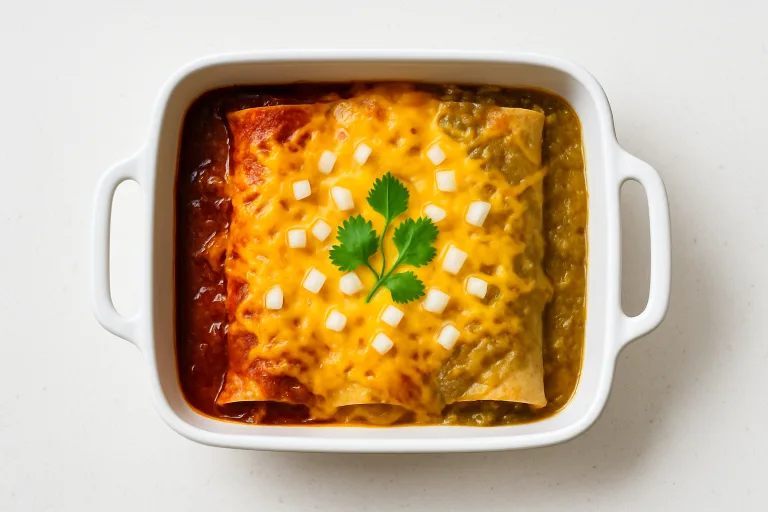 60 min
Medium
60 min
Medium Christmas Enchiladas with Red and Green Chile Sauce
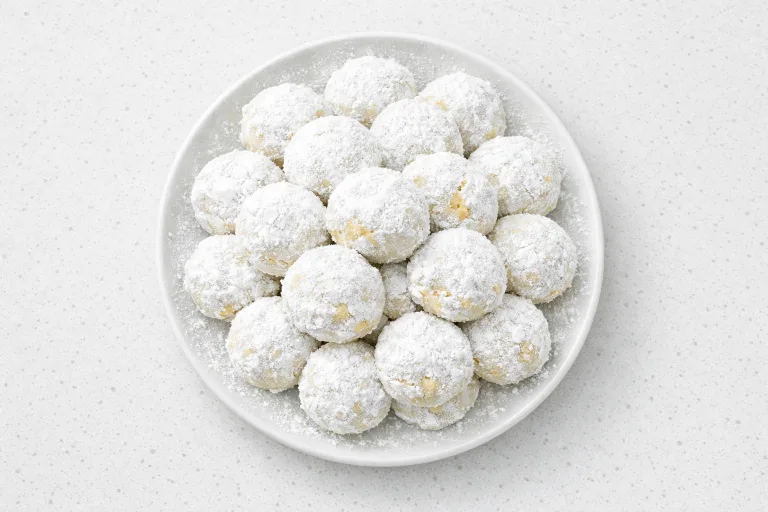 35 min
Easy
35 min
Easy Mexican Wedding Cookies (Polvorones)
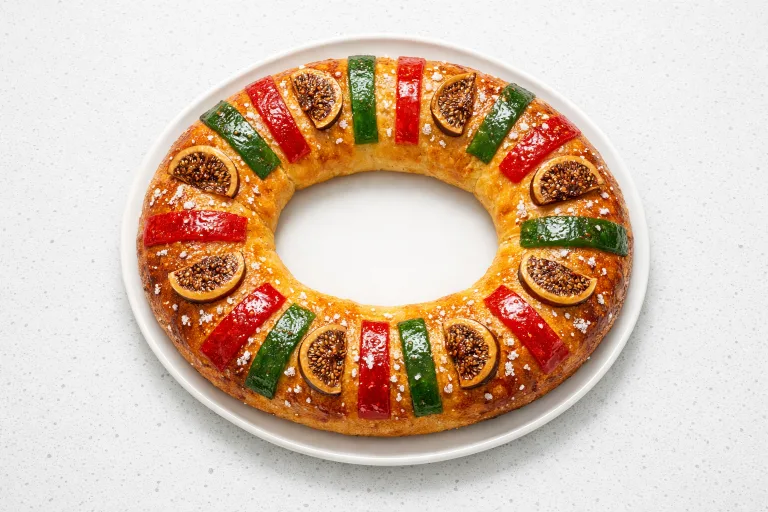 75 min
Medium
75 min
Medium Rosca de Reyes (Mexican Three Kings Bread)
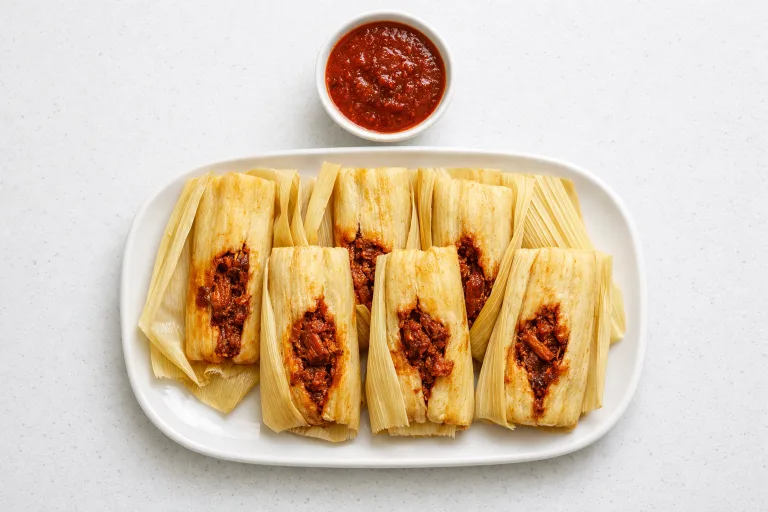 210 min
Hard
210 min
Hard Christmas Tamales with Pork and Red Chile
 60 min
Easy
60 min
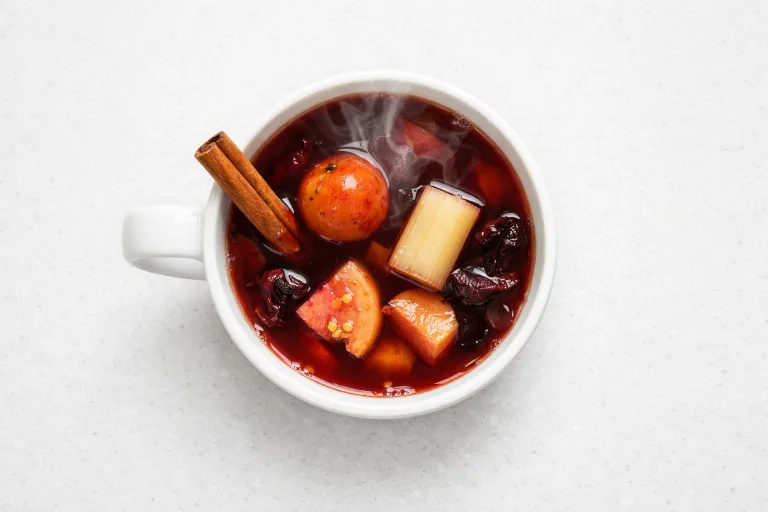
Easy Ponche Navideño (Mexican Christmas Punch)
 15 min
Easy
15 min
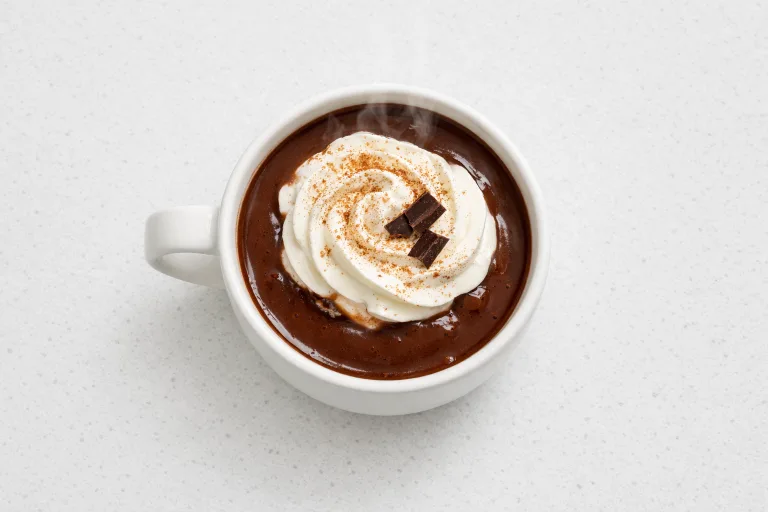
Easy Christmas Hot Chocolate with Warming Spices
 10 min
Easy
10 min
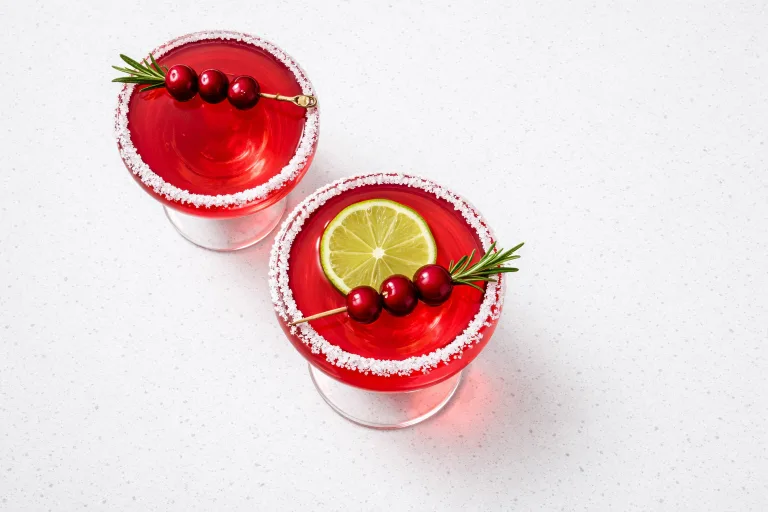
Easy Christmas Margarita with Cranberry and Rosemary
La Navidad - Christmas the Mexican Way
Navidad in Mexico is a weeks-long celebration where food is at the very centre. Preparations begin in early December with las posadas - nine nights of processions, prayers, and feasting that culminate on Nochebuena (Christmas Eve). The food is as warm, vibrant, and communal as the celebration itself.
Tamales are the heart of a Mexican Christmas. Families spend days preparing them together - spreading masa on corn husks, filling with pork in red chile, chicken in green salsa, or sweet fillings like strawberry and pineapple - then steaming them in enormous pots. Making tamales is not just cooking; it is a social event, with generations working side by side, sharing stories and laughter.
Ponche navideño, the traditional Christmas punch, simmers on the stove throughout the season. Made with tejocotes (a native Mexican fruit), guavas, sugarcane, cinnamon, and piloncillo (unrefined cane sugar), it fills the house with an aroma unlike anything else. Adults often add a splash of rum or brandy. Alongside the punch, buñuelos - thin, crispy fried dough discs drizzled with piloncillo syrup - are the quintessential Christmas treat.
Nochebuena dinner might feature bacalao a la vizcaína (salt cod in tomato sauce, a tradition inherited from Spain), romeritos (a wild green cooked with mole and shrimp), roast turkey or pork leg (pierna), and ensalada de Nochebuena - a stunning salad of beetroot, apple, and pomegranate. These recipes bring the colours, flavours, and joy of a Mexican Christmas to your table.
Mexican Christmas Recipes Tips
Expert advice for perfect results every time.
- 1
Make tamales as a group activity
Tamale-making is traditionally a communal event called a tamalada. Invite friends or family to help spread, fill, wrap, and steam. It turns a labour-intensive recipe into a social, joyful afternoon. Make extra - tamales freeze beautifully for months.
- 2
Soak the corn husks overnight
Dried corn husks need at least 2 hours of soaking in warm water to become pliable, but overnight is best. Drain and pat dry before spreading the masa. Pliable husks wrap easily; brittle ones tear and frustrate.
- 3
Simmer ponche low and slow
Ponche navideño needs gentle simmering for at least 45 minutes to let the fruits soften and the flavours meld. Don't rush it. Keep the pot on the lowest heat and let guests ladle their own cups throughout the evening.
- 4
Use real piloncillo
Piloncillo (unrefined Mexican cane sugar) has a deep, complex sweetness that brown sugar cannot replicate. Find it in Mexican grocery stores or online. Grate it or dissolve it in warm water before adding to recipes.
Frequently Asked Questions
Common questions about mexican christmas recipes, answered.
What do Mexicans eat at Christmas?
Mexican Christmas food centres on tamales (the essential dish), ponche navideño (warm fruit punch), buñuelos (fried dough with syrup), bacalao a la vizcaína (salt cod in tomato sauce), romeritos (wild greens in mole), roast turkey or pork leg (pierna), and ensalada de Nochebuena (beetroot and apple salad). Families also serve pozole, menudo, and atole during the posada celebrations leading up to Christmas.
How do you make Mexican tamales?
Tamales start with masa (corn dough) beaten with lard until fluffy. Spread masa on soaked corn husks, add filling (pork in red chile, chicken in green salsa, cheese and jalapeño, or sweet fillings), fold the husk, and steam upright in a large pot for 1–2 hours until the masa pulls cleanly from the husk. The key is a well-whipped masa - it should float in water when ready.
What is ponche navideño?
Ponche navideño is a traditional Mexican Christmas punch made by simmering tejocotes (Mexican hawthorn fruit), guavas, sugarcane chunks, cinnamon sticks, prunes, and piloncillo (unrefined cane sugar) in water for 45+ minutes. Adults often add rum, brandy, or tequila. It is served warm in mugs throughout the posada season and on Christmas Eve. If you cannot find tejocotes, small crab apples are the closest substitute.
What are buñuelos?
Buñuelos are thin, crispy rounds of fried dough, traditionally served at Christmas and New Year. The dough is made from flour, eggs, and anise, rolled very thin, fried until golden and bubbly, and drizzled with warm piloncillo syrup or dusted with cinnamon sugar. In some regions, they are served on clay plates that are smashed for good luck after eating - though most families today skip that part.
When do Mexicans celebrate Christmas?
Mexican Christmas celebrations span December 16–January 6. Las posadas (nine nights of processions and parties) run December 16–24. Nochebuena (Christmas Eve) is the main celebration with family dinner, gifts, and midnight mass. Christmas Day is quieter - leftovers and family visits. Día de los Reyes (January 6) brings the rosca de reyes (king cake) and a final round of gift-giving.