
Christmas in Denmark
Danish Christmas, or Jul, is a month-long celebration of hygge at its most concentrated. Families light candles, drink glogg, and build up to Juleaften (Christmas Eve) with Advent calendars, julefrokost parties, and enough butter cookies to sink a Viking longship. The season peaks with roast duck, risalamande, and dancing around the tree.
Denmark does Christmas with a commitment to hygge that borders on the religious. The candles, the cookies, the glogg, the long evenings around the table: everything about Danish Jul is designed to create warmth and togetherness during the darkest month of the year. It works. Denmark consistently ranks among the happiest countries in the world, and December is when you see why.
Julefrokost: The Danish Way to Warm Up
Before Christmas itself, Danes celebrate with julefrokost, extended Christmas lunches held by workplaces, friend groups, and clubs throughout December. A proper julefrokost is a marathon, not a sprint. The table fills with herring (pickled, curried, fried), leverpostej (liver pate), frikadeller (meatballs), flaeske steg (roast pork), and cheese. Each course is accompanied by snaps (aquavit) and beer. The meal can last four or five hours, and the singing grows louder as the afternoon progresses.
Juleaften: The Main Event
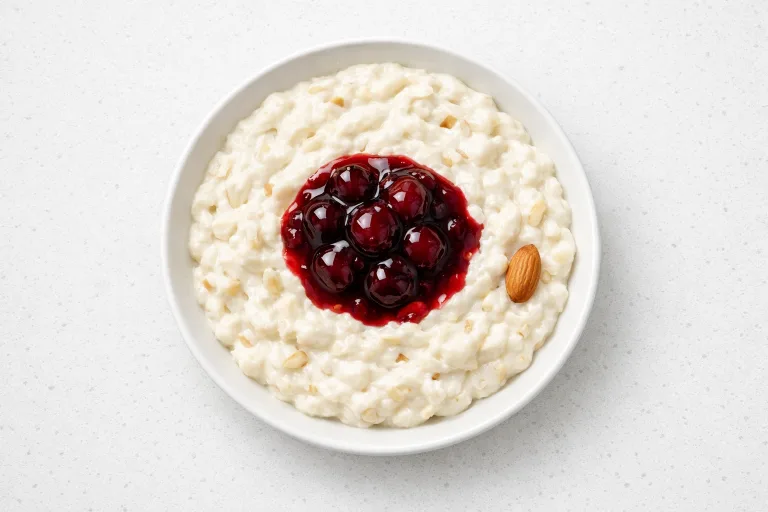
Christmas Eve is when Danish Christmas happens. The meal typically begins around 6 PM with roast duck or flaeske steg, served with roedkaal (braised red cabbage), caramelized potatoes, and gravy. The real drama comes with dessert: risalamande, a cold rice pudding with whipped cream and chopped almonds, served with warm cherry sauce.
Hidden inside the risalamande is a single whole almond. Whoever finds it wins the mandelgave (almond gift), traditionally a marzipan pig or another prize. The game creates considerable tension, as finders often try to conceal their discovery until everyone has finished eating.
After dinner, the family joins hands and walks around the Christmas tree, singing carols. This is non-negotiable in Danish culture. Even the most secular households do it. Gifts are opened afterward.
Hans Christian Andersen's Christmas
Denmark's most famous author left a lasting mark on the country's Christmas traditions. Andersen invented the woven paper julehjerter (Christmas hearts) around 1860, and they remain Denmark's most iconic tree decoration. Children learn to weave them in school, and the intertwined red and white hearts appear everywhere during December. Andersen's fairy tales, particularly 'The Little Match Girl' and 'The Fir Tree,' are also closely associated with Danish Christmas culture.
Frequently Asked Questions
What is risalamande?
Risalamande is a cold Danish dessert made from rice pudding mixed with whipped cream, vanilla, and chopped almonds, served with warm cherry sauce. A whole almond is hidden inside, and the person who finds it wins a prize called the mandelgave, usually a marzipan pig.
What is a julefrokost?
A julefrokost is a traditional Danish Christmas lunch held during December by workplaces and social groups. It features multiple courses of herring, pork, meatballs, and cheese, accompanied by snaps (aquavit) and beer. These long, festive meals are a central part of the Danish holiday season.
What do Danes eat on Christmas Eve?
The traditional Juleaften meal is roast duck or flaeske steg (roast pork with crackling), served with roedkaal (braised red cabbage), caramelized potatoes, and gravy. Dessert is risalamande with cherry sauce. The meal is followed by dancing around the tree and opening gifts.
Traditions & Customs
Julefrokost (Christmas Lunch)
Workplace and social julefrokost parties run throughout December. These long, boozy lunches feature herring, liver pate, frikadeller, and snaps (aquavit). They are Denmark's most distinctive pre-Christmas tradition.
Risalamande
A cold rice pudding with whipped cream, vanilla, and chopped almonds, served with warm cherry sauce on Christmas Eve. A whole almond is hidden inside, and whoever finds it wins a prize, the mandelgave.
Dancing Around the Tree
After Christmas dinner, Danish families join hands and walk in a circle around the tree, singing carols. The tradition is universal across Denmark and is considered the emotional heart of Juleaften.
Kalenderlys (Calendar Candle)
A tall candle marked with numbers 1-24, burned down one number each day of December. Alongside the TV Advent calendar (Julekalender), it is how Danish children count down to Christmas.
Aebleskiver
Round, puffy pancake balls served during Advent with powdered sugar and jam. Baking and eating aebleskiver with glogg is a central Danish Advent tradition, enjoyed at home and at Christmas markets.
Nisser (Christmas Gnomes)
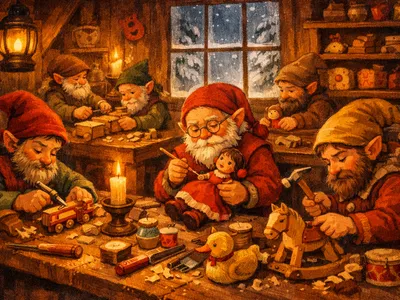
Danish nisser are mischievous gnome-like creatures who live in the attic or barn. During December, families set out porridge for the nisse. The TV show Julekalender often features nisser prominently.
Christmas Markets
Tivoli Christmas Market
Copenhagen's Tivoli Gardens transforms into a Christmas wonderland with over 60 stalls, a million lights, and rides. Open since 1843, Tivoli's Jul season is Denmark's most visited Christmas attraction.
Nyhavn Christmas Market
Set along Copenhagen's iconic colorful harbor, Nyhavn's market features traditional Danish crafts, aebleskiver stalls, and glogg in a picturesque setting.
Key Dates
Advent Begins
Calendar candles are lit, Advent calendars opened, and the Julekalender TV series begins. The countdown to Jul is deeply ritualized in Danish culture.
Lucia
Adopted from Sweden, Lucia processions take place in schools and churches. Children dress in white with candle crowns and sing Sankta Lucia.
Juleaften
The main event. Families eat roast duck or pork with roedkaal (red cabbage) and caramelized potatoes, followed by risalamande. After dinner, they dance around the tree and open gifts.
Juledag and 2. Juledag
Public holidays for visiting family and friends. Leftovers from Juleaften are popular fare.
Christmas Carols
Lovely Is the Dark Blue Night
Dejlig er den himmel blaaWritten by N.F.S. Grundtvig in 1810, this is one of Denmark's most beloved Christmas hymns. Its melody about the Star of Bethlehem is sung at church services and while dancing around the tree.
High From the Green Treetop
Hoejt fra traeets groenne topA cheerful Danish Christmas song by Peter Faber (1848) about the candles and decorations on the Christmas tree. It is the most popular carol sung while dancing around the tree.
A Child Has Been Born in Bethlehem
Et barn er fodt i BetlehemThe Danish version of the medieval Latin hymn. It is one of the oldest Christmas hymns still sung in Denmark.