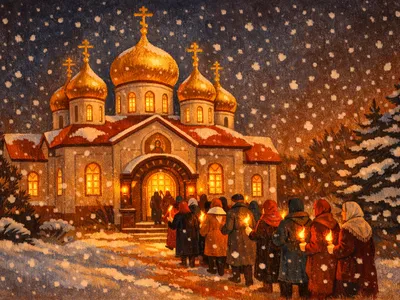

Christmas in Serbia
Serbian Christmas falls on January 7, following the Julian calendar of the Serbian Orthodox Church. The celebration centers on the Badnjak, an oak branch burned on Christmas Eve, and a deeply ritualized family gathering. Serbia is one of the few European countries where the majority of the population still follows the Julian calendar for Christmas, and the traditions reflect centuries of Orthodox practice intertwined with Slavic folk customs.
Serbian Christmas runs on the Julian calendar, making it one of the few European Christmases that falls on January 7. The date is not a quirk. It reflects the Serbian Orthodox Church's decision to maintain the old calendar for religious observances, a position held with quiet conviction by a church that has been the guardian of Serbian identity through centuries of Ottoman rule, communist suppression, and post-Yugoslav upheaval. The traditions, from the burning of the badnjak oak to the ritual breaking of cesnica bread, carry that weight.
Badnje Vece: The Night of the Oak
On Christmas Eve (January 6), the badnjak, an oak branch or small tree, is brought into the home or to the church. In rural Serbia, the head of the family cuts the oak at dawn, facing east. The branch is decorated with dried fruits and straw and placed by the fireplace. In the evening, it is burned while prayers are said. The fire from the badnjak symbolizes the warmth and light that greeted the newborn Christ in the stable.
In Belgrade and other cities, where few homes have fireplaces, churches hold communal badnjak burning on Christmas Eve. The bonfires at the Temple of Saint Sava, one of the largest Orthodox churches in the world, draw thousands. Straw is scattered on the church floor, recalling the manger.
Christmas Morning Rituals
Christmas Day begins with the polaznik, the first visitor. The polaznik's role is semi-ceremonial: they enter the house, throw a handful of grain while wishing prosperity, and stir the fire. The family greets them with the words 'Hristos se rodi' (Christ is born), and the polaznik responds 'Vaistinu se rodi' (Indeed He is born). The identity of the polaznik matters, and some families arrange for a person believed to bring good fortune to arrive first.
Frequently Asked Questions
Why is Serbian Christmas on January 7?
The Serbian Orthodox Church follows the Julian calendar for religious holidays. December 25 on the Julian calendar corresponds to January 7 on the Gregorian calendar. Serbia has maintained the Julian calendar for Christmas and Easter while using the Gregorian calendar for civil purposes.
What is the badnjak?
The badnjak is an oak branch ceremonially burned on Serbian Christmas Eve (January 6). It symbolizes the warmth and light of the Nativity. In cities, churches hold communal badnjak bonfires. The tradition is one of the most distinctive elements of Serbian Christmas.
Traditions & Customs
Badnjak (Yule Log)
An oak branch or young oak tree is ceremonially cut and brought into the home on Christmas Eve. It is burned in the fireplace, symbolizing warmth and light for the newborn Christ. In cities where fireplaces are rare, churches burn communal badnjak bonfires.
Cesnica (Ritual Bread)
A round bread with a coin hidden inside, baked for Christmas. The family stands around the table, and each person takes a piece. Finding the coin brings good luck. The bread is also rotated three times before breaking.
Three-Day Christmas
Serbian Christmas is a three-day celebration: January 6 (Badnje Vece, Christmas Eve), January 7 (Bozic, Christmas Day), and January 8 (Materice, Mother's Day, when children tie up their mother and demand gifts for her release).
Polaznik (First Visitor)
The first person to visit a Serbian home on Christmas morning is the polaznik (first footer). Their arrival is believed to set the tone for the family's luck in the coming year. The polaznik stirs the fire and throws grain, wishing the family prosperity.
New Year with Deda Mraz
Like Russia, Serbia's main gift-giving is at New Year (December 31), not Christmas. Deda Mraz (Grandfather Frost) brings presents. The tradition was established during the communist era but has been maintained alongside the restored Orthodox Christmas.
Pecenje (Roast Meat)
The Christmas Day meal features roast pork or lamb (pecenje), prepared whole or in large pieces. Sarma (stuffed cabbage rolls) and prebranac (baked beans) accompany the meat.
Christmas Markets
Belgrade New Year Fair
Belgrade's main festive market is associated with New Year rather than Christmas. The Knez Mihailova pedestrian street and Republic Square host stalls, a skating rink, and entertainment through December and January.
Key Dates
Nova Godina (New Year's Eve)
The main secular celebration. Deda Mraz brings gifts. Families gather for dinner. Belgrade hosts one of Europe's largest outdoor New Year celebrations.
Badnje Vece (Christmas Eve)
The badnjak is burned. A vegetarian meal is served. Families prepare cesnica bread. Churches hold evening services and communal bonfires.
Bozic (Christmas Day)
A public holiday. The polaznik (first visitor) arrives. Families gather for pecenje (roast meat). The greeting 'Hristos se rodi' (Christ is born) is answered with 'Vaistinu se rodi' (Indeed He is born).
Materice (Mother's Day)
Children tie up their mother with rope and demand small gifts or treats for her release. The tradition is playful and unique to Serbian Christmas.
Srpska Nova Godina (Serbian New Year)
New Year's Eve according to the Julian calendar. A secondary celebration observed by some families.
Christmas Carols
Rozdestvo Hristovo
Rozdestvo HristovoThe main Serbian Orthodox Christmas hymn, sung at church services on January 7. Its liturgical melody reflects centuries of Serbian Orthodox musical tradition.
Radujte se narodi
Radujte se narodiA joyful Serbian Christmas carol calling all peoples to rejoice. It is one of the most popular carols performed in Serbian homes and churches.