
Ebenezer (1998)
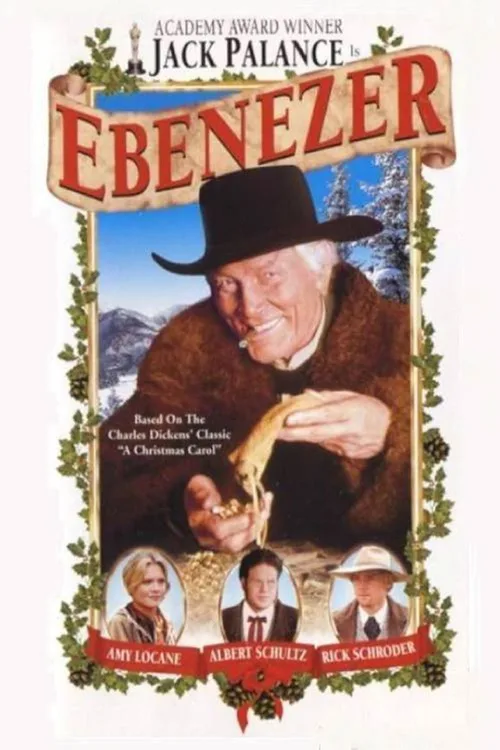
A Wild West retelling of Dickens' 'A Christmas Carol," with Scrooge as a land baron, gunfighter, and card cheat who is visited by three spirits who attempt to teach him the true meaning of Christmas.
 rating 6/10 User rating 7 votes 31%
 ❄ Christmas Connection
Ebenezer is a direct adaptation of Charles Dickens' A Christmas Carol, with all three ghosts, the redemption arc, and Christmas Eve as the central dramatic hinge. The Western setting doesn't soften the holiday bones of the story. Scrooge's transformation happens explicitly on Christmas, and the film leans on the moral weight Dickens attached to the season.
Our Review
In 1998, someone at the CBC looked at A Christmas Carol and thought: what if Scrooge ran a saloon? The result was Ebenezer, a TV movie that transplants Dickens wholesale into the American frontier, complete with spurs, sheriff's badges, and three ghosts who apparently have no trouble finding their way to the Wild West. It should not work. It mostly does.
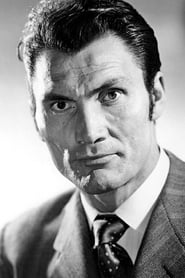
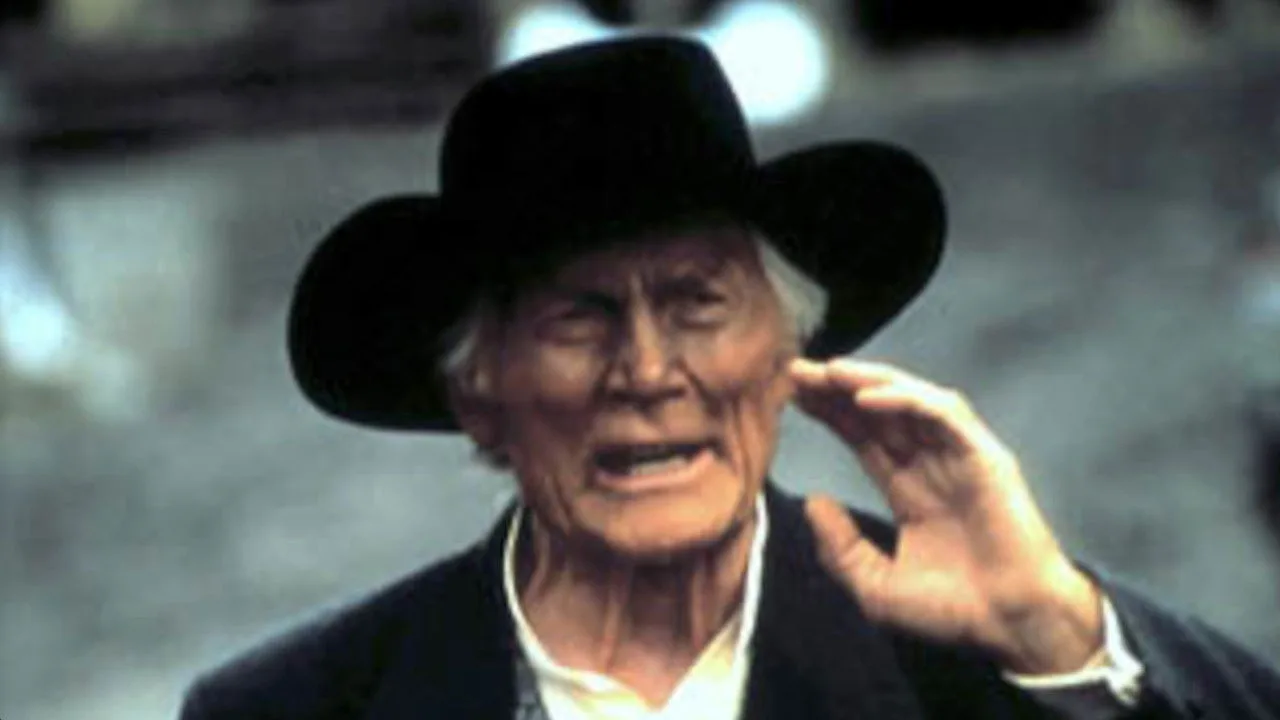
Jack Palance plays Ebenezer Scrooge, here recast as the owner of a frontier saloon who charges desperate miners for water and turns away the destitute with practiced contempt. Palance was 79 years old when this filmed, and he brings the kind of weathered menace that no amount of casting can manufacture. He doesn't chew scenery. He owns it. When Palance stares down a room full of rough men, you believe they'd flinch.
What the Western Setting Actually Changes
Purists might bristle, but moving the story to the frontier is a smarter choice than it first appears. The Victorian London of the original is built on industrial poverty, class rigidity, and the specific cruelties of the 19th century wage system. The American West offers its own version of that: isolated communities, economic desperation, and men with power over those who have none. Scrooge the saloon owner controlling the water supply in a dry frontier town is not a stretch. It's a different dialect of the same story.
The ghosts travel reasonably well across the genre shift. The Ghost of Christmas Past arrives in a suitably eerie fashion, the Ghost of Christmas Present has a warm, large-than-life quality that fits a Western setting, and the Ghost of Christmas Yet to Come is as grim as ever. Director Ken Jubenvill doesn't try to fully "Westernize" the supernatural elements, which is wise. Some things don't need cowboy hats.
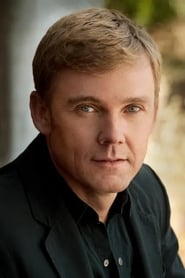
Rick Schroder plays the Bob Cratchit equivalent, and Amy Locane takes the role of the woman tied to Scrooge's past. Neither is given much room to distinguish themselves from the source material, but both are solid enough not to get in Palance's way.
Jack Palance Carrying a TV Movie on His Shoulders
Palance won an Academy Award for Best Supporting Actor for City Slickers in 1992. He spent the next decade proving he could headline films, not just steal them. Ebenezer is a showcase for what he could do with a recognizable role: he doesn't play Scrooge as a cartoon miser. The performance has genuine ugliness in it, a man who has decided the world owes him and acts accordingly.
The transformation arc, which is the entire point of the story, is where Palance earns whatever the CBC paid him. The moment when Scrooge begins to crack is not played as a comic softening. It reads as something closer to grief. For a TV movie with a modest budget and a gimmick premise, that's not nothing.
The production looks like what it is: a late-1990s television movie shot in Canada standing in for the American West. The frontier town is functional rather than convincing. The costumes are adequate. None of this is the draw, and the film knows it. Everything points at Palance.
Is Ebenezer Worth Watching?
It depends entirely on what you want from a Christmas Carol adaptation. If you're looking for the definitive version, Alastair Sim's 1951 Scrooge is still the standard by which all others are measured. If you want something genuinely strange, the 1970 musical with Albert Finney has its defenders. Ebenezer occupies a different category: the curiosity pick, the one you put on when you've seen the others too many times.
The Western angle gives it a specific texture that most adaptations don't have. Scrooge on horseback, haunted by ghosts in the frontier dark, is a genuinely odd image that sticks with you. The film earns its place in the long, occasionally deranged history of A Christmas Carol adaptations on the strength of that image and on Palance's refusal to coast.
It aired once on CBS and vanished into the general murk of late-1990s TV movies. It has since found a small, appreciative audience among people who like their Christmas Carol with dust and moral simplicity. Both are available in the frontier version.
Fun Facts
Jack Palance was 79 years old during production of Ebenezer, making him one of the oldest actors to play Scrooge in a leading role. He had won his Oscar for City Slickers just six years earlier.
The film was directed by Ken Jubenvill, a Canadian television director. Despite its Western American setting, Ebenezer was a Canadian production that aired on CBS in the United States.
Rick Schroder, who plays the Cratchit-equivalent character, was best known at the time for his role as Danny Sorensen on NYPD Blue, which he joined in 1995.
A Christmas Carol has been adapted for film and television more than any other Christmas story. By most counts, there are over 20 direct film adaptations, with dozens more loose retellings. The Dickens novella was first published in December 1843.
The original Dickens novella sold out its first edition of 6,000 copies on the day of publication, December 19, 1843. Dickens wrote it in six weeks while simultaneously serializing Martin Chuzzlewit.
Amy Locane, who plays the romantic interest in Ebenezer, had appeared in John Waters' Cry-Baby (1990) opposite Johnny Depp before transitioning largely to television work in the 1990s.
The Western setting of Ebenezer places it in a small but genuine tradition of genre-shifted Carol adaptations, including the 1988 Bill Murray comedy Scrooged (set in television) and the 1992 Muppet version.
Cast