
Christmas in France
France celebrates Christmas with a culinary intensity that few countries can match. The Reveillon, a lavish late-night feast on Christmas Eve, is the centerpiece of the season. From the 13 desserts of Provence to the Buche de Noel on every table, French Christmas is first and foremost an affair of the table, the cellar, and the patisserie.
Christmas in France is, above all, a meal. The Reveillon de Noel, the late-night feast on December 24, is the most important dinner of the French calendar, outranking even Bastille Day. Where other countries hang their Christmas identity on trees, gifts, or carols, France hangs its on the table: oysters, foie gras, champagne, and a Buche de Noel to finish.
The Reveillon: France's Greatest Meal
The word reveillon comes from reveiller, to wake up, and the meal was originally served after families returned from Midnight Mass. Today, Mass attendance has declined, but the feast endures. A typical Reveillon begins with oysters (France consumes 150,000 tonnes during the holiday season), followed by foie gras, then smoked salmon or lobster.
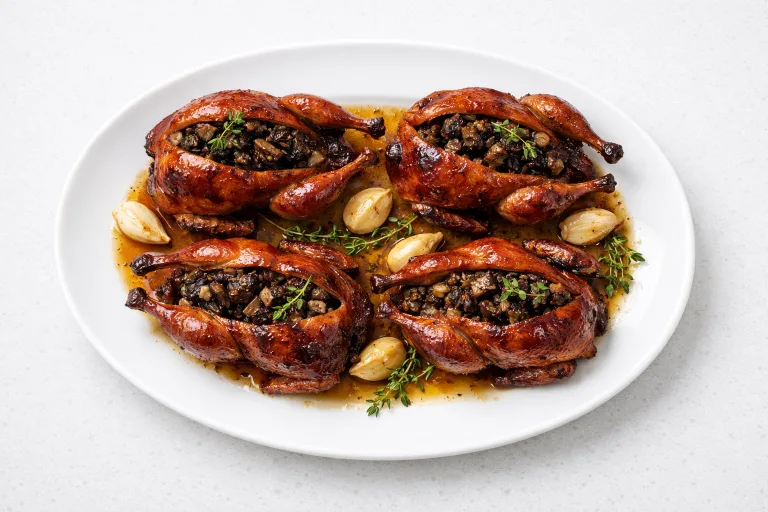
The main course is usually a roasted bird: turkey with chestnut stuffing in most of the country, capon in Burgundy, goose in Alsace. The meal unfolds slowly, with cheese before dessert, as French custom demands. The Buche de Noel closes the evening, and the best tables pour Sauternes alongside it.
The 13 Desserts of Provence
In southeastern France, the number of desserts is not left to chance. Provencal tradition requires exactly 13 on the Christmas table, one for Christ and one for each apostle. The list is codified: dried figs, almonds, walnuts, hazelnuts or raisins (the 'four beggars,' representing four religious orders), white and black nougat, fougasse (olive oil bread), dates, quince paste, grapes, apples or pears, and calissons d'Aix.
The tradition was first recorded in the 17th century but became formalized in the early 20th century when Provencal cultural advocates standardized the list. All 13 desserts must remain on the table for three days.
Regional Differences
France is not one Christmas but several. Alsace, with its German heritage, has the oldest Christmas markets in France. Strasbourg's Christkindelsmaerik has been running since 1570, and Alsatian homes display elaborately decorated trees and serve Bredele (Christmas cookies) in dozens of varieties.
In Provence, the santon tradition produces miniature clay figures representing the entire village, not just the Holy Family. Marseille's Santon Fair, held since 1803, is the largest of its kind. Normandy and Brittany have their own traditions of buckwheat galettes and cider rather than champagne.
Paris, of course, has its own style. The grands magasins (department stores) compete with elaborate window displays on Boulevard Haussmann. Galeries Lafayette and Printemps draw hundreds of thousands of visitors each December to see their animated scenes.
Pere Noel and the Galette
Pere Noel arrived relatively late in French tradition, gaining popularity only in the 19th century as American and British influences spread. He delivers gifts on Christmas Eve, but the French season continues past December 25. On January 6, the Galette des Rois marks Epiphany. The puff pastry filled with frangipane contains a hidden feve, and whoever finds it is crowned king or queen for the day. French bakeries sell an estimated 30 million galettes each January.
Frequently Asked Questions
What is the Reveillon?
The Reveillon is the traditional French Christmas Eve feast, served after Midnight Mass (or in place of it). It is the most important meal of the French holiday season, typically featuring oysters, foie gras, roasted poultry, cheese, and Buche de Noel. The name comes from the French verb reveiller (to wake up).
What are the 13 desserts of Provence?
A Provencal tradition requiring exactly 13 desserts on the Christmas table, representing Christ and the 12 apostles. The standard list includes dried figs, almonds, walnuts, raisins, white nougat, black nougat, fougasse, dates, quince paste, grapes, apples, pears, and calissons. All must remain on the table for three days.
When is the Galette des Rois served?
The Galette des Rois is served on or around January 6 (Epiphany), though French bakeries begin selling them from early January. The puff pastry cake filled with frangipane contains a hidden feve (figurine). Whoever finds it in their slice wears a gold paper crown and is king or queen for the day.
What is a Buche de Noel?
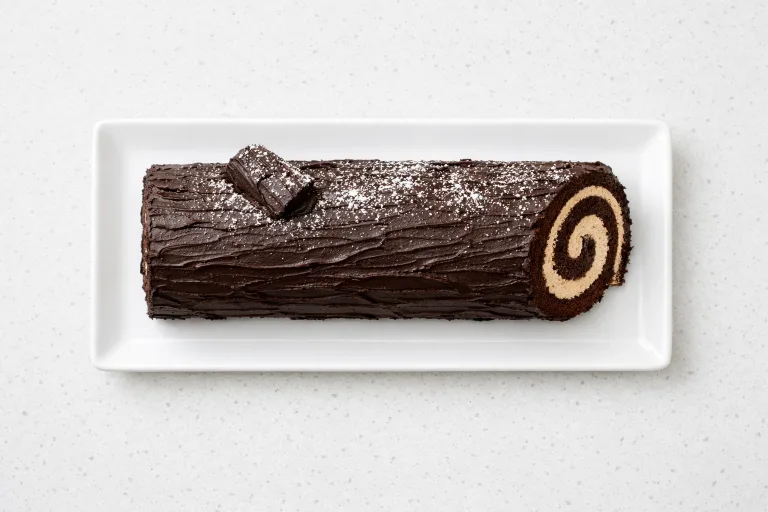
A Buche de Noel (Yule log) is a rolled sponge cake decorated to resemble a log, served as the traditional Christmas dessert. The cake version emerged in the 1870s, replacing the actual log that French families once burned in the fireplace. Modern patissiers create elaborate versions with mousse, meringue, and chocolate decorations.
Does France have Christmas markets?
Yes, particularly in the Alsace region. Strasbourg's Christkindelsmaerik, running since 1570, is the oldest in France and among the oldest in Europe. Colmar, Mulhouse, and Paris also host major markets. Outside Alsace, markets have become increasingly popular across France in recent decades.
Traditions & Customs
Le Reveillon
The Christmas Eve feast is the most important meal of the French year. Families gather after Midnight Mass for a multi-course dinner that can last until the early hours. The menu varies by region but typically includes oysters, foie gras, smoked salmon, and a roasted bird.
Pere Noel
The French Father Christmas travels by donkey rather than reindeer. Children leave their shoes by the fireplace on Christmas Eve, and Pere Noel fills them with gifts and sweets. In some regions, he is accompanied by Pere Fouettard, who punishes naughty children.
13 Desserts of Provence
In Provence, the Christmas table must include exactly 13 desserts, representing Christ and the 12 apostles. These include dried figs, almonds, walnuts, raisins, nougat (white and black), fougasse (olive oil bread), dates, and local fruits. The tradition dates to the 17th century.
Buche de Noel
The Yule log cake served at Christmas across France. Originally a real log burned in the fireplace, it evolved into a rolled sponge cake with chocolate buttercream in the 19th century. Modern patissiers create elaborate versions with mousse, ganache, and sculptural decorations.
Galette des Rois
Served on Epiphany (January 6), this puff pastry cake filled with frangipane (almond cream) contains a hidden feve (charm). Whoever finds it in their slice is crowned king or queen for the day. Bakeries across France sell millions each January.
Santons of Provence
Small hand-painted clay figures used in Provencal nativity scenes. Unlike standard nativity sets, santons include village characters: the baker, the fishmonger, the mayor, the drummer. Marseille's Santon Fair has been held annually since 1803.
La Creche
The nativity scene is a central part of French Christmas, displayed in homes, churches, and public squares. French creches often reflect regional character, with Provencal santons being the most distinctive tradition.
Sabot Tradition
In older French tradition, children placed their sabots (wooden shoes) by the fireplace for Pere Noel to fill with gifts. Though modern shoes have replaced sabots, the custom of leaving footwear by the hearth persists in many households.
Christmas Markets
Strasbourg Christkindelsmaerik
France's oldest and most famous Christmas market, running since 1570. Located in the Alsatian capital, it blends French and German traditions across 12 themed locations. Over 2 million visitors come each year.
Colmar Christmas Markets
The town of Colmar in Alsace hosts six distinct markets spread across its half-timbered old town. Known for its fairytale setting, Colmar is often called the most Christmassy town in France.
Paris Champs-Elysees Market
The Christmas market along the world's most famous avenue features over 100 chalets selling French artisanal goods, food, and decorations. The illuminated trees along the boulevard create a spectacular backdrop.
Key Dates
Saint-Nicolas (Alsace & Lorraine)
In the northeastern regions of Alsace and Lorraine, St. Nicholas visits children on December 6, distributing gingerbread, chocolate, and small gifts. He is sometimes accompanied by the menacing Pere Fouettard.
Reveillon de Noel
Christmas Eve is the main celebration. Families attend Midnight Mass, then gather for the Reveillon feast. The meal is the culinary highlight of the year, featuring multiple courses over several hours.
Noel
A public holiday spent with family. Children open gifts left by Pere Noel. A lighter midday meal follows the excesses of the previous night's Reveillon.
Jour de l'An
New Year's Day is celebrated with another Reveillon on the previous evening, this time typically with friends rather than family. The French consume an estimated 300 million oysters during the holiday season.
Epiphanie
The day of the Galette des Rois. Bakeries begin selling the almond-cream pastry from early January. French households consume an estimated 30 million galettes each year.
Christmas Carols
He Is Born, the Divine Child
Il est ne, le divin EnfantOne of France's oldest Christmas carols, dating to the 18th century. The melody is based on a 17th-century hunting song. It is a staple of French church services and family celebrations.
My Beautiful Fir Tree
Mon beau sapinThe French version of O Tannenbaum, widely sung across the country. Though the melody is German, the French lyrics have become so established that many consider it a French carol.
Little Papa Christmas
Petit Papa NoelWritten by Raymond Vinci and Henri Martinet in 1946, first performed by Tino Rossi. It is the best-selling French single of all time with over 30 million copies sold. Every French child knows it.
Holy Night
Douce Nuit, Sainte NuitThe French adaptation of Silent Night. While the original Austrian melody is unchanged, the French lyrics by Abbe Jean-Francois Rekel have become the standard version sung in French-speaking countries worldwide.