
Christmas in New Zealand
New Zealand celebrates Christmas in the peak of summer, sharing the Australian experience of heat, beaches, and barbecues but with its own Kiwi character. The pohutukawa tree, blooming crimson in December, serves as the natural Christmas tree. Maori cultural elements blend with British traditions, and the Boxing Day cricket test is replaced by camping trips to the coast.
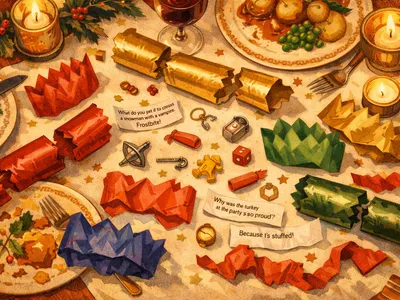
New Zealand does Christmas in a way that is unmistakably Kiwi. The pohutukawa trees blaze crimson along the coast. Families pack the car and drive to a bach (beach house) or campground. The barbecue replaces the oven, crayfish replaces turkey, and Santa arrives not by sleigh but by boat, surfboard, or helicopter, depending on the town. It is a Christmas shaped by summer, the Pacific, and a culture that values time outdoors above almost everything else.
The Pohutukawa: New Zealand's Christmas Tree
The pohutukawa (Metrosideros excelsa) is a coastal tree native to New Zealand's North Island. In December, it explodes into crimson bloom, and New Zealanders call it the Christmas tree. The connection is not forced. The timing is perfect. The bright red flowers against dark green foliage and a blue summer sky create a color palette that needs no tinsel. Pohutukawa appear on Christmas cards, stamps, and decorations throughout the country.
Summer Christmas, Kiwi Style
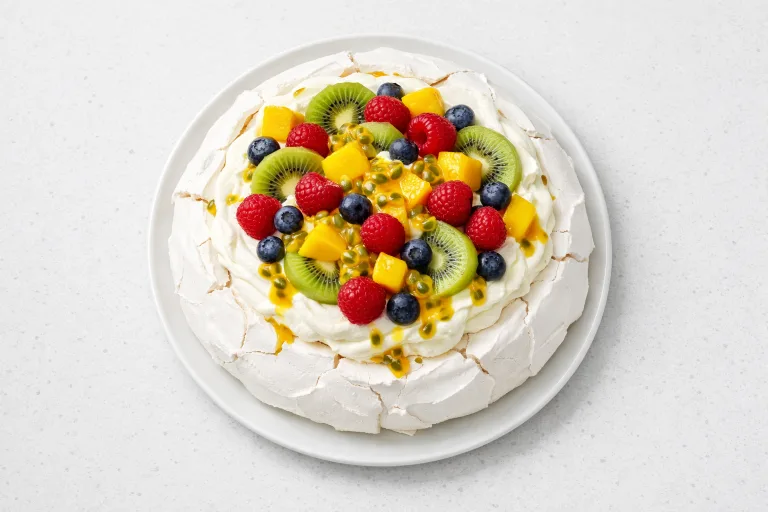
Christmas Day in New Zealand falls near the summer solstice. Temperatures in Auckland and Wellington hover around 20-25 C. The meal reflects this: cold crayfish, smoked salmon, green-lipped mussels, lamb on the barbecue, fresh salads, and pavlova piled with strawberries, kiwifruit, and passionfruit. Some families still roast a ham or turkey, but the shift to lighter, outdoor-friendly food has been underway for decades.
The week between Christmas and New Year is the great Kiwi exodus. Highways fill with cars towing boats and loaded with camping gear. Coastal campgrounds, booked months in advance, become temporary villages. For many New Zealanders, the Christmas holiday is less about December 25 itself and more about the week of swimming, fishing, and tramping that follows.
Maori and Pakeha Traditions
New Zealand's bicultural identity shapes its Christmas. Maori communities gather at marae (traditional meeting grounds) for Christmas services that blend Christian hymns with waiata (Maori songs) and karakia (prayers). The communal hangi (earth oven feast) serves as the Christmas meal in many Maori families, with food cooked underground for hours.
The carol 'A Pukeko in a Ponga Tree,' a Kiwi parody of the 'Twelve Days of Christmas,' has become an unofficial national Christmas anthem. Written by Kingi Ihaka, it replaces lords-a-leaping with Maori warriors and turtle doves with tui birds. It captures the playful, self-deprecating humor that New Zealanders bring to everything, including Christmas.
Frequently Asked Questions
What is a pohutukawa?
The pohutukawa is a native New Zealand tree that blooms bright crimson in December, earning it the name 'New Zealand Christmas tree.' It grows primarily along the coast of the North Island and has become the country's most recognizable Christmas symbol.
What do New Zealanders eat at Christmas?
A typical Kiwi Christmas meal includes crayfish, green-lipped mussels, barbecued lamb, smoked salmon, fresh salads, and pavlova with seasonal fruit. Some families still serve a traditional roast, but outdoor-friendly food dominates. The meal is often eaten at a bach or campground rather than at home.
What is Meri Kirihimete?
Meri Kirihimete is 'Merry Christmas' in te reo Maori, the Maori language. It is increasingly used alongside the English greeting, reflecting New Zealand's bicultural identity. Carols are also sung in te reo Maori in many churches and community gatherings.
Traditions & Customs
Pohutukawa Christmas Tree
The pohutukawa tree, native to New Zealand, blooms bright crimson in December and is known as the New Zealand Christmas tree. Its flowers appear on Christmas cards, decorations, and in gardens across the country.
Beach and Camping Christmas
Many Kiwi families spend Christmas at a bach (holiday home) or campground by the coast. The week between Christmas and New Year is the peak holiday period, with families camping, fishing, and swimming.
Christmas Barbecue
Like Australia, the Christmas BBQ is common. New Zealand's version features lamb (the country has more sheep than people), crayfish, green-lipped mussels, and locally caught fish alongside the traditional pavlova.
Maori Christmas
Maori communities celebrate Christmas with a blend of Christian and Maori traditions. Church services incorporate te reo Maori (Maori language), and communal gatherings at marae (meeting grounds) bring extended whanau (family) together for shared meals.
Boxing Day Outdoors
December 26 is spent outdoors. Unlike Australia's cricket focus, Kiwis tend to head for the beach, go tramping (hiking), or start their summer camping holiday. The Boxing Day sales are less prominent than in Australia or the UK.
Christmas Markets
Christchurch Christmas Market
New Zealand's 'Christmas city' by name hosts markets and events throughout December. The city's post-earthquake rebuild has created modern public spaces that serve as festive gathering points.
Key Dates
Christmas Day
A public holiday. Families gather for a midday meal that may be a traditional roast or a BBQ. Gifts are opened in the morning. Many families leave for their summer holiday immediately after.
Boxing Day
A public holiday. Most Kiwis spend it outdoors at the beach, camping, or hiking. The week between Christmas and New Year is the main summer holiday period.
Christmas Carols
Te Harinui (Joy to the World)
Te HarinuiThe Maori-language version of Joy to the World, sung in churches and community gatherings. Singing carols in te reo Maori is a distinctly New Zealand tradition.
A Pukeko in a Ponga Tree
A humorous New Zealand version of 'Twelve Days of Christmas,' replacing the partridge with a pukeko (native bird) and the pear tree with a ponga (tree fern). Written by Kingi Ihaka, it is a beloved Kiwi Christmas song.