
Christmas in Austria
Austria shares many Christmas traditions with its German neighbor but adds its own alpine flair. The Christkind brings gifts on Christmas Eve, Krampus roams the streets on December 5, and the country that gave the world Silent Night celebrates the season with a reverence for music, markets, and mountain villages dusted in snow.
Austria occupies a unique position in Christmas history. This is the country where Silent Night was first sung, where Krampus still terrorizes children on December 5, and where the Christkindlmarkt tradition has been running since the Middle Ages. Austrian Christmas blends the refined (Vienna Boys' Choir, Mozart concerts, Sachertorte) with the primal (Krampus runs, Rauhnachte bonfires, alpine folklore). The result is a holiday season that feels both elegant and wild.
Krampus: Austria's Dark Christmas Tradition
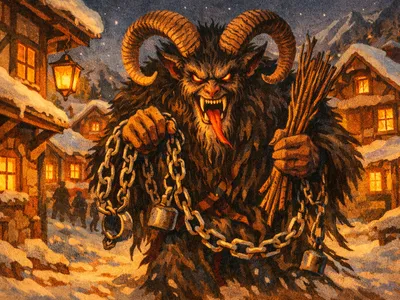
On the evening of December 5, groups of young men in hand-carved wooden masks and shaggy fur suits run through Austrian towns, chasing onlookers with birch switches and rattling chains. This is the Krampuslauf, and it is not a quaint folk reenactment. The costumes are genuinely frightening, the performers are loud and physical, and small children are routinely reduced to tears.
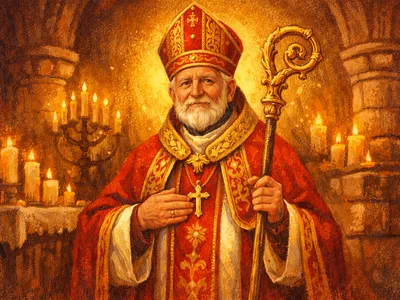
Krampus is the companion of St. Nicholas, punishing naughty children while the saint rewards good ones. The tradition has pre-Christian roots in alpine pagan customs, and the Church tried to suppress it several times without success. In recent decades, Krampus has experienced a global revival, but Austria remains the heartland. The largest runs in Salzburg attract hundreds of Krampus performers and thousands of spectators.
Silent Night: Born in Austria
On December 24, 1818, in the church of St. Nicholas in Oberndorf bei Salzburg, priest Joseph Mohr and organist Franz Xaver Gruber performed a new composition for the first time. The organ had broken, so the song was accompanied by guitar. It was called Stille Nacht. Two centuries later, it has been translated into over 300 languages and declared an intangible cultural heritage by UNESCO in 2011.
The original church was demolished due to flooding, but a memorial chapel, the Stille Nacht Kapelle, stands on the site. Every Christmas Eve, visitors gather there for a commemorative service. The Salzburg region has built an entire tourist route around the song, linking sites associated with Mohr and Gruber.
Christmas Markets and Advent
Austrian Christmas markets are older than most. Vienna's market tradition dates to the 13th century, and Salzburg's Christkindlmarkt has records going back to the 15th century. What distinguishes Austrian markets from their German counterparts is the setting: markets in Innsbruck sit beneath snow-capped mountains, Salzburg's stalls fill the square beneath the medieval fortress, and Vienna's Rathausplatz glows against the neo-Gothic City Hall.
The Advent season in Austria is intensely musical. Salzburg, as Mozart's birthplace, hosts hundreds of concerts. Vienna's State Opera, Musikverein, and Konzerthaus all program Christmas performances. Even small village churches hold Advent concerts with local choirs and brass ensembles.
Food and Traditions
Christmas Eve dinner in Austria is traditionally simple: carp or Wuerstchen with potato salad, echoing the German custom. The grand meal comes on December 25, when families serve roast goose, Wiener Schnitzel, or Schweinsbraten (roast pork) with Knoedel (dumplings).
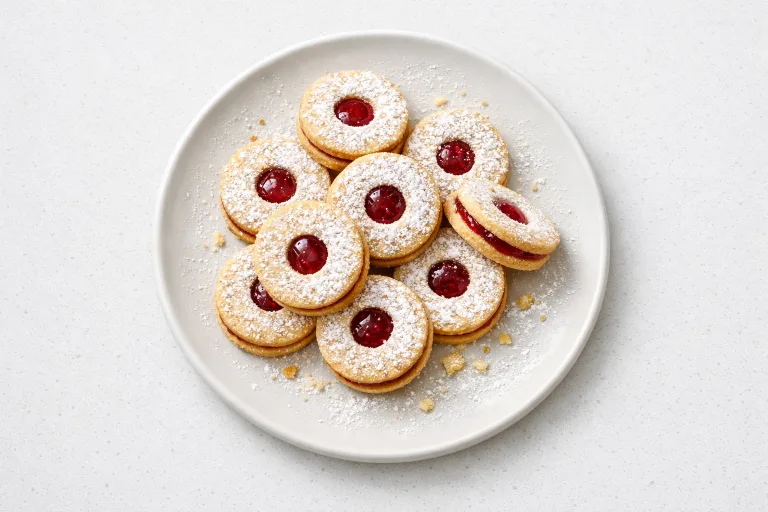
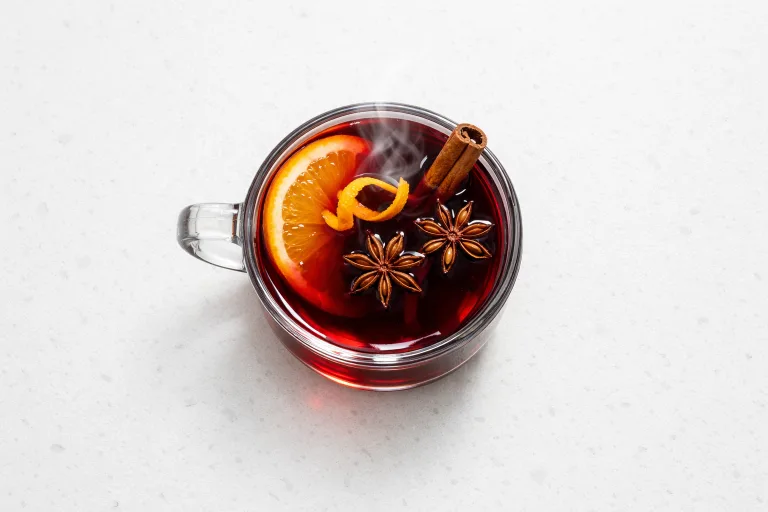
Austrian Christmas baking is exceptional. Vanillekipferl (vanilla crescents), Linzer Augen (jam-filled cookies), and Lebkuchen fill every household's cookie tins. The Sachertorte, while not strictly seasonal, appears on many Christmas tables. And Gluehwein, served at every market stand, is consumed in quantities that would alarm a cardiologist.
Frequently Asked Questions
What is Krampus?
Krampus is a horned, fur-covered figure from alpine folklore who accompanies St. Nicholas on December 5. While St. Nicholas rewards good children, Krampus punishes the naughty ones. Krampuslauf (Krampus runs) are major events across Austria, particularly in Salzburg and Tyrol. The tradition has pre-Christian roots.
Where was Silent Night first performed?
Silent Night (Stille Nacht) was first performed on December 24, 1818, at St. Nicholas Church in Oberndorf bei Salzburg, Austria. It was composed by Franz Xaver Gruber (music) and Joseph Mohr (lyrics). A memorial chapel, the Stille Nacht Kapelle, now stands on the site.
When is Christmas celebrated in Austria?
The main celebration is Heiliger Abend (Christmas Eve) on December 24. The Christkind brings gifts, families share dinner, and many attend Midnight Mass. December 25 and 26 are both public holidays for family gatherings and festive meals.
What are Austrian Christmas markets like?
Austrian markets are among the oldest in Europe, with Vienna's dating to the 13th century. They feature handcrafted ornaments, Gluehwein, Lebkuchen, and regional specialties. The alpine settings in Salzburg, Innsbruck, and Hallstatt make them some of the most scenic in the world.
Traditions & Customs
Krampus Night (December 5)
The evening before St. Nicholas Day, Krampus, a horned, fur-covered beast, runs through the streets punishing naughty children. Krampuslauf (Krampus runs) are a major event in Salzburg, Tyrol, and across alpine Austria. The tradition predates Christianity.
Christkind
The Christ Child brings gifts on Christmas Eve in Austria. Unlike in northern Germany where the Weihnachtsmann competes, the Christkind reigns unchallenged here. A golden-winged figure opens the Christkindlmarkt in Vienna each year.
Advent Concerts
Austria's musical heritage shines during Advent. Salzburg, Vienna, and Innsbruck host hundreds of classical concerts, choir performances, and organ recitals throughout December. The Vienna Boys' Choir performs a special Christmas program.
Rauhnachte (Rough Nights)
The twelve nights between Christmas and Epiphany are believed to be when spirits walk the earth. In rural Austria, farmers bless their homes with incense, and bonfires are lit to ward off evil. The tradition is strongest in Tyrol and Salzburg.
Christmas Eve Dinner
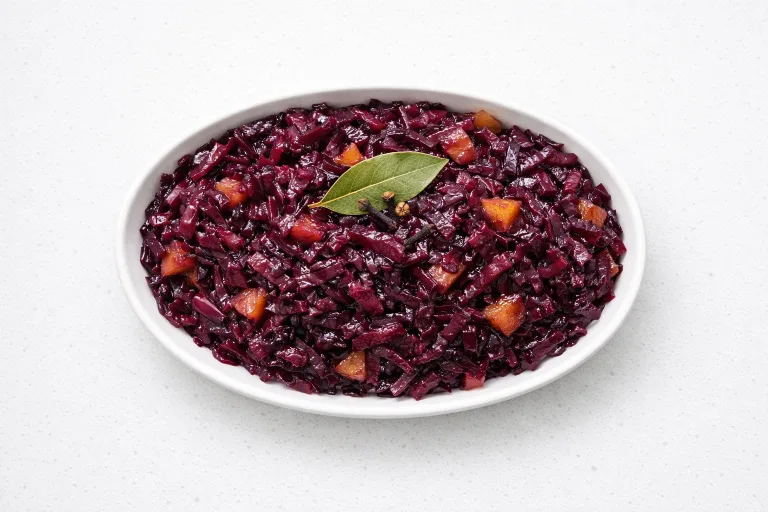
Austrian families traditionally eat carp or a simple meal on Christmas Eve before attending Midnight Mass. December 25 brings the grand feast: roast goose, Wiener Schnitzel, or roast pork with dumplings and red cabbage.
Silent Night Chapel
The Stille Nacht Kapelle in Oberndorf bei Salzburg marks where Silent Night was first performed on December 24, 1818. The chapel draws thousands of visitors each Christmas Eve for a commemorative service.
Christmas Markets
Vienna Christkindlmarkt
Set in front of the Rathaus (City Hall), Vienna's main market has over 150 stalls and dates back to the 13th century. The illuminated facade of the Rathaus creates one of Europe's most photogenic market settings.
Salzburg Christkindlmarkt
Held beneath the Hohensalzburg Fortress on the Domplatz and Residenzplatz, this market has been running since the 15th century. The setting in Mozart's birthplace adds to its cultural weight.
Innsbruck Christmas Markets
Multiple markets fill the Tyrolean capital, with the main one in the medieval Altstadt beneath the Golden Roof. The mountain backdrop makes it one of the most scenic markets in the Alps.
Key Dates
Krampusnacht
Krampus runs take place across Austria, with costumed figures chasing and frightening onlookers. The largest events are in Salzburg and Tyrol.
Nikolaustag
St. Nicholas visits children with gifts and sweets. In Austria, he is always accompanied by Krampus, creating a good cop/bad cop dynamic unique to the alpine tradition.
Heiliger Abend
Christmas Eve is the main celebration. Families gather for dinner, the Christkind brings gifts, and many attend Midnight Mass. The tree is revealed and lit for the first time.
Christmas Days
Both are public holidays. December 25 features the main festive meal. December 26 (Stefanitag) is for visiting family and friends.
Heilige Drei Koenige
Epiphany is a public holiday. Sternsinger (star singers) go door-to-door, and the Christmas season officially ends.
Christmas Carols
Silent Night
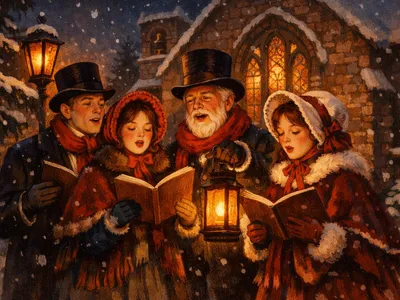
Stille NachtComposed in 1818 by Franz Xaver Gruber (music) and Joseph Mohr (lyrics) in Oberndorf bei Salzburg. It has been translated into over 300 languages and is the most recorded Christmas song in history.
O Christmas Tree
O TannenbaumWidely sung in Austria in the same German-language version as in Germany. The carol is a staple of Austrian Christmas celebrations.
Still, Still, Still
Still, Still, StillA traditional Austrian lullaby from the Salzburg region, dating to the early 19th century. Its gentle melody makes it one of the most recognizable Austrian contributions to Christmas music.