
Christmas in Sweden
Sweden's Christmas season begins on December 13 with the ethereal St. Lucia procession and peaks on Julafton (Christmas Eve) with the Julbord feast and the nation's most sacred tradition: watching Donald Duck at 3 PM. In a country where winter darkness lasts 18 hours a day, Jul is an extended celebration of light, warmth, and herring.
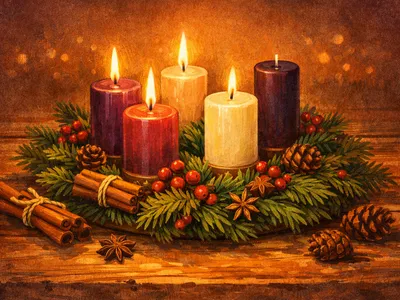
Swedish Christmas, or Jul, is shaped by darkness. In December, Stockholm gets about six hours of daylight. In the far north, the sun does not rise at all. Against this backdrop, Swedes have built a Christmas season that is fundamentally about light: candles in every window, Lucia crowns of flame, Advent stars glowing in the darkness. The entire month is an argument against winter.
St. Lucia: The Festival of Light
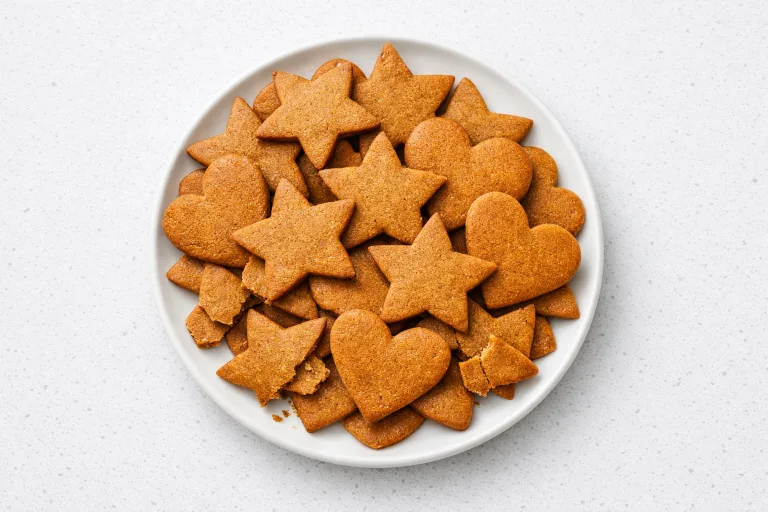
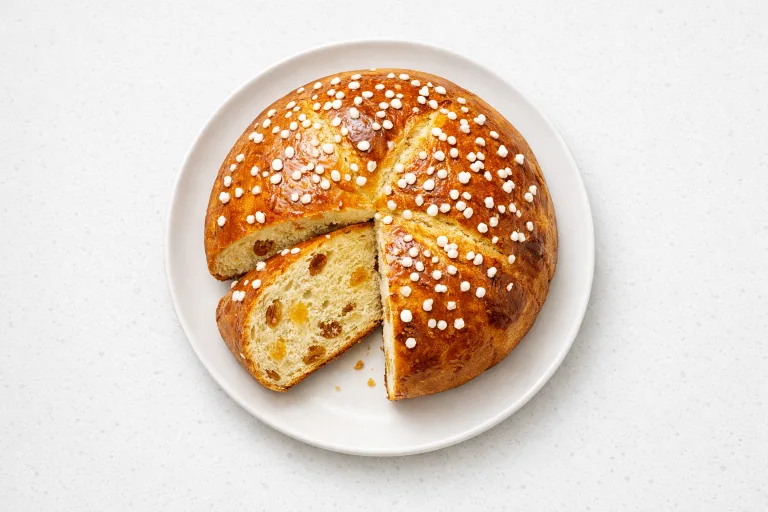
On December 13, Sweden celebrates Luciadagen with a ritual unlike anything else in the Christian world. The eldest daughter of the family rises before dawn, dresses in a white gown with a red sash, and places a crown of lit candles on her head. She serves her family coffee, lussekatter (saffron buns), and gingerbread in bed.
The tradition draws from multiple sources: the Sicilian martyr St. Lucia, whose name means 'light'; the old Julian calendar, on which December 13 was the longest night of the year; and Swedish folk belief that the Lucia night was when supernatural beings walked the earth. Schools, offices, and churches hold their own processions, and a national Lucia is crowned on television each year.
The Julbord and the Sacred Duck
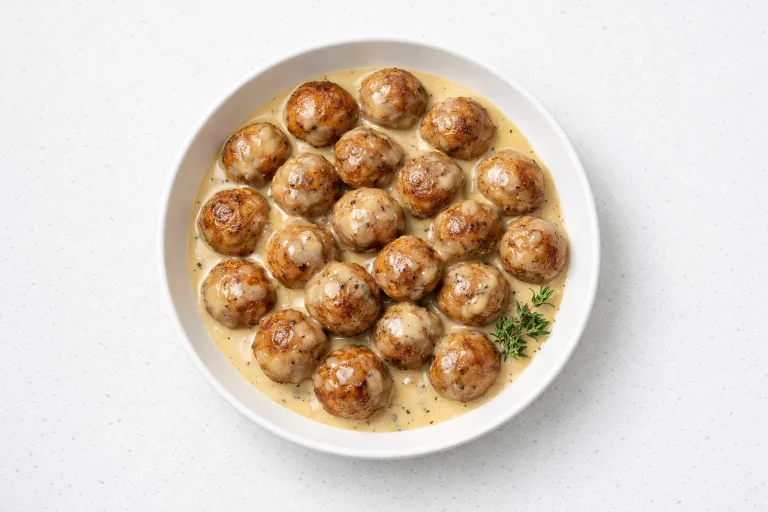
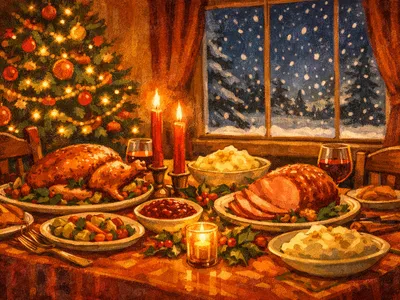
Christmas Eve is the main event. The Julbord, Sweden's Christmas buffet, is one of Europe's great feasts. It unfolds in waves: first cold dishes (pickled herring in multiple sauces, gravlax, cold cuts), then warm dishes (meatballs, Janssons Frestelse, Julskinka, and sometimes lutfisk), then cheese and dessert (rice pudding with a hidden almond, the finder of which will marry in the coming year).
At precisely 3 PM, the nation stops eating to watch Donald Duck. The hour-long SVT broadcast of Disney cartoons, airing every Christmas Eve since 1959, draws over 4 million viewers. It is not ironic. It is not nostalgic in a self-aware way. Swedes genuinely love this tradition, and any attempt to change the timeslot or content triggers a national outcry.
Jultomten and Julklapp
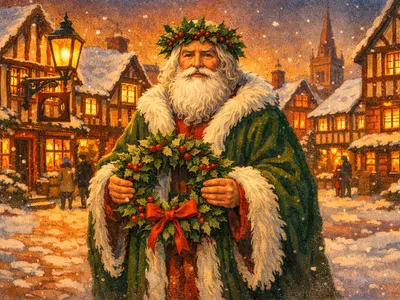
After Donald Duck and the Julbord, Jultomten arrives. In many Swedish families, a family member disappears briefly and returns dressed as the tomte, carrying a sack of gifts. The exchange is called julklapp, from the old custom of knocking on a door and throwing in a gift before running away. Each present comes with a rhyming poem hinting at its contents. Reading these poems aloud is part of the fun.
The Gavle Goat: A National Saga
Since 1966, the city of Gavle has erected a giant straw Julbock (Yule goat) in the town square each Advent. It stands 13 meters tall and weighs 3.6 tonnes. It has been burned down by arsonists at least 29 times. The city installs security cameras, fireproofing, and guards. The vandals keep coming. The goat's survival or destruction each year is reported by international media. In 2005, someone dressed as a gingerbread man set it ablaze. The Gavle Goat has become, inadvertently, one of Sweden's most famous Christmas traditions.
Frequently Asked Questions
Why do Swedes watch Donald Duck on Christmas Eve?
The SVT broadcast of 'Kalle Anka och hans vanner onskar God Jul' (Donald Duck and Friends Wish You a Merry Christmas) has aired every Christmas Eve at 3 PM since 1959. In the early days of Swedish television, Disney specials were rare treats. The tradition stuck. Over 4 million Swedes (40% of the population) still watch it annually.
What is St. Lucia Day?
Celebrated on December 13, Luciadagen is a festival of light honoring St. Lucia, a 4th-century Sicilian martyr. The eldest daughter wears a white gown and a crown of candles, serving coffee and saffron buns to her family. Schools, churches, and workplaces hold processions. It is one of Sweden's most distinctive traditions.
What is a Julbord?
The Julbord is Sweden's Christmas buffet, served on Christmas Eve. It features pickled herring, gravlax, meatballs, Julskinka (ham), Janssons Frestelse (potato-anchovy casserole), and rice pudding. The meal is eaten in stages over several hours, with cold dishes first, then warm, then dessert.
What happened to the Gavle Goat?
The giant straw Yule goat in Gavle has been burned down at least 29 times since it was first erected in 1966. Despite security cameras, fireproofing, and guards, arsonists keep finding ways to set it ablaze. The goat's fate each year has become international news and an unofficial Swedish Christmas tradition in itself.
What is Julmust?
Julmust is a dark, malty, non-alcoholic Swedish soft drink consumed almost exclusively during the Christmas season. Created by chemist Harry Roberts in 1910, it outsells Coca-Cola in Sweden every December. About 45 million litres are consumed each holiday season.
Traditions & Customs
St. Lucia Day (December 13)
The eldest daughter in the family dresses in a white gown with a crown of candles and wakes the household with coffee, gingerbread, and lussekatter (saffron buns). The tradition honors the 4th-century Sicilian martyr St. Lucia and has been celebrated in Sweden since the 18th century. Schools and workplaces hold their own Lucia processions.
Julbord (Christmas Buffet)
The Swedish Christmas table is a vast smorgasbord served on Christmas Eve. It includes Julskinka (Christmas ham), meatballs, Janssons Frestelse (potato and anchovy casserole), pickled herring in multiple preparations, gravlax, and lutfisk. The meal is set out on a large table and guests serve themselves over several hours.
Donald Duck at 3 PM
Since 1959, the SVT broadcast of 'Kalle Anka och hans vanner onskar God Jul' (Donald Duck and His Friends Wish You a Merry Christmas) on Christmas Eve at 3 PM has become Sweden's most watched annual program. Over 4 million Swedes (40% of the population) tune in every year. Attempts to cancel or reschedule it have been met with public outrage.
Julklapp (Gift Exchange)
Gifts in Sweden are called julklappar (Christmas knocks). The name comes from the old tradition of knocking on a door, throwing in a wrapped gift, and running away before being seen. Each gift comes with a short rhyming poem as a clue to its contents.
Jultomten
The Swedish gift-bringer evolved from the tomte, a gnome-like creature from Scandinavian folklore who protected farmsteads. In the 19th century, the tomte merged with the Santa Claus figure to create Jultomten, who delivers gifts on Christmas Eve, often appearing in person at family gatherings.
Advent Stars and Candles
Swedish homes display lit Advent stars (Adventsstjarnor) in windows throughout December, creating a warm glow visible from the street. The tradition of lighting candles during the darkest weeks of winter is deeply ingrained. Electric Advent candelabras with seven lights are found in nearly every Swedish home.
Glogg
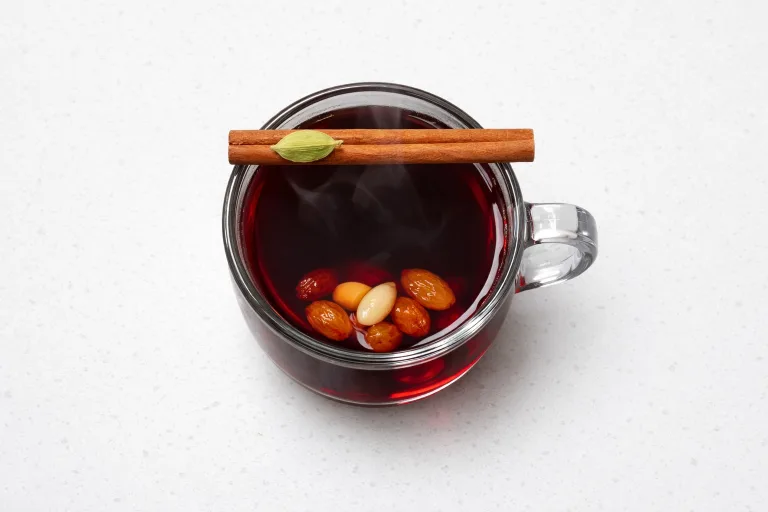
Swedish mulled wine, made with red wine, spices (cinnamon, cardamom, cloves, ginger), almonds, and raisins. Served warm in small cups, glogg is the essential drink of the Advent season. Non-alcoholic versions (julmust) are equally popular and outsell Coca-Cola in Sweden during December.
Julbock (Yule Goat)
The straw goat is one of Sweden's oldest Christmas symbols, predating Christianity. The most famous is the Gavle Goat, a giant straw figure erected in the city of Gavle since 1966. It has been burned down by vandals at least 29 times, becoming an unofficial national sport.
Christmas Markets
Skansen Christmas Market
Held at the historic open-air museum on Djurgarden island in Stockholm, Skansen's market has been running since 1903. Over 150 stalls sell traditional Swedish crafts, food, and decorations. The setting among 19th-century buildings makes it the most atmospheric market in the country.
Liseberg Christmas Market
Sweden's largest amusement park transforms into a Christmas wonderland with over 5 million lights and 80 stalls. Liseberg's Jul market is regularly voted one of the best in Europe. It combines traditional crafts with rides and ice skating.
Gamla Stan Christmas Market
Set in Stockholm's medieval old town (Gamla Stan), this market fills Stortorget square with red wooden stalls selling handicrafts, sweets, and hot glogg. The market has been held on and off since the 16th century.
Key Dates
Luciadagen (St. Lucia Day)
The highlight of the Swedish Advent season. Lucia processions take place in homes, schools, churches, and workplaces. The eldest daughter traditionally leads, wearing a white gown and a crown of candles.
Julafton (Christmas Eve)
The main day of Swedish Christmas. The Julbord feast is served in the afternoon, Donald Duck airs at 3 PM, and Jultomten delivers gifts in the evening. Many families attend a church service (Julotta) in the morning.
Juldagen (Christmas Day)
A quieter day spent recovering from Christmas Eve. Some families attend Julotta, the early morning Christmas service, a tradition dating to medieval times when services began at 4 or 5 AM.
Annandag Jul (Second Christmas Day)
A public holiday typically spent visiting friends and extended family. Sports events, particularly ice hockey, are popular. Many families eat leftovers from the Julbord.
Tjugondag Knut (Knut's Day)
Named after the 11th-century Danish prince Canute IV, this day marks the official end of the Swedish Christmas season. Families 'plunder' the Christmas tree, eating any edible decorations, then discard the tree. Christmas parties (julgransplundring) are held for children.
Christmas Carols
A Thousand Christmas Candles
Nu tandas tusen juleljusWritten by Emmy Kohler in 1898, this is one of Sweden's most beloved Christmas songs. The gentle melody about a thousand Christmas candles being lit captures the Swedish emphasis on light during the dark winter.
Sankta Lucia
Sankta LuciaThe Neapolitan song 'Santa Lucia' adapted with Swedish lyrics by Arvid Rosen in the early 20th century. Sung during the Lucia procession on December 13, it is one of the most recognized Swedish traditions.
Silent Night
Stilla NattThe Swedish version of Silent Night, translated in the 19th century. It is a standard part of the Swedish Christmas repertoire, sung at church services and family gatherings on Christmas Eve.
Christmas, Glorious Christmas
Jul, Jul, Stralande JulWritten by Edvard Evers in 1921, this song celebrates the radiance and warmth of Christmas. Its lyrical quality has made it a favorite at Swedish Christmas concerts and church services.