
Christmas in Australia
Christmas in Australia falls in the middle of summer, which changes everything. December 25 means 35-degree heat, backyard cricket, cold prawns, and Santa in board shorts. Australians kept British traditions but adapted them to a climate that makes mulled wine feel absurd and a beach barbecue feel like the only sensible option.
Christmas in Australia is an exercise in cognitive dissonance. The songs are about snow and sleigh bells. The cards show robins and pine trees. The actual weather is 35 degrees Celsius with a UV index that will burn exposed skin in eight minutes. Australians have spent two centuries negotiating the gap between the inherited European Christmas and the reality of celebrating the birth of Christ in the middle of summer.
How British Christmas Went to the Beach
The first Christmas celebrated by Europeans in Australia was in 1788, less than a year after the First Fleet arrived at Sydney Cove. The early colonists attempted to replicate the English Christmas in full: roast meats, plum pudding, and toasts to the King, all in searing heat. Governor Arthur Phillip served his officers a Christmas dinner of fish, kangaroo, and whatever else the struggling settlement could muster.
For over a century, Australians stubbornly maintained the British template. Roast turkey, Christmas pudding, and mince pies were served in dining rooms without air conditioning, in temperatures that made the food feel punitive. The shift to cold meals, seafood, and outdoor celebrations happened gradually through the mid-20th century, accelerating as Australian culture became more confident in its own identity.
The Modern Australian Christmas
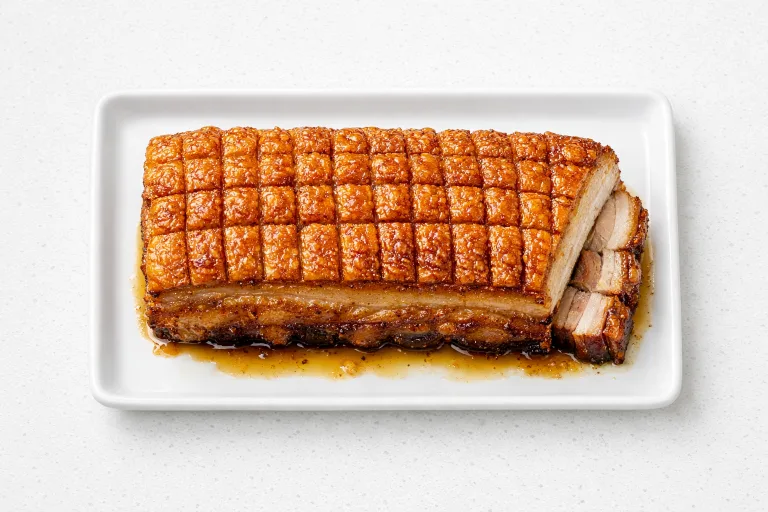
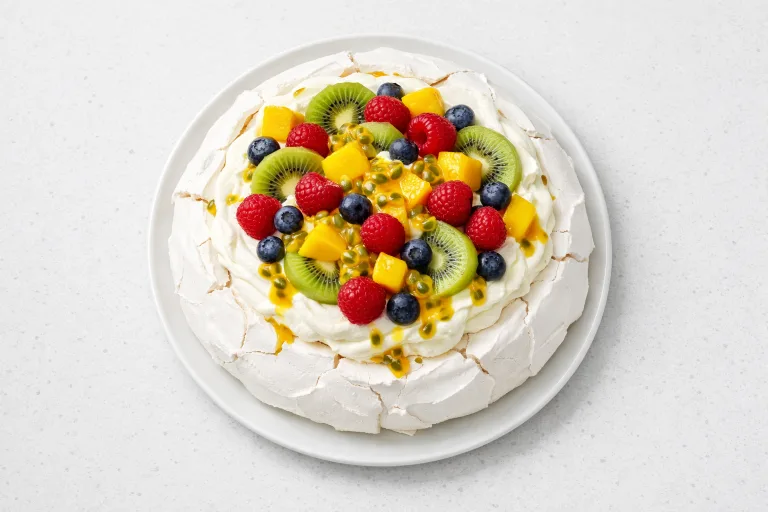
Today, the quintessential Australian Christmas lunch features cold prawns (Australians consume an estimated 45,000 tonnes of prawns during December), a glazed ham, barbecued meats, fresh salads, and pavlova or trifle for dessert. Families eat outdoors whenever possible, in backyards, parks, or at the beach.
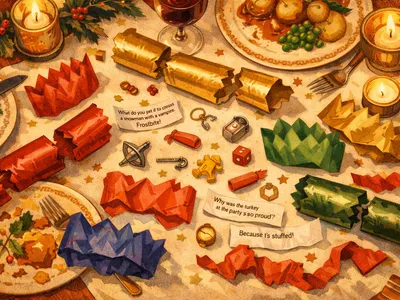
Bondi Beach has become the international symbol of Australian Christmas. On December 25, thousands of Sydneysiders and international backpackers descend on the sand. The scene, endlessly photographed and televised, shows Santa hats and sunscreen, surfboards and Christmas crackers, cold beer and zinc cream. It is the visual opposite of everything a white Christmas is supposed to look like.
Carols by Candlelight
In 1938, Melbourne radio presenter Norman Banks looked out his window on Christmas Eve and saw an elderly woman sitting alone, listening to carols on the radio by the light of a candle. The image moved him to organize the first Carols by Candlelight event at the Alexandra Gardens. Over 10,000 people attended that first year. The tradition spread to every Australian city and many regional towns. The main Melbourne event at the Sidney Myer Music Bowl, broadcast nationally on television, draws over 10,000 attendees and millions of viewers.
Boxing Day: Cricket, Yachts, and Sales
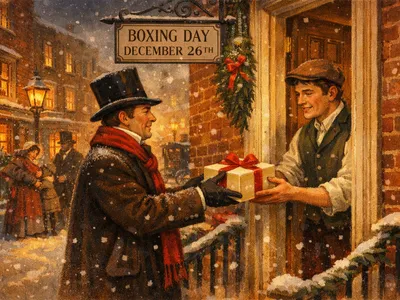
December 26 might be more important to many Australians than December 25. The Boxing Day Test at the Melbourne Cricket Ground is a national institution, with up to 90,000 spectators watching Australia play on the second day of Christmas. In Sydney, the fleet for the Sydney to Hobart yacht race gathers in the harbour, departing at 1 PM to cheers from thousands lining the shoreline. And for the commercially minded, Boxing Day sales offer the biggest discounts of the year.
Frequently Asked Questions
What do Australians eat on Christmas?
The most popular Australian Christmas meal includes cold prawns, glazed ham, barbecued meats, fresh salads, and pavlova or trifle for dessert. While some families still serve a traditional roast, the majority have adapted to the summer climate with cold and outdoor-friendly food. Australians consume an estimated 45,000 tonnes of prawns during December.
What is Carols by Candlelight?
Carols by Candlelight is an Australian tradition started in Melbourne in 1938 by radio presenter Norman Banks. Communities gather outdoors on Christmas Eve to sing carols by candlelight. The largest event at the Sidney Myer Music Bowl in Melbourne is broadcast nationally and draws over 10,000 attendees.
Why do Australians celebrate Christmas in July?
Because December falls in the middle of the Australian summer, many Australians hold a second celebration in July to experience the cozy, cold-weather Christmas depicted in songs, movies, and cards. Hotels and restaurants offer special winter Christmas menus with roast dinners, mulled wine, and fireside settings.
What is the Boxing Day Test?
The Boxing Day Test is an annual cricket match held at the Melbourne Cricket Ground (MCG) starting on December 26. It regularly draws crowds of 70,000 to 90,000 spectators and is one of Australia's most important sporting events. The tradition dates back to 1950.
Is Christmas a public holiday in Australia?
Yes, both December 25 (Christmas Day) and December 26 (Boxing Day) are public holidays across all Australian states and territories. Most businesses close on Christmas Day, though some cafes and petrol stations remain open. Boxing Day is a major shopping day.
Traditions & Customs
Beach Christmas
For many Australians, Christmas Day means the beach. Bondi Beach in Sydney famously fills with thousands of locals and backpackers on December 25. Families set up early to claim their spot, bringing eskies (coolers) full of cold food and drinks.
Carols by Candlelight
Started by radio presenter Norman Banks in Melbourne in 1938, after he saw an elderly woman listening to carols alone by candlelight. The tradition spread across the country. The Sidney Myer Music Bowl in Melbourne now hosts the largest event, broadcast nationally on television with an audience of over 10,000.
Christmas BBQ
The traditional Christmas lunch in Australia is as likely to be a barbecue as a roast. Prawns, sausages, steaks, and cold salads replace the British template of roast turkey and pudding. Many families eat outdoors in the backyard or at a park.
Boxing Day
December 26 is a major holiday. In Melbourne, it marks the start of the Boxing Day Test (cricket) at the MCG, attended by up to 90,000 spectators. In Sydney, the Sydney to Hobart yacht race departs from the harbour. Boxing Day sales also draw massive crowds to shopping centres.
Backyard Cricket
An unofficial but near-universal Australian Christmas tradition. After lunch, families play improvised cricket in the backyard or at the beach, using a wheelie bin as a wicket. Rules are informal, disputes are loud, and participation is expected of all ages.
Christmas in July
Because December is too hot for the cozy winter Christmas that Australians see in movies and songs, many celebrate a second, unofficial Christmas in July. Restaurants offer special menus with roast dinners, mulled wine, and all the cold-weather trimmings that summer Christmas cannot provide.
Christmas Markets
Sydney Christmas Markets
Multiple markets operate across Sydney during December, including those at The Rocks and Martin Place. The Rocks market features handmade crafts, Australian-made gifts, and food stalls, set against the backdrop of the Sydney Opera House and Harbour Bridge.
Queen Victoria Market Christmas
Melbourne's historic Queen Victoria Market hosts a dedicated Christmas shopping program with night markets, cooking demonstrations, and live entertainment. The outdoor setting among heritage sheds has a distinctly Australian atmosphere.
Key Dates
Christmas Eve
Many families attend Carols by Candlelight events in their local area. Last-minute shopping and food preparation dominate the day. Some families open one gift on Christmas Eve.
Christmas Day
A public holiday. Families gather for a midday meal, which may be a traditional roast or a BBQ with prawns, cold ham, and salads. Gifts are opened in the morning. Afternoon activities include swimming, backyard cricket, and napping.
Boxing Day
A public holiday. The Boxing Day Test at the Melbourne Cricket Ground is a national event. The Sydney to Hobart yacht race departs. Boxing Day sales draw huge crowds to shopping centres.
Christmas in July
An unofficial celebration giving Australians the chance to experience a winter Christmas. Hotels, restaurants, and community groups organize roast dinners, open fires, and traditional decorations during the coldest month.
Christmas Carols
Six White Boomers
Written by Rolf Harris in 1960, this Australian Christmas song replaces Santa's reindeer with six white kangaroos (boomers). Despite controversy around its creator, the song remains a beloved Australian Christmas classic.
Christmas Where the Gum Trees Grow
A children's Christmas song that reimagines the holiday in an Australian setting, with eucalyptus trees replacing pines and kookaburras instead of robins. It captures the experience of an Australian summer Christmas.
Aussie Jingle Bells
A parody of the classic Jingle Bells with Australian lyrics featuring a Holden ute, a swagman, and emus instead of horses. Written by Colin Buchanan, it has become a humorous staple of Australian Christmas celebrations.