
Boxing Day: Meaning, History and Traditions
December 26 started as a day for giving to servants and the poor. It became a national holiday, a retail frenzy, and one of the best days in the sporting calendar. Here is how Boxing Day got its name and why it still matters.
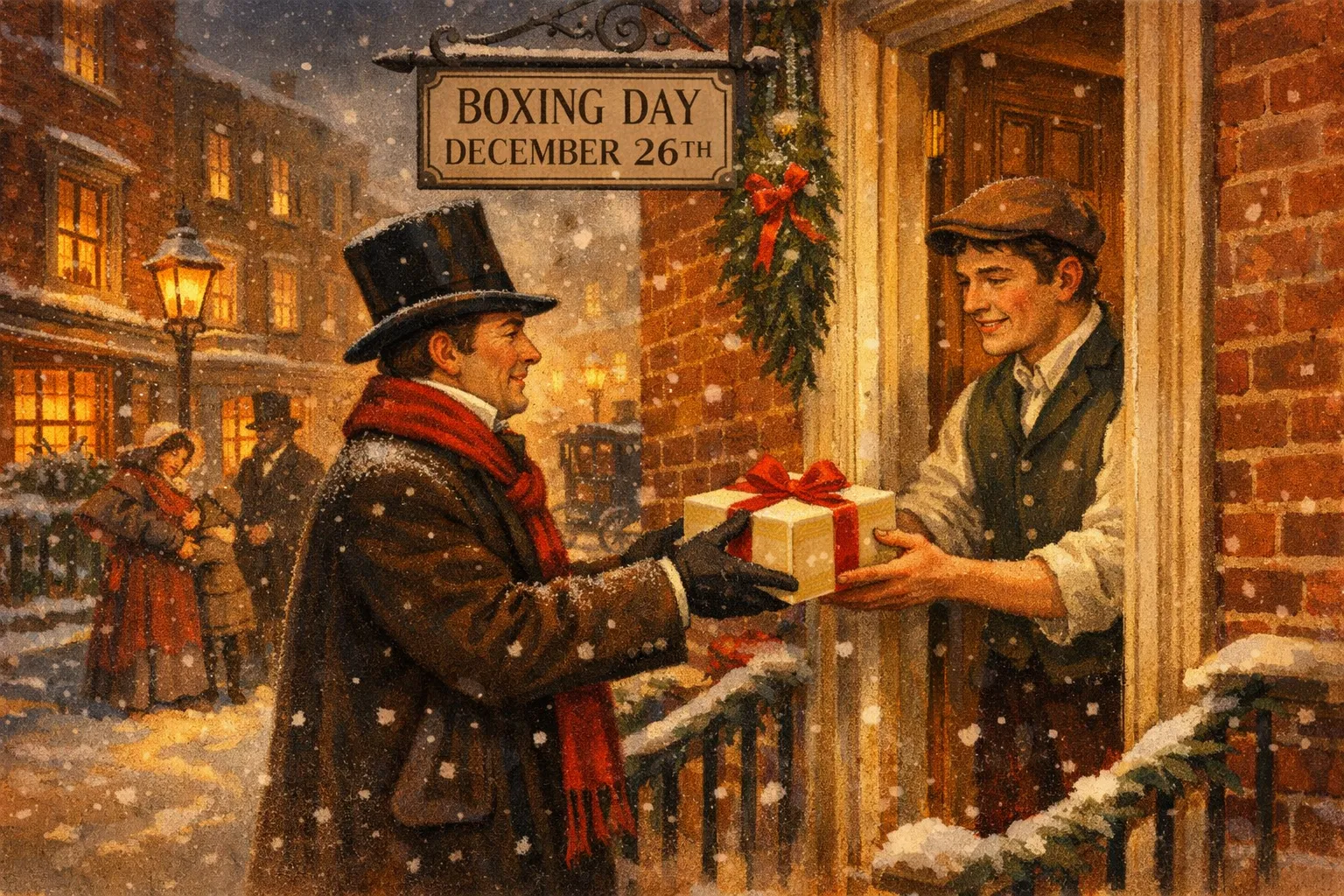
Boxing Day falls on December 26, the day after Christmas. It is a public holiday in the United Kingdom, Canada, Australia, New Zealand, and more than a dozen other nations with roots in the British Commonwealth. The name has nothing to do with the sport of boxing. It comes from the centuries-old practice of giving "Christmas boxes," gifts of money or goods, to servants, tradespeople, and the poor.
Contents
- 1. Why Is It Called Boxing Day?
- 2. The St. Stephen's Day Connection
- 3. How Boxing Day Became a Public Holiday
- 4. Boxing Day Traditions in the UK
- 5. Boxing Day Traditions in Australia and Canada
- 6. Boxing Day Sales: From Charity to Commerce
- 7. Boxing Day Sport: Premier League and Beyond
- 8. Frequently Asked Questions
That single tradition branched into something much larger. Boxing Day now means Premier League football in packed stadiums, Test cricket at the Melbourne Cricket Ground, the Sydney to Hobart yacht race, and billions of pounds spent in retail sales. But the charitable instinct behind the holiday is older than any of those things, and considerably more interesting.
Why Is It Called Boxing Day?
Two theories compete for the origin of the name, and both involve actual boxes.
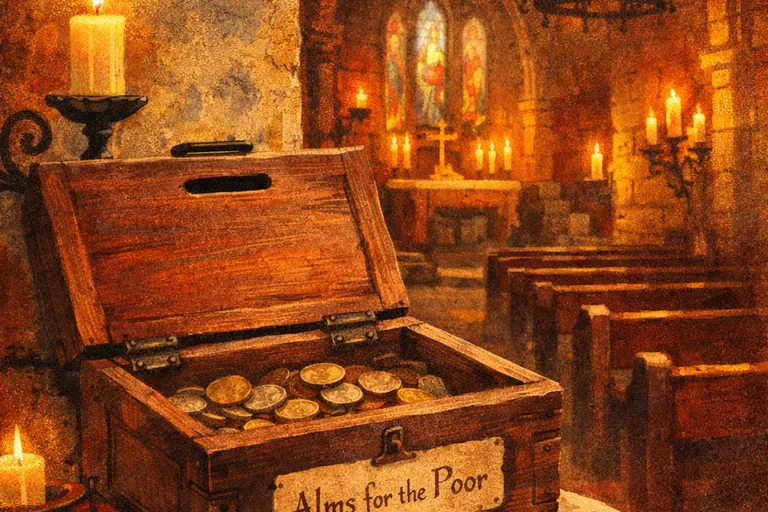
The first points to church alms boxes. Throughout medieval England, parishes kept locked wooden or metal collection boxes near church entrances. Parishioners dropped in coins during the Advent season. On December 26, the Feast of St. Stephen, clergy opened those boxes and distributed the money to widows, orphans, and the poor. The Oxford English Dictionary traces the earliest printed use of "Boxing Day" to 1833, though the practice it describes is far older.
The second theory centers on the servant class. In wealthy British households, domestic staff worked through Christmas Day itself, cooking, serving, and cleaning while their employers celebrated. December 26 became their Christmas. Employers presented servants with boxes containing leftover food, small gifts, or money as thanks for the year's service. Staff then took the afternoon, or the full day, to visit their own families.
These two customs reinforced each other. The church tradition gave the day a religious framework. The servant tradition gave it a social function. By the Victorian era, the second version had become dominant, and the name "Boxing Day" stuck.
The St. Stephen's Day Connection
Before it was Boxing Day, December 26 was the Feast of St. Stephen, and in many countries it still is. Stephen was one of the first deacons of the early Christian church, stoned to death around 36 AD for his beliefs. He is recognized as Christianity's first martyr.
The connection to charity is direct. Stephen was known for ministering to the poor, and his feast day became associated with acts of giving. In Ireland, December 26 is still called St. Stephen's Day, not Boxing Day. The same is true in Italy, Germany, Austria, Croatia, and several other European countries. Northern Ireland, meanwhile, calls it Boxing Day, creating a neat denominational and cultural border on a single island.
The Christmas carol "Good King Wenceslas" is set on the Feast of St. Stephen. Its story of a Bohemian king braving winter weather to bring food and fuel to a poor peasant captures exactly the spirit the day was meant to carry.
How Boxing Day Became a Public Holiday
Boxing Day became an official bank holiday in England, Wales, and Ireland through the Bank Holidays Act of 1871, championed by Liberal politician Sir John Lubbock. The Act designated December 26 as one of four annual bank holidays, alongside Easter Monday, Whit Monday, and the first Monday in August.
Scotland was a notable exception. Boxing Day did not become a Scottish bank holiday until 1974, more than a century later. The original Act reflected regional differences in tradition: Scotland already observed New Year's Day and Hogmanay with greater enthusiasm than any December 26 custom.
The holiday spread through the British Empire. As colonies adopted British legal and cultural frameworks, Boxing Day became embedded in national calendars across the Commonwealth. Today it is a public holiday in Australia (except South Australia, which celebrates Proclamation Day instead), Canada, New Zealand, Hong Kong, Nigeria, Kenya, Trinidad and Tobago, and others.
Boxing Day Traditions in the UK
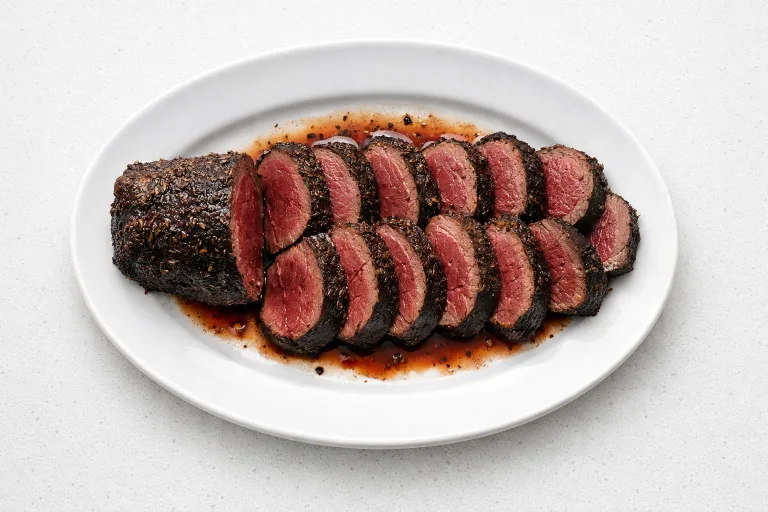
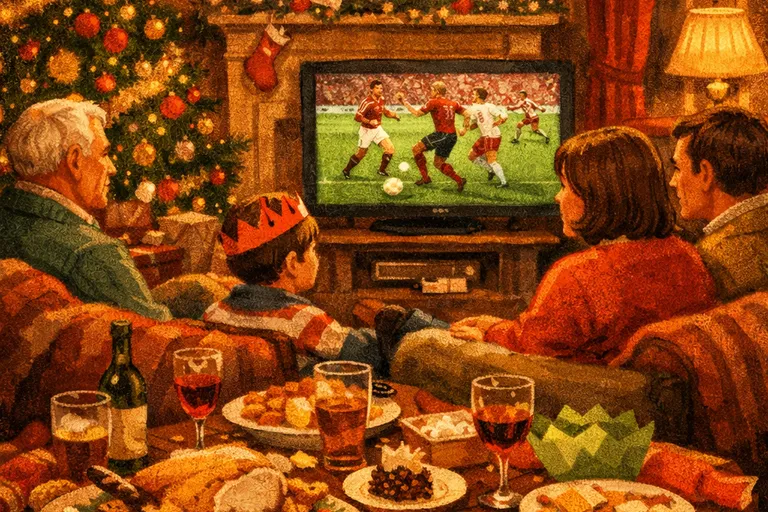
In Britain, Boxing Day is a day for leftovers, family visits, and sport. The traditional Boxing Day meal involves cold cuts from the Christmas turkey, pickles, and whatever survived from the day before. Many families use the day to visit relatives they did not see on Christmas Day itself.
Fox hunting was historically a major Boxing Day tradition in rural England. Hunts would gather on village greens, drawing crowds of spectators. The Hunting Act of 2004 banned hunting with dogs, but "trail hunts" still take place on December 26 across the countryside, and remain a source of heated debate.
Pantomime season is in full swing by Boxing Day, and many families attend their first performance on the 26th. These theatrical productions, loud, audience-participatory, and gleefully absurd, are as British as the holiday itself.
Boxing Day Traditions in Australia and Canada
Australia turned Boxing Day into a summer sporting spectacle. The Boxing Day Test at the Melbourne Cricket Ground has been a fixture since the Australian Cricket Board formalized it in 1980, though cricket matches at the MCG on December 26 date back to 1865. The match regularly draws crowds exceeding 70,000 on the opening day. Since 2020, the Man of the Match receives the Mullagh Medal, named after Indigenous Australian cricketer Johnny Mullagh.
The same day sees the start of the Sydney to Hobart Yacht Race. First held in 1945 with just nine boats, it has grown into one of the world's three premier offshore yacht races. The fleet departs Sydney Harbour at 1:00 PM on Boxing Day, covering 630 nautical miles to Hobart, Tasmania. For many Australians, watching the start is a Boxing Day ritual on par with the cricket.
In Canada, Boxing Day is synonymous with shopping. Before Black Friday migrated north from the United States in the 2010s, December 26 was unambiguously Canada's biggest retail day of the year. That status has eroded somewhat, but Boxing Day and Boxing Week sales remain a cornerstone of Canadian retail culture. Ice hockey also features prominently, with the World Junior Championships often beginning around this date.
Boxing Day Sales: From Charity to Commerce
The transformation of Boxing Day from a day of giving to a day of buying is one of the more striking reversals in holiday history. UK retailers anticipated 3.74 billion pounds in Boxing Day sales for 2025, and up to 12 million shoppers have been recorded hitting the stores on a single December 26.
The sales tradition has some historical logic. January was traditionally when retailers cleared winter stock, and Boxing Day became the unofficial starting gun. Department stores like Harrods and Selfridges built reputations on their Boxing Day events, with queues forming before dawn.
Online shopping has changed the pattern. Many Boxing Day deals now launch at midnight on the 25th or even earlier in the week, blurring the line between Christmas and the commercial aftermath. In Canada, "Boxing Week" has stretched what was once a single day into a multi-day event. Critics note the irony: a holiday born from generosity toward workers now demands that retail staff cut their holidays short.
Boxing Day Sport: Premier League and Beyond
English football on Boxing Day is one of the oldest sporting traditions in the country. When the Football League launched in 1888, organizers recognized that the two-day Christmas holiday was ideal for scheduling matches. Derby County played Bolton Wanderers on Boxing Day that first year. Over 4,000 English league matches have been played on December 26 since then.
Until the 1950s, clubs actually played on Christmas Day as well. The last top-flight match on December 25 was in 1965, when Blackpool beat Blackburn Rovers 4-2. After that, Boxing Day absorbed all the festive football energy.

The Premier League's Boxing Day fixtures became must-watch television around the world. Harry Kane holds the record for most Boxing Day goals with 10. The highest-scoring Boxing Day match in Premier League history was Manchester City's 6-3 victory over Leicester City in 2021. But the tradition has come under pressure from an increasingly congested global football calendar. The 2025 Boxing Day saw just a single Premier League fixture, Manchester United versus Newcastle, a far cry from the traditional full slate of matches.
Horse racing is Boxing Day's other major British sporting draw. The King George VI Chase at Kempton Park, first run in 1937, is one of the most prestigious jumps races in the National Hunt calendar.
Frequently Asked Questions
What is Boxing Day and when is it celebrated?
Boxing Day is a public holiday observed on December 26, the day after Christmas Day. It originated in the United Kingdom and is now celebrated across the Commonwealth, including Canada, Australia, and New Zealand. The holiday has roots in charitable giving to servants and the poor.
Why is it called Boxing Day?
The name comes from the tradition of "Christmas boxes." Churches collected donations in locked alms boxes during Advent and distributed the contents to the poor on December 26. Separately, wealthy households gave boxes of gifts and leftover food to their servants on the same day. Both practices contributed to the name.
Is Boxing Day the same as St. Stephen's Day?
They share the same date, December 26, but they are distinct observances. St. Stephen's Day is a Christian feast honoring the first martyr, celebrated across Europe. Boxing Day is a secular British tradition focused on charitable giving and, more recently, shopping and sport. In Ireland and much of continental Europe, the day is known as St. Stephen's Day rather than Boxing Day.
Do they celebrate Boxing Day in the United States?
Boxing Day is not a public holiday in the United States. The tradition did not take hold in America after independence from Britain. Some US retailers have adopted "Boxing Day sales" in recent years as a marketing concept, but the holiday itself has no official status.
What sports are played on Boxing Day?
The Premier League traditionally schedules a full round of football matches on Boxing Day, a tradition dating to 1888. In Australia, the Boxing Day Test cricket match begins at the Melbourne Cricket Ground and the Sydney to Hobart Yacht Race departs Sydney Harbour. Horse racing at Kempton Park is also a major fixture in Britain.
How big are Boxing Day sales compared to Black Friday?
In the UK, Boxing Day sales were estimated at 3.74 billion pounds in 2025, making it one of the country's biggest retail days. In Canada, Black Friday has overtaken Boxing Day in recent years, generating roughly 50% more revenue. Both remain significant shopping events, though online deals have spread spending across multiple days.