
Christmas in Italy
Italy's Christmas season runs from December 8 to January 6, one of the longest in Europe. The presepe (nativity scene) matters more here than the Christmas tree. And the true star of the holiday is not Babbo Natale but La Befana, the old woman who delivers gifts to children on Epiphany, ten days after the rest of Europe has put its decorations away.
Christmas in Italy is a long, layered affair that begins on December 8 and does not truly end until January 6. Unlike countries where a single day dominates, Italy spreads its celebrations across a month of feast days, family meals, religious observances, and one very famous old woman on a broomstick. The result is a holiday season that feels less like an event and more like a way of life.
St. Francis and the Birth of the Nativity Scene
In 1223, St. Francis of Assisi staged a live nativity in a cave near Greccio, using real animals and local villagers. His goal was to make the Christmas story tangible for ordinary people who could not read Latin scripture. The idea spread rapidly across Italy and then Europe, eventually evolving from live tableaux into the sculpted presepe that Italians display in homes, churches, and town squares.
Naples became the undisputed capital of presepe artistry. Via San Gregorio Armeno, a narrow street in the old city, has been home to nativity artisans for centuries. Neapolitan presepe are famous for including contemporary figures alongside Mary, Joseph, and the shepherds. Politicians, footballers, and celebrities routinely appear in miniature among the biblical characters.
La Vigilia and the Feast of Seven Fishes
Christmas Eve in Italy is La Vigilia, a day of abstinence from meat that culminates in a seafood feast. The tradition of seven fish dishes represents the seven sacraments, though the actual number varies by family. Some serve nine (for the Trinity times three), eleven, or thirteen dishes.
Common dishes include baccala (salt cod), fried calamari, shrimp scampi, clams in white sauce, and the controversial capitone, a large eel roasted or fried. The meal is unhurried, stretching over hours with multiple courses. After dinner, many families attend Messa di Mezzanotte at their local church.
North vs. South: A Country of Regional Traditions
Northern Italy eats tortellini in brodo (meat-filled pasta in broth) on Christmas Day. The South serves lasagna or baked pasta. Milan claims panettone. Verona claims pandoro. The debate over which is superior has no resolution and needs none.
Gift-giving is split too. Babbo Natale (Father Christmas) brings presents on December 25 in most of the country, but in parts of the northeast, Santa Lucia delivers gifts on December 13. And everywhere, La Befana arrives on January 6 to fill stockings one final time, closing the season with candy, small toys, and lumps of coal-shaped sugar for children who were not quite good enough.
La Befana: Italy's Real Christmas Star
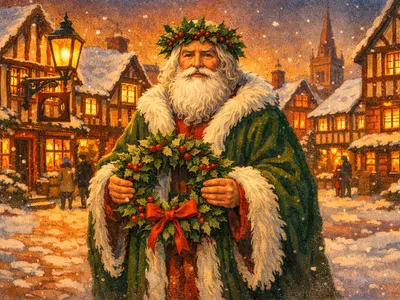
La Befana is unique to Italy and far older than Babbo Natale's Italian career. According to legend, the Three Wise Men stopped at her house on their way to Bethlehem and invited her to join them. She declined, saying she was too busy sweeping. She later changed her mind and set out to find the Christ Child, bringing gifts. She never found him, and so she continues searching, leaving presents for every child just in case.
On the night of January 5, children hang stockings by the fireplace. La Befana fills them with candy and small gifts for good children, and carbone (coal) for naughty ones. The coal is actually black sugar candy, so even the bad kids get something sweet. Her feast on January 6, the Epiphany, is a national holiday.
Frequently Asked Questions
When does Christmas start in Italy?
The Italian Christmas season officially begins on December 8, the Feast of the Immaculate Conception (Festa dell'Immacolata). This is when families set up their presepe (nativity scene) and Christmas tree. The season ends on January 6, Epiphany, when La Befana delivers her gifts.
What is panettone?
Panettone is a dome-shaped sweet bread from Milan, made with candied fruit, raisins, and butter. It originated in the 15th century and became Italy's signature Christmas food. Over 117 million panettone are produced annually. Its rival, pandoro from Verona, is a star-shaped cake dusted with vanilla sugar.
Who is La Befana?
La Befana is a figure from Italian folklore, an old woman who delivers gifts to children on Epiphany (January 6). According to legend, she was invited by the Three Wise Men to visit the newborn Jesus but declined. She has been searching for the child ever since, leaving presents for every child she encounters.
What is the Feast of Seven Fishes?
La Vigilia, or the Feast of Seven Fishes, is a Christmas Eve tradition of serving multiple seafood dishes during a meatless meal. The number seven represents the seven sacraments, though many families serve more dishes. It is observed throughout Italy and by Italian-American communities worldwide.
Do Italians have Christmas markets?
Yes, particularly in northern Italy where Austrian and German influence is strong. Bolzano's market in South Tyrol is the most famous, with over 80 wooden stalls. Rome's Piazza Navona market and Florence's Santa Croce market are also popular. Markets typically run from late November through early January.
Traditions & Customs
La Befana
On the night of January 5, La Befana, a kindly old woman on a broomstick, fills children's stockings with candy and small gifts. According to legend, the Three Wise Men invited her to join them in visiting the newborn Jesus, but she declined. She has been searching for the child ever since.
Presepe (Nativity Scene)
St. Francis of Assisi created the first live nativity scene in Greccio in 1223. Italy takes the presepe more seriously than almost any other country. Naples' Via San Gregorio Armeno is a year-round street of nativity artisans, producing elaborate scenes that include modern figures alongside biblical ones.
Feast of Seven Fishes (La Vigilia)
On Christmas Eve, many Italian and Italian-American families observe La Vigilia, a meatless feast of seafood. The number seven represents the seven sacraments, though some families serve nine, eleven, or thirteen dishes. Fried eel (capitone), baccala, and shrimp are staples.
Tombola
A traditional Italian board game similar to bingo, played during the Christmas holidays. Families gather around the table after dinner to play for small prizes. Each number has a symbolic meaning rooted in Neapolitan culture.
Panettone vs. Pandoro
Italy is divided between panettone (the dome-shaped Milanese bread studded with dried fruit) and pandoro (the Veronese star-shaped cake dusted with vanilla sugar). The rivalry is real. Surveys consistently show the country split roughly 50-50, and Italians take sides passionately.
Midnight Mass (Messa di Mezzanotte)
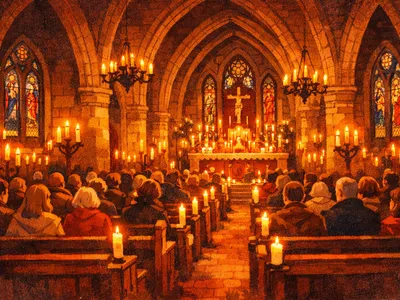
Midnight Mass on Christmas Eve is a major event across Italy. The Pope celebrates Mass at St. Peter's Basilica in Vatican City, broadcast to millions worldwide. In smaller towns, the entire community gathers at the local church.
Zampognari (Bagpipers)
In the days before Christmas, zampognari, shepherds playing traditional bagpipes and flutes, descend from the mountains of southern Italy to play in town squares and before nativity scenes. The tradition dates back centuries and is particularly strong in Calabria and Abruzzo.
Christmas Markets
Piazza Navona Christmas Market
Rome's most famous holiday market fills the baroque piazza with stalls selling presepe figures, sweets, and toys. La Befana is the market's patron figure, and her effigy presides over the festivities through January 6.
Bolzano Christmas Market
Italy's most German-style Christmas market, reflecting South Tyrol's Austrian heritage. Over 80 wooden stalls sell handcrafted ornaments, Tyrolean food, and Gluehwein in the shadow of the Gothic cathedral.
Florence Santa Croce Christmas Market
The Weihnachtsmarkt in Piazza Santa Croce brings a German-style market to the heart of Florence. Over 50 stalls sell artisan crafts, food, and decorations in front of the famous basilica.
Key Dates
Festa dell'Immacolata
The Feast of the Immaculate Conception, a public holiday that marks the official start of the Italian Christmas season. Families traditionally set up their presepe and Christmas tree on this day.
Santa Lucia
In parts of northern Italy, especially Verona and Brescia, Santa Lucia brings gifts to children on the night of December 12. Children leave out cookies and hay for her donkey.
La Vigilia (Christmas Eve)
A day of fasting (traditionally no meat) followed by a seafood feast in the evening. Many families attend Midnight Mass. Gift exchange in some families happens after midnight.
Natale
Christmas Day is spent with family. The midday meal is the main event: tortellini in brodo, roasted meats, and either panettone or pandoro. Babbo Natale brings gifts to children.
Capodanno
New Year's Day. Italians eat lentils for good luck and cotechino (pork sausage) for prosperity. In Naples, the old tradition of throwing unwanted items from windows has been largely replaced by fireworks.
Epifania (Epiphany)
La Befana delivers gifts and candy to children. This is the true end of the Italian Christmas season. A national holiday, it is celebrated with processions, bonfires, and the last of the holiday markets.
Christmas Carols
You Come Down from the Stars
Tu scendi dalle stelleWritten by St. Alphonsus Liguori in 1754 in Naples. It is the most popular Italian Christmas carol, sung at Midnight Mass and family gatherings throughout the country.
Star of Heaven
Astro del CielThe Italian adaptation of Silent Night (Stille Nacht). While the melody is Austrian, the Italian lyrics by Father Angelo Moreschi have their own character and are universally known in Italy.
Sleep, Sleep
Dormi, DormiA traditional Neapolitan lullaby for the infant Jesus, often sung during the novena (nine days of prayer) before Christmas. The gentle melody reflects southern Italian devotional music.
Gesu Bambino
Gesu BambinoWritten by Pietro Yon in 1917, an Italian-American organist at St. Patrick's Cathedral in New York. The hymn has become a concert staple performed by choirs worldwide during the Christmas season.
Traditional Recipes
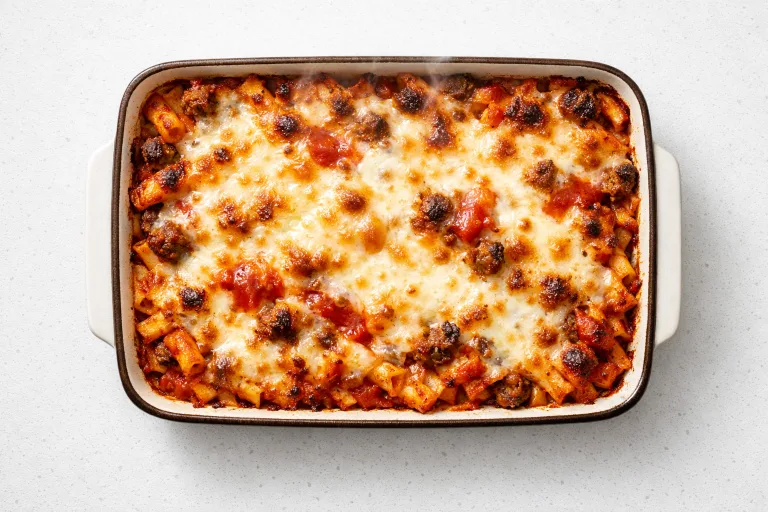
Christmas Baked Ziti
55 min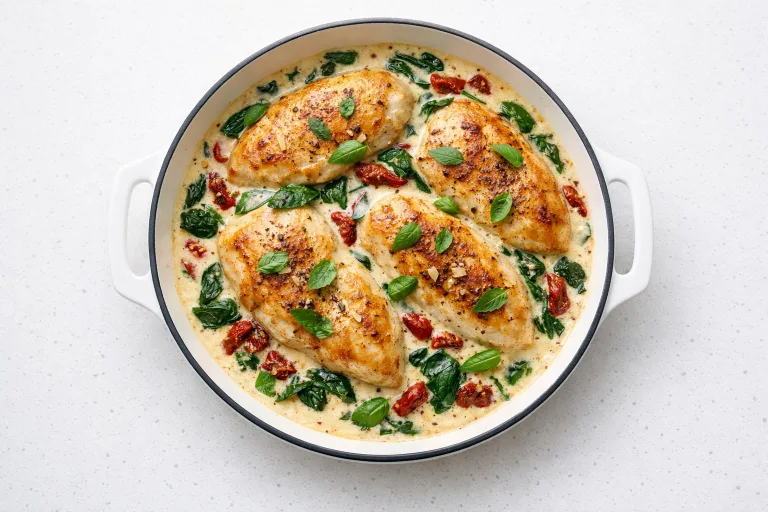
Marry Me Chicken Christmas Recipe
25 min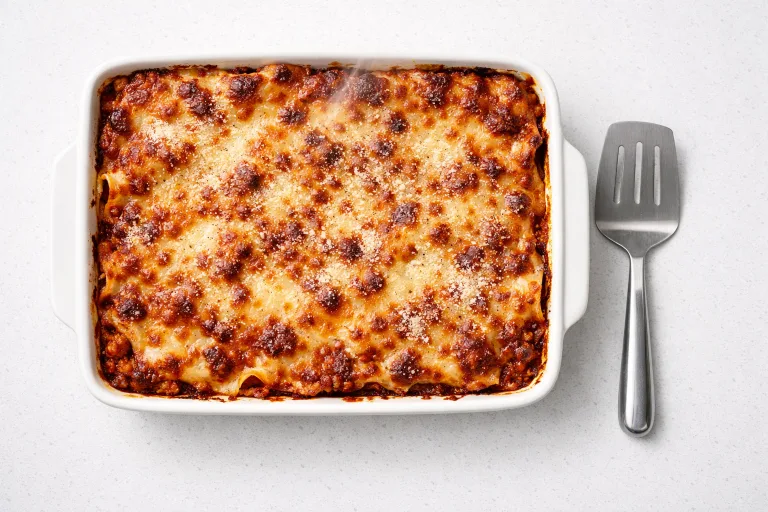
Christmas Lasagna Recipe (Make-Ahead Holiday Comfort)
75 min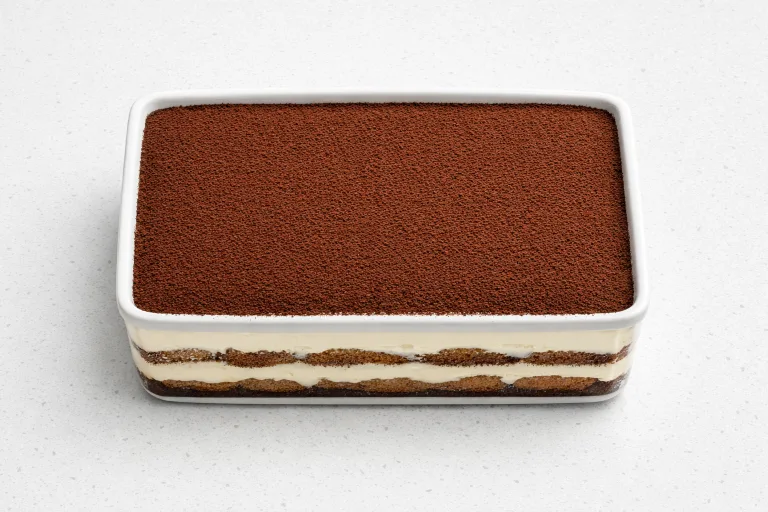
Christmas Tiramisu (Tiramisu di Natale)
30 min prep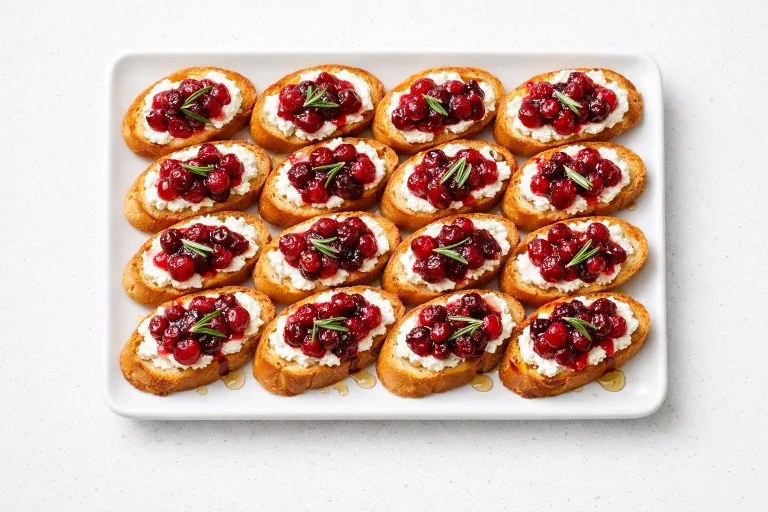
Christmas Bruschetta with Cranberry and Goat Cheese
10 min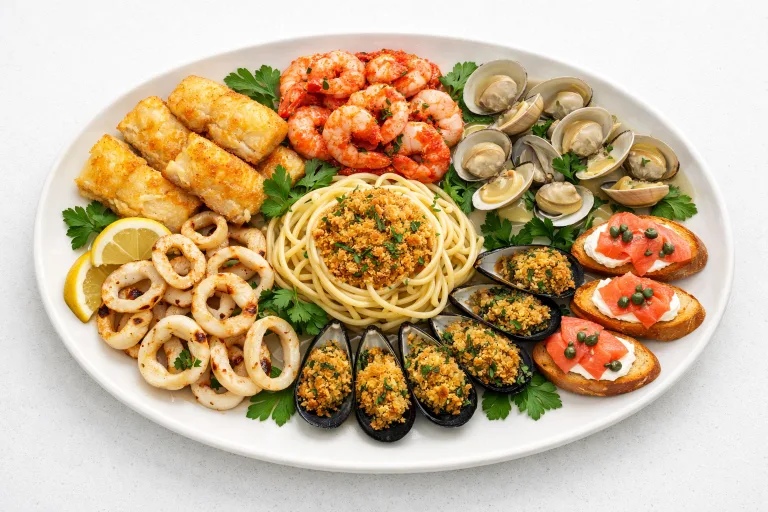
Feast of Seven Fishes: The Complete Italian Christmas Eve Dinner
120 min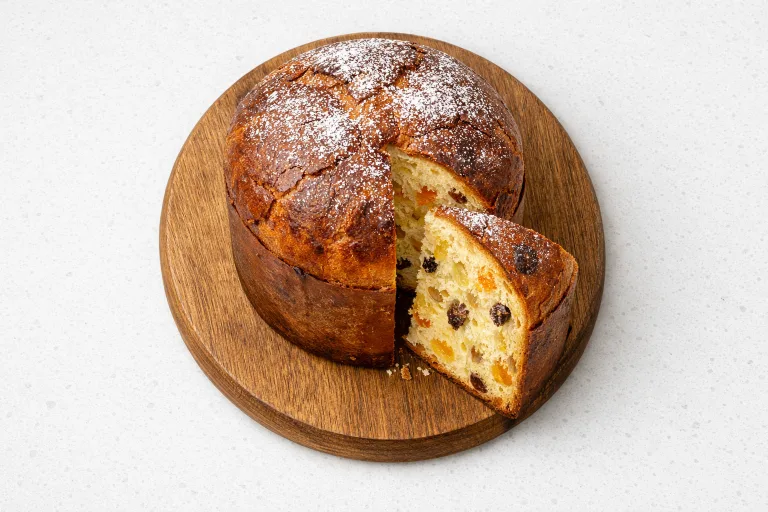
Homemade Panettone (Traditional Italian Christmas Bread)
55 min