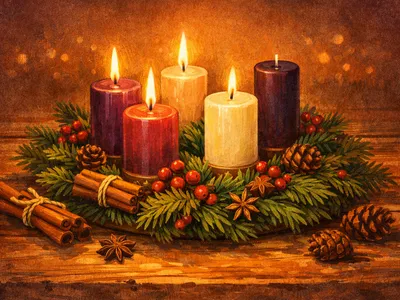

Christmas in Czech Republic
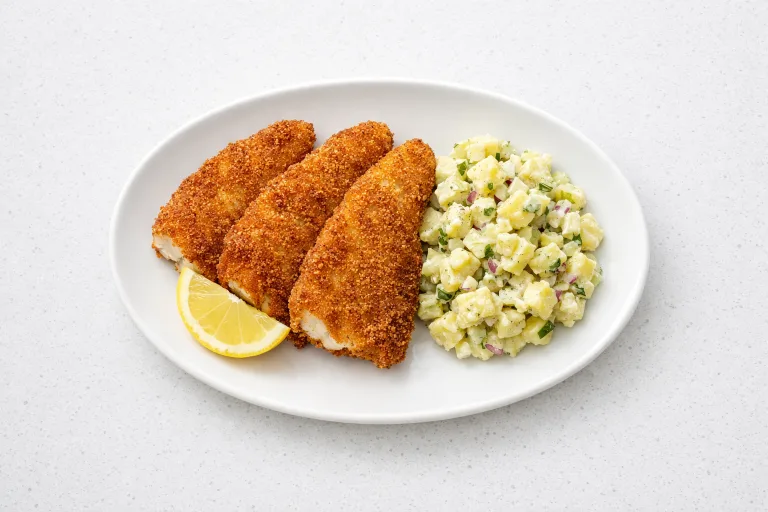
Czech Christmas is a deeply rooted family affair centered on December 24, Stedry den (Generous Day). The evening meal of fried carp and potato salad is sacred, the Jezisek (Baby Jesus) brings gifts, and fortunes are told by cutting apples and floating walnut shells. In a country where most people identify as non-religious, Christmas traditions are followed with near-universal devotion.
The Czech Republic is one of the least religious countries in Europe, but its Christmas traditions are observed with an intensity that would impress the most devout. Over 90% of Czech households serve fried carp and potato salad on December 24. The Jezisek (Baby Jesus) brings gifts to children in a country where fewer than 10% attend church regularly. The fortune-telling rituals, the cookie baking, the Mikulash processions: these traditions have outlasted the Habsburgs, the Nazis, 40 years of communism, and the rise of secularism. They are not going anywhere.
Stedry den: The Most Important Day of the Czech Year
December 24, Stedry den (Generous Day), is the heart of Czech Christmas. The day begins with fasting. Children are told that if they fast until dinner, they will see a golden piglet (zlate prasiitko) appear on the wall. The incentive works. By evening, anticipation has reached a fever pitch.
The Christmas Eve dinner follows a strict template. Fish soup (rybi polevka) comes first, a clear broth with carp roe and vegetables. The main course is smazeny kapr, carp fillet breaded and fried, served with homemade potato salad (bramborovy salat). The potato salad recipe is a matter of family identity. Some use mayonnaise, some use vinegar dressing. Carrots, peas, pickles, eggs, and onion are standard, but the ratios are fiercely personal.
Jezisek: The Invisible Gift-Bringer
Czech children do not receive gifts from Santa Claus. They receive them from Jezisek, the Baby Jesus. What makes the Czech tradition unique is that Jezisek is never seen. There is no figure in a costume, no mall visit, no lap-sitting. Jezisek is invisible. He rings a small bell to signal that gifts have appeared under the tree. Parents maintain the fiction with impressive dedication. The bell rings while the children are briefly out of the room, and when they return, wrapped presents have materialized beneath the lit tree.
The tradition is a source of national pride, and Czechs are protective of it. Surveys consistently show that a large majority prefer Jezisek to Santa Claus, viewing the latter as a foreign commercial import.
Fortune-Telling and Superstitions
After dinner, the fortune-telling begins. Every Czech household practices at least one of these rituals. Cutting an apple horizontally reveals a star shape (good health and luck) or a cross (illness or misfortune). Floating half walnut shells with candles on water predicts whether you will travel far or stay close to home. Pouring molten lead into cold water and interpreting the shape is another tradition, though lead has been replaced by tin or wax for safety.
Single women traditionally throw a shoe over their shoulder toward the door. If the toe points toward the door, they will marry within the year. If not, they wait another year. The tradition is practiced with equal parts sincerity and humor.
Mikulash: The Night of Angels and Devils
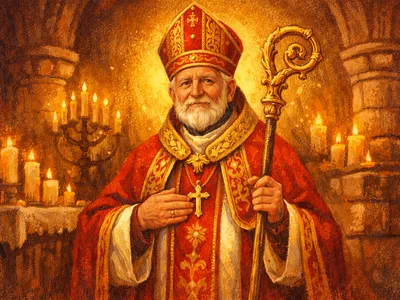
On December 5, trios of Mikulas (St. Nicholas in bishop's robes), an angel, and a devil roam Czech streets. They stop children and ask whether they have been good. Good children recite a poem or song and receive oranges, chocolates, and small toys from the angel. Bad children receive coal or raw potatoes from the devil. The devils, in elaborate handmade costumes with chains, fur, and horns, are genuinely frightening to small children. The tradition is a rite of passage. Every Czech adult remembers their first encounter with the Mikulash devil.
Vanocni cukrovi: The Cookie Marathon
Czech Christmas cookie baking (vanocni cukrovi) is an undertaking of industrial scale. A typical Czech household bakes 10 to 15 varieties of cookies in the weeks before Christmas. Vanilkove rohlicky (vanilla crescents rolled in powdered sugar), linecke (jam-filled sandwich cookies), vosni hnizda (wasp nests made with rum and cocoa), liskoorisove kulicky (hazelnut balls), and medove perniciky (honey gingerbread) are among the classics. The cookies are stored in tins and offered to every visitor. The quantity is a point of pride: eight varieties is acceptable, twelve is good, fifteen or more earns respect.
Frequently Asked Questions
What do Czechs eat on Christmas Eve?
The traditional Czech Christmas Eve dinner is fried carp (smazeny kapr) with homemade potato salad (bramborovy salat). Fish soup (rybi polevka) is served first. The meal is preceded by a day of fasting. Czechs consume over 6,000 tonnes of carp each Christmas season.
Who brings gifts in the Czech Republic?
Jezisek (Baby Jesus) brings gifts on Christmas Eve. Unlike Santa Claus, Jezisek is never depicted or seen. He rings a bell to signal that presents have appeared under the tree. The tradition is a source of national pride, and most Czechs prefer it to the Santa Claus tradition.
What is Mikulash?
On December 5, trios of Mikulas (St. Nicholas), an angel, and a devil visit children in the streets and at home. Good children receive sweets and fruit; naughty children get coal or potatoes. The devil costumes are deliberately frightening, and the tradition is a memorable childhood experience for every Czech.
Why do Czechs cut apples on Christmas Eve?
Cutting an apple in half horizontally on Christmas Eve is a fortune-telling tradition. If the seeds form a star pattern, it predicts good health and luck for the coming year. If they form a cross, it suggests illness or hardship. The ritual is practiced in virtually every Czech household.
What is the Czech Christmas Mass?
The Ceska mse vanocni (Czech Christmas Mass), composed by Jakub Jan Ryba in 1796, is performed in churches across the Czech Republic on Christmas Eve. It is the most important piece of Czech Christmas music and a cornerstone of the country's cultural identity, performed even in churches that are otherwise empty throughout the year.
Traditions & Customs
Stedry den (Generous Day)
December 24 is the main celebration. Czechs fast during the day (tradition says those who fast will see a golden piglet on the wall). The evening meal of fried carp and potato salad is followed by gift-giving under the tree. Jezisek (Baby Jesus) brings the presents.
Fried Carp and Potato Salad
The Christmas Eve meal is non-negotiable: breaded and fried carp with homemade potato salad. Many families buy a live carp days before and keep it in the bathtub. Czechs consume over 6,000 tonnes of carp each Christmas. Fish soup (rybi polevka) is served first.
Jezisek (Baby Jesus)
Unlike most of Europe, Czech children receive gifts from Jezisek (Baby Jesus), not Santa Claus or St. Nicholas. Jezisek is never depicted; he is invisible and rings a bell to signal that gifts have been placed under the tree. The tradition is fiercely protected against the encroachment of Santa Claus.
Christmas Fortune-Telling
After dinner, Czechs practice a series of fortune-telling rituals. Cutting an apple in half reveals a star (good luck) or cross (bad luck). Floating walnut shells with candles on water predicts the year ahead. Pouring molten lead into water and reading the shape is another tradition.
Vanocni cukrovi (Christmas Cookies)
Czech families bake enormous quantities of Christmas cookies, often 10-15 varieties. Classic types include vanilkove rohlicky (vanilla crescents), linecke (jam-filled), vosni hnizda (wasp nests), and liskoorisove kulicky (hazelnut balls). Baking begins in early December and is a major family activity.
Mikulash (St. Nicholas Day)
On December 5, Mikulas (St. Nicholas), an angel, and a devil walk the streets and visit children. Good children receive fruit, candy, and small gifts. Naughty children get coal or potatoes from the devil. The tradition terrifies small children and delights everyone else.
Vanocka (Christmas Bread)
A braided sweet bread made with raisins, almonds, and citrus zest. Vanocka is traditionally baked for Christmas morning breakfast. The braiding technique, using multiple strands of dough, is passed down through families.
Christmas Tree and Decorations
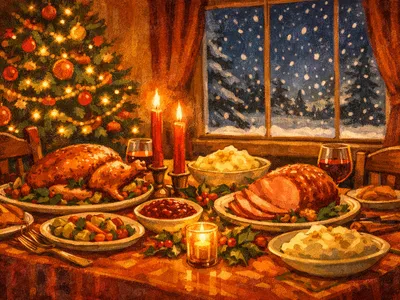
Czechs decorate the tree on December 24, often while the children are in another room. The tree is revealed alongside the gifts in the evening. Glass ornaments from the Bohemian glass-making tradition are prized decorations.
Christmas Markets
Prague Old Town Square Christmas Market
One of Europe's most famous Christmas markets, set beneath the Astronomical Clock. Over 600,000 visitors come each year. The market features traditional Czech food (trdlo, svarak, klobasa), handcrafted ornaments, and live nativity scenes.
Prague Wenceslas Square Market
The second major Prague market stretches along the boulevard from the National Museum. Larger and more commercial than Old Town Square, it offers a wider selection of food and drink stalls.
Brno Christmas Market
The Moravian capital's market on Namesti Svobody features regional specialties including Moravian wine, slivovice (plum brandy), and local crafts. Less touristy than Prague, it offers a more authentic Czech experience.
Cesky Krumlov Christmas Market
The fairy-tale UNESCO town hosts an intimate market in its Renaissance square. The medieval setting, complete with castle views and cobblestone streets, makes it one of the most atmospheric markets in Central Europe.
Key Dates
Barbora (St. Barbara's Day)
Cherry tree branches are cut and placed in water. If they bloom by Christmas Eve, it means good luck (and traditionally, that an unmarried girl will marry within the year).
Mikulash (St. Nicholas Day)
Mikulas, an angel, and a devil visit children. Good children receive sweets and fruit; naughty children get coal or potatoes. Groups of costumed Mikulash trios roam the streets of every Czech town.
Stedry den (Christmas Eve)
The most important day of the Czech year. Fasting during the day, fried carp dinner in the evening, gift-giving under the tree, fortune-telling, and Midnight Mass (pulnocni mse).
1. svatek vanocni (Christmas Day)
A public holiday spent with family. A large lunch, often svickova (beef sirloin with cream sauce) or roast duck, follows the simpler fare of Christmas Eve.
2. svatek vanocni (St. Stephen's Day)
A public holiday for visiting extended family and friends. Leftovers from the previous days' meals are served.
Tri krale (Three Kings Day)
Children dressed as the Three Kings go door to door singing carols and collecting donations for charity. They mark doorframes with K+M+B (Kaspar, Melichar, Baltazar) in chalk. This marks the end of the Christmas season.
Christmas Carols
We Bring You Good Tidings
Nesem vam novinyThe most beloved Czech Christmas carol, a pastoral song about shepherds bringing news of Christ's birth. Its simple, joyful melody is sung at every Czech Christmas gathering.
Joy to the World
Narodil se Kristus PanA traditional Czech carol celebrating the birth of Christ. Its upbeat tempo makes it a favorite for group singing on Christmas Eve.
Little Baby Jesus
Chtip Topi JezisekA tender Czech lullaby for the Christ Child, sung on Christmas Eve. Its gentle melody reflects the intimate, family-centered nature of Czech Christmas.
Hej Mistře!
Hej MistreA lively Czech carol calling the master to come see the newborn Jesus. Popular at Czech Christmas Masses and family celebrations.
Czech Christmas Mass
Ceska mse vanocni (Jakub Jan Ryba)Composed by Jakub Jan Ryba in 1796, the Ceska mse vanocni is performed in churches across the Czech Republic on Christmas Eve. It is the most important piece of Czech Christmas music and a cornerstone of the country's cultural heritage.
Traditional Recipes
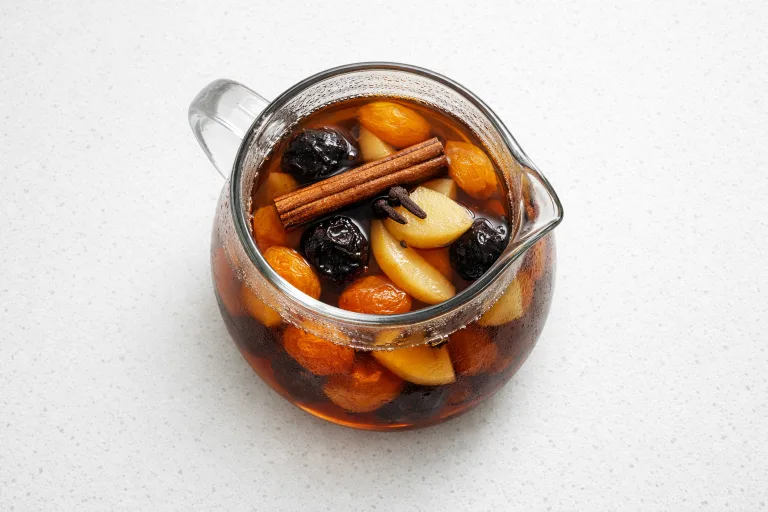
Christmas Kompot (Czech Dried Fruit Compote)
30 min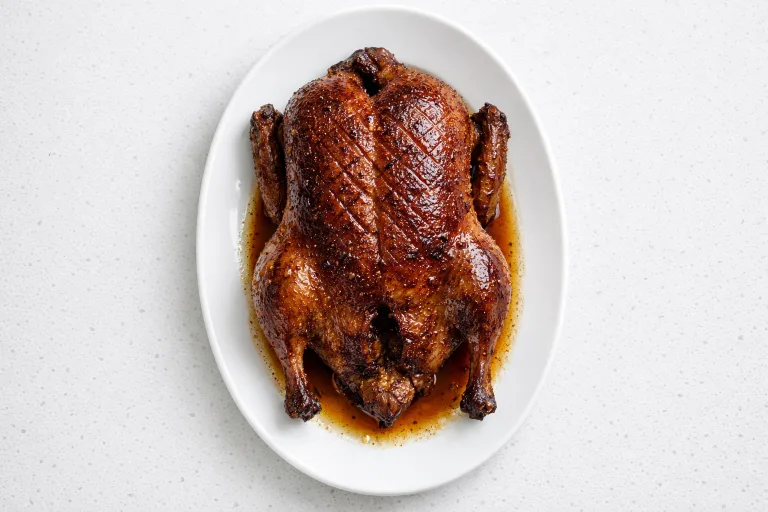
Christmas Roast Duck with Crispy Skin
150 min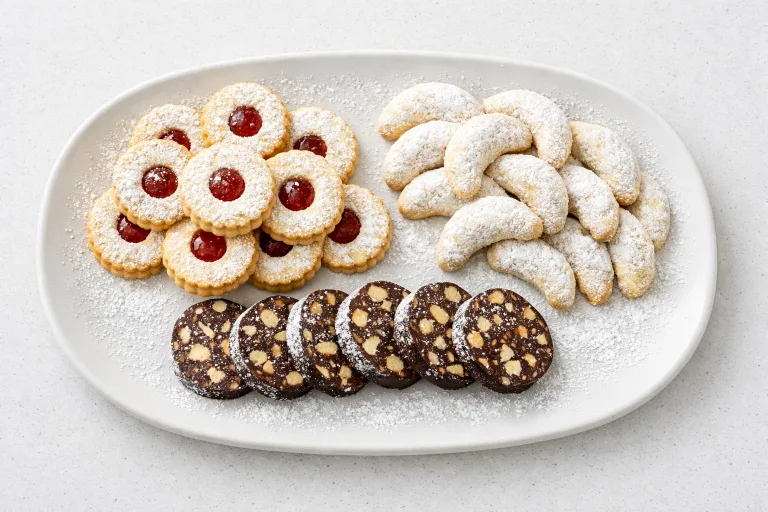
Czech Christmas Cookies (Vanočni Cukrovi) — The Classic Assortment
45 min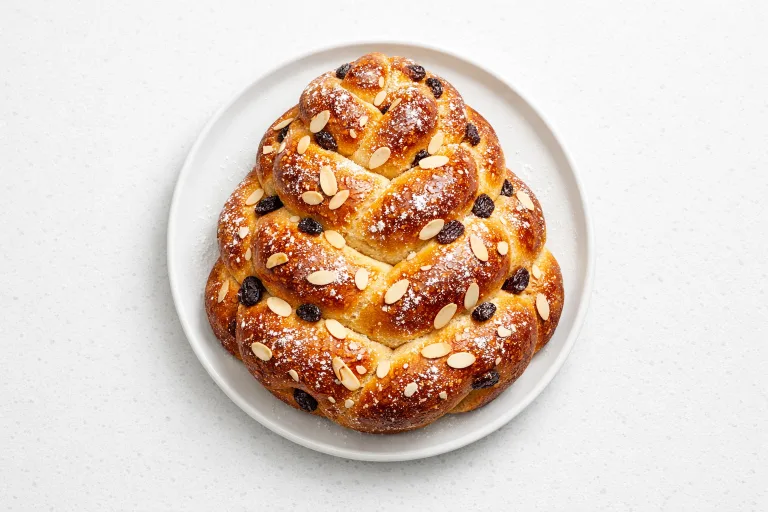
Vanocka (Czech Christmas Bread)
40 min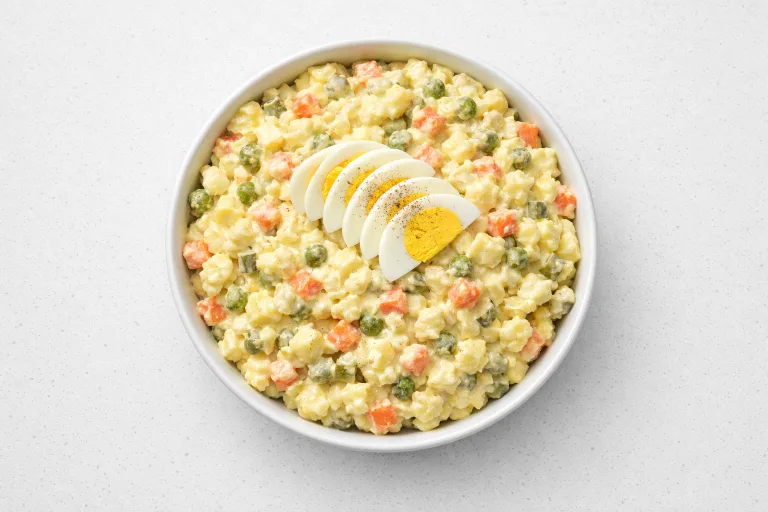
Czech Potato Salad (Bramborovy Salat)
25 min
Czech Mulled Wine (Svařené Víno)
20 min