
Christmas in Mexico
Mexico's Christmas season stretches longer than nearly any other country's, running from early December through January 6. The celebrations blend Catholic traditions brought by Spanish missionaries with indigenous customs that predate the conquest by centuries. At its heart, Mexican Christmas is a communal affair built around family, food, processions, and a deep sense of hospitality that turns entire neighborhoods into one extended celebration.
Mexico does not celebrate Christmas so much as surrender to it. The season begins on December 12 with the Feast of the Virgin of Guadalupe and does not let go until January 6, when the Three Kings finally deliver their gifts. That is nearly a month of processions, feasts, fireworks, and family gatherings, making Mexico's Christmas season one of the longest in the world.
The roots of these celebrations run deep. When Spanish missionaries arrived in the 16th century, they found indigenous cultures that already had solstice festivals, elaborate ritual feasts, and a native red plant the Aztecs called cuetlaxochitl. The missionaries layered Catholic traditions on top of existing customs, and the result is a Christmas season unlike any other: deeply religious, wildly festive, and anchored in community.
What Are Las Posadas and Why Do They Last Nine Nights?
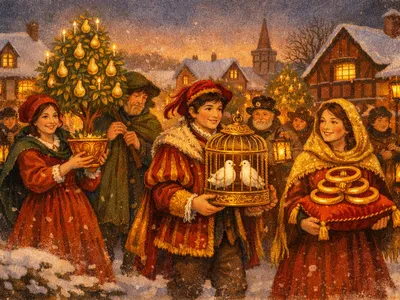
Las Posadas run from December 16 through 24, and they are the backbone of the Mexican Christmas season. Each evening, a procession of neighbors walks through the streets carrying candles and figures of Mary and Joseph. They stop at a designated house and sing a traditional dialogue in verse: the pilgrims ask for shelter, and the homeowners refuse, until the final verse reveals the identity of the travelers.
The doors swing open, and the real event begins.
Inside, the host family serves ponche (a warm fruit punch made with tejocotes, guava, sugarcane, and cinnamon) and tamales. Children line up to take swings at a pinata. The nine nights represent the nine months of Mary's pregnancy, or in some traditions, the nine-day journey to Bethlehem. Augustinian friars in Acolman, near the pyramids of Teotihuacan, are credited with establishing the tradition in 1586, making it one of the oldest continuous Christmas celebrations in the Americas.
Each night builds toward Nochebuena. The early posadas are casual neighborhood affairs. By December 23 and 24, the gatherings grow larger and more elaborate, with extended families traveling from across the country to be together.
How Does Mexico Celebrate Nochebuena?
Christmas Eve, not Christmas Day, is the main event. Nochebuena is when the serious cooking happens, when the family gathers in full force, and when the celebration runs past midnight.
The centerpiece of the Nochebuena table varies by region. In central Mexico, bacalao a la vizcaina (salt cod in a tomato-olive-caper sauce) is traditional. Tamales appear everywhere, with fillings that range from pork in red chile to sweet corn with raisins. Romeritos, a dish of dried shrimp patties with a wild green similar to rosemary, served in mole sauce, is a Mexico City specialty that rarely appears outside the capital.
Ponche navideo flows all night. Bunuelos, thin fried dough discs dusted with cinnamon sugar or drizzled with piloncillo syrup, serve as dessert. In some parts of Oaxaca, the tradition calls for smashing the clay plate after eating the bunuelo and making a wish.
Many families attend Misa de Gallo (Rooster's Mass) at midnight. The name refers to the legend that a rooster crowed at midnight to announce the birth of Jesus. After Mass, families return home for gift-giving and fireworks. In many neighborhoods, the sky fills with bottle rockets and Roman candles well past 2 a.m.
The Food That Defines Mexican Christmas
Mexican Christmas food is labor-intensive by design. Making tamales is a multi-day, multi-generational project. Grandmothers oversee the masa preparation. Aunts and cousins spread the dough on corn husks and fill them with shredded pork, chicken in green salsa, or rajas con queso (roasted poblano strips with cheese). The work is communal, and the kitchen becomes the social center of the holiday.
Bacalao requires soaking the salt cod for at least 24 hours, changing the water several times. The dish itself simmers for hours with tomatoes, olives, capers, and roasted peppers. It is not fast food. That is the point. The preparation is part of the celebration.
Atole, a thick warm drink made from masa, water, and flavoring like chocolate, vanilla, or strawberry, accompanies tamales the way coffee accompanies toast in other cultures. The pairing of tamales and atole is so fundamental that it has its own name: "tamaliza."
Dia de Reyes and the Rosca Tradition
January 6, Dia de Reyes, is when many Mexican children receive their main Christmas gifts. The night before, kids leave their shoes by the door or under the tree, filled with hay for the Three Kings' camels. By morning, the hay is gone and gifts have appeared.
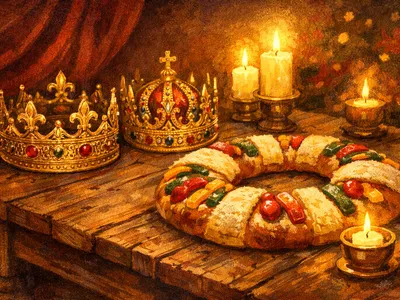
The signature food of the day is Rosca de Reyes, a ring-shaped bread decorated with candied fruit meant to resemble jewels on a crown. Hidden inside the bread are small plastic or ceramic figurines of baby Jesus. Whoever finds the figurine in their slice takes on a specific obligation: they must host a party on February 2, Dia de la Candelaria, and provide tamales and atole for everyone.
This creates a chain reaction of hospitality. One holiday triggers the next, extending the Christmas season deep into February. Some people try to avoid the figurine. Others consider it good luck. Either way, the commitment is binding by social custom, and backing out is considered poor form.
Why Mexico Has the Longest Christmas Season
Count the days. The Feast of the Virgin of Guadalupe on December 12 opens the season with one of the largest pilgrimages in the world. More than 10 million people visit the Basilica in Mexico City over a few days. Las Posadas begin four days later. Nochebuena and Christmas Day follow. December 28 brings Dia de los Santos Inocentes, the prank day. Then comes New Year's Eve, and finally Dia de Reyes on January 6.
Add Dia de la Candelaria on February 2, triggered by the Rosca de Reyes tradition, and Mexico's Christmas season spans nearly two full months. No other major country sustains that kind of momentum.
The season holds together because each celebration feeds into the next. Las Posadas build anticipation for Nochebuena. The Rosca de Reyes creates a social contract that demands one more party in February. The calendar is not a list of isolated holidays. It is a sequence, and each piece depends on the one before it.
In Oaxaca on December 23, the Noche de Rabanos (Night of the Radishes) adds one more layer. Artisans carve enormous radishes into nativity scenes, historical tableaux, and traditional dance figures. The competition dates to 1897, when the city government organized it to boost the Christmas market. It draws thousands of spectators who line up for hours to see vegetables transformed into art.
Frequently Asked Questions
When does the Christmas season start in Mexico?
The Mexican Christmas season unofficially begins on December 12 with the Feast of the Virgin of Guadalupe. The formal celebrations start on December 16 with the first night of Las Posadas and continue through January 6, Dia de Reyes. If you count the Dia de la Candelaria tamale party on February 2, the season stretches nearly two months.
What is the main Christmas celebration in Mexico?
Nochebuena (Christmas Eve) on December 24 is the most important celebration. Families gather for a late-night feast of tamales, bacalao, and ponche, followed by midnight Mass and gift-giving. Christmas Day on December 25 is comparatively quiet and spent relaxing with family.
What food is traditionally eaten at Mexican Christmas?
The core dishes include tamales (corn dough with various fillings wrapped in corn husks), bacalao a la vizcaina (salt cod in tomato sauce), ponche navideo (warm fruit punch), bunuelos (fried dough with cinnamon sugar), and romeritos (a mole-based dish with dried shrimp). Atole, a thick warm corn-based drink, accompanies most holiday meals.
Who brings gifts to children in Mexico?
Traditionally, Los Reyes Magos (the Three Kings or Wise Men) bring gifts on January 6. Children leave their shoes out the night before, filled with hay for the Kings' camels. Santa Claus has gained popularity in recent decades, and some families now exchange gifts on both December 25 and January 6.
What is the Rosca de Reyes?
Rosca de Reyes is a ring-shaped sweet bread eaten on January 6, Dia de Reyes. Small figurines of baby Jesus are baked inside the bread. The person who finds a figurine in their slice must host a tamale party on February 2, Dia de la Candelaria. The tradition extends the festive season into early February.
What are Las Posadas?
Las Posadas are nine nights of candlelit processions held from December 16 to 24. Participants reenact Mary and Joseph's search for lodging in Bethlehem by walking through neighborhoods and singing traditional verses at designated houses. Each night ends with a party featuring food, ponche, and pinatas. The tradition dates to 1586 in Acolman, Mexico.
Traditions & Customs
Las Posadas (Dec 16-24)
For nine nights, neighbors reenact Mary and Joseph's search for lodging. A procession moves from house to house, singing traditional verses. The hosts refuse entry until the final verse, when the doors open and the party begins with food, ponche, and pinatas.
Nochebuena
Christmas Eve is the main event in Mexico, far more important than December 25. Families gather for a late-night feast of bacalao, tamales, and ponche. Many attend Misa de Gallo (Rooster's Mass) at midnight, then return home to exchange gifts and celebrate into the early hours.
Pinatas
The traditional Christmas pinata has seven points, each representing one of the seven deadly sins. Smashing the pinata blindfolded symbolizes the triumph of faith over temptation. The candy and fruit that spill out represent divine rewards. Modern pinatas come in every shape imaginable, but the star shape remains the Christmas standard.
Rosca de Reyes
On January 6, families share a ring-shaped sweet bread called Rosca de Reyes, baked with small figurines of baby Jesus hidden inside. Whoever finds the figurine in their slice must host a tamale party on February 2, Dia de la Candelaria. The tradition turns a single holiday into a chain of celebrations.
Nacimientos (Nativity Scenes)
Elaborate nativity scenes are set up in homes, churches, and public plazas across Mexico. Many families build their nacimientos over weeks, adding figures gradually. Some displays cover entire rooms and include waterfalls, mirrors for lakes, and real moss. The baby Jesus figure is placed in the manger only on Christmas Eve.
Pastorelas
These folk plays depict the shepherds' journey to Bethlehem, with the devil trying to distract them along the way. Pastorelas range from reverent church performances to raucous comedies that satirize politicians and celebrities. The tradition dates to the 16th century, when Franciscan missionaries used theater to teach biblical stories.
Poinsettias (Flor de Nochebuena)
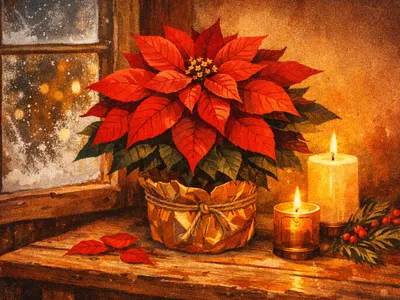
The poinsettia is native to Mexico and was cultivated by the Aztecs, who called it cuetlaxochitl. The plant became associated with Christmas through a Mexican legend about a girl who had no gift for the church altar and gathered weeds that bloomed into red flowers. Joel Roberts Poinsett, the first U.S. ambassador to Mexico, brought the plant to the United States in 1828.
Dia de los Santos Inocentes (Dec 28)
Mexico's version of April Fools' Day falls on December 28. People play pranks and practical jokes on friends and family. If you lend something to someone on this day, don't expect to get it back. The holiday commemorates the biblical story of King Herod's massacre of infants, but the modern observance is lighthearted.
Christmas Markets
Mexico City Zocalo Christmas Market
The main plaza of Mexico City transforms into a sprawling Christmas market every December, with an ice-skating rink, towering Christmas tree, and hundreds of vendor stalls selling handcrafted ornaments, traditional sweets, and nativity figures. The Zocalo market draws millions of visitors during the holiday season and serves as the backdrop for the city's official Christmas celebrations.
Noche de Rabanos (Night of the Radishes)
Held in Oaxaca on December 23, this unusual market features elaborate sculptures carved entirely from oversized radishes. Artists spend weeks carving nativity scenes, historical figures, and traditional Oaxacan dances from the root vegetables. The tradition dates to 1897 and draws enormous crowds to the city's central plaza, where carvers compete for prizes.
San Angel Christmas Bazaar
The Bazaar Sabado in Mexico City's San Angel neighborhood expands its weekly artisan market during the Christmas season, with vendors selling handmade crafts, Talavera pottery, woven textiles, and traditional Christmas decorations from across Mexico's diverse regions.
Key Dates
Feast of the Virgin of Guadalupe
Millions of pilgrims visit the Basilica of Our Lady of Guadalupe in Mexico City, marking the unofficial start of the Christmas season. Celebrations include processions, traditional dances, and all-night vigils.
Las Posadas
Nine nights of candlelit processions reenacting Mary and Joseph's search for shelter. Each evening ends with a party featuring ponche, tamales, and pinatas. The tradition is observed in neighborhoods across the country.
Nochebuena (Christmas Eve)
The most important night of the Mexican Christmas season. Families gather for a late supper of bacalao, tamales, and romeritos. Many attend midnight Mass, followed by gift-giving and fireworks.
Navidad (Christmas Day)
A quieter day spent with family, often eating leftovers from the Nochebuena feast. Some children receive gifts from Santa Claus on this day, though the main gift-giving tradition falls on January 6.
Dia de los Santos Inocentes
Mexico's prank day, similar to April Fools' Day. Friends and family play practical jokes on each other. The custom commemorates King Herod's biblical decree, but the modern celebration is entirely playful.
Dia de Reyes (Three Kings' Day)
Children receive gifts from the Three Wise Men, having left their shoes out the night before filled with hay for the camels. Families share Rosca de Reyes, a ring-shaped bread with hidden baby Jesus figurines inside.
Christmas Carols
Feliz Navidad
Feliz NavidadWritten by Puerto Rican singer Jose Feliciano in 1970, this bilingual hit has become one of the most-played Christmas songs worldwide. Its simple, joyful lyrics in Spanish and English made it an instant classic across Latin America and beyond.
Los Peces en el Rio
Los Peces en el RioA traditional Spanish-language carol about fish in the river drinking and drinking when they see the Virgin Mary pass by. The catchy melody and whimsical imagery make it one of the most beloved villancicos in the Spanish-speaking world, sung especially during Las Posadas processions.
Campana sobre Campana
Campana sobre CampanaA traditional Andalusian carol widely sung throughout Mexico and Latin America. The song describes the ringing of bells announcing the birth of Jesus in Bethlehem. Its rhythmic melody makes it a favorite for children's choirs and school performances during the Christmas season.
Mi Burrito Sabanero
Mi Burrito SabaneroWritten by Venezuelan composer Hugo Blanco in 1975, this song tells the story of a boy riding his little donkey to Bethlehem. It became a massive hit across Latin America and is now as essential to a Mexican Christmas playlist as any traditional villancico.
Traditional Recipes
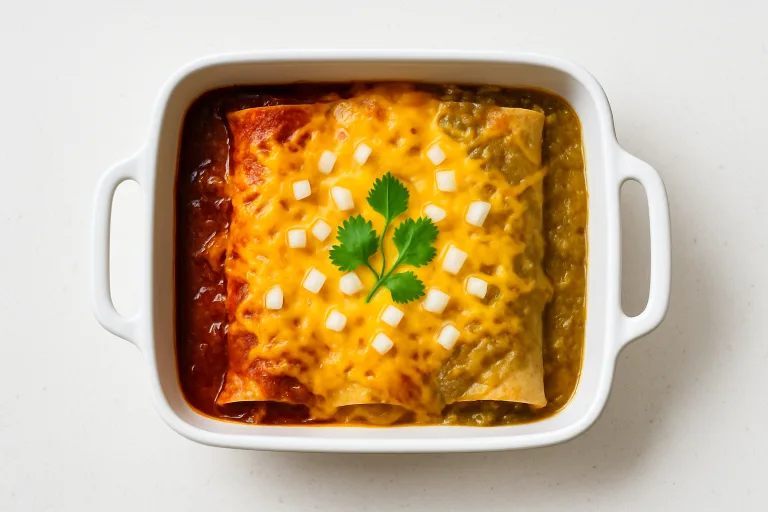
Christmas Enchiladas with Red and Green Chile Sauce
35 min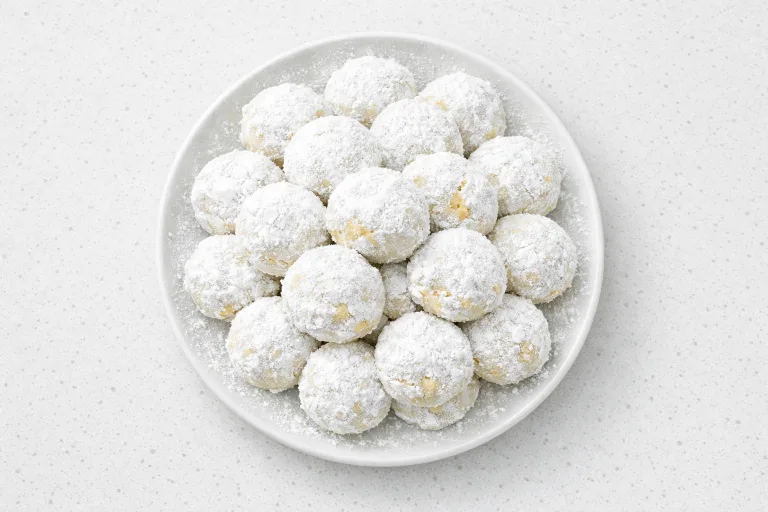
Mexican Wedding Cookies (Polvorones)
15 min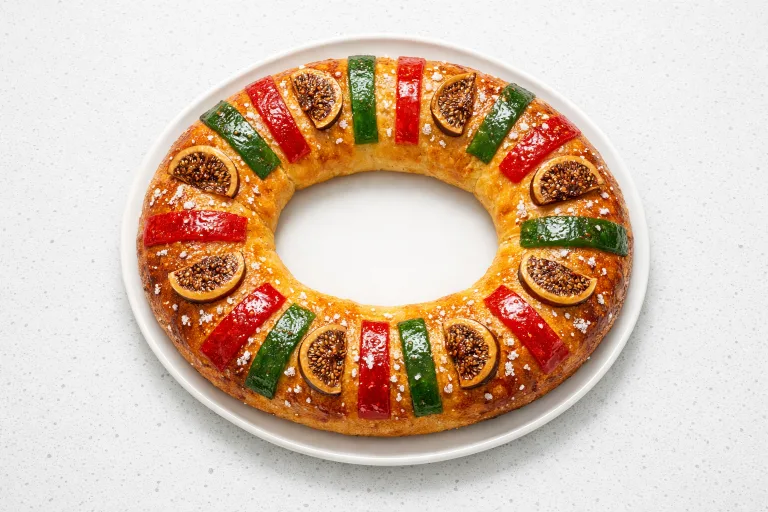
Rosca de Reyes (Mexican Three Kings Bread)
30 min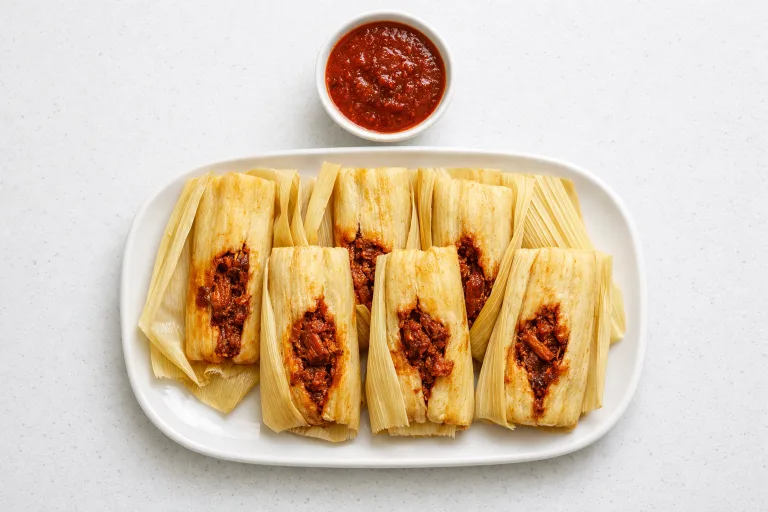
Christmas Tamales with Pork and Red Chile
120 min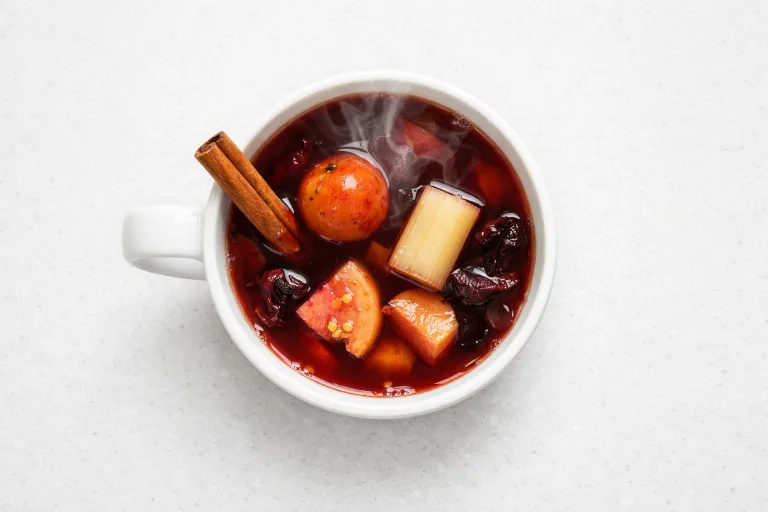
Ponche Navideño (Mexican Christmas Punch)
45 min
Christmas Hot Chocolate with Warming Spices
10 min