

Christmas Breads & Cakes
Stollen, panettone, mince pies, fruitcake, bûche de Noël, and the festive bakes that anchor Christmas tables worldwide. Tested recipes with step-by-step photos.
 80 min
Easy
80 min
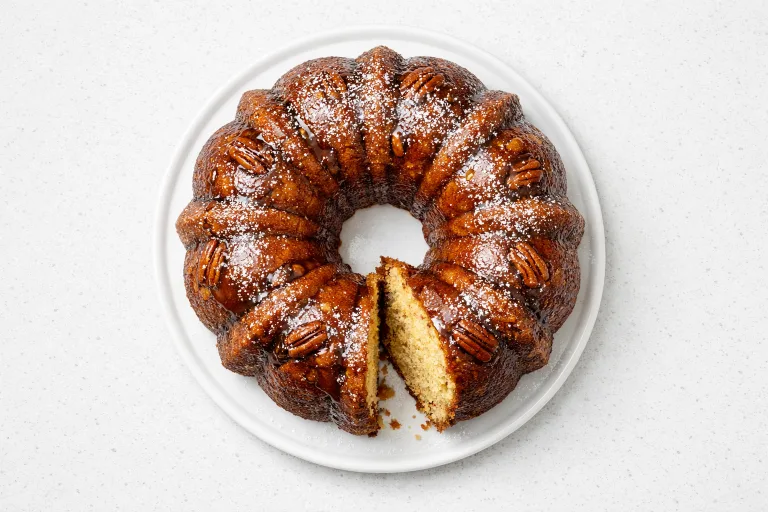
Easy Christmas Rum Cake
 115 min
Hard
115 min
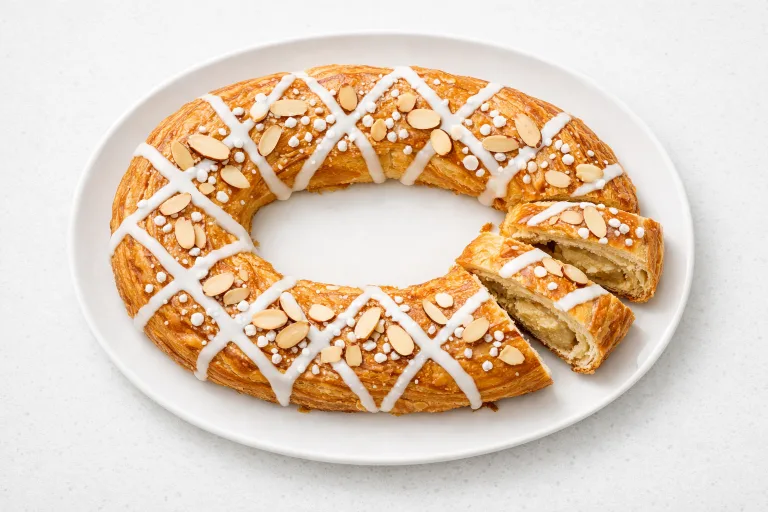
Hard Danish Kringle with Almond Filling
 75 min
Easy
75 min
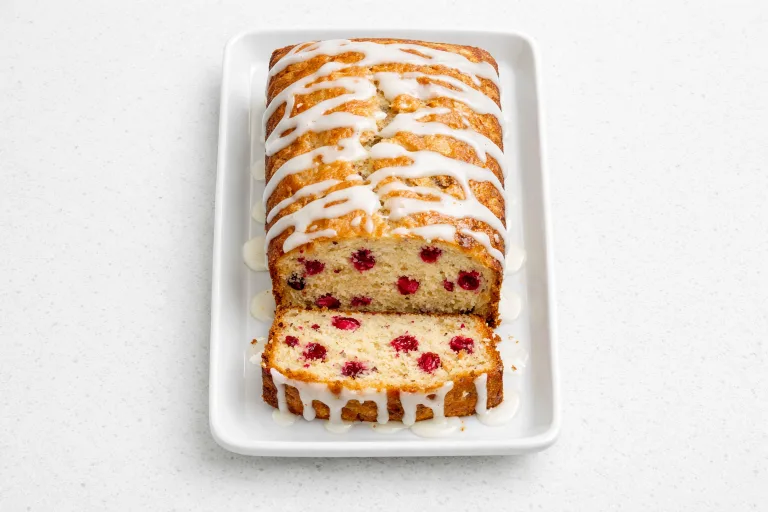
Easy Cranberry Orange Bread with Orange Glaze
 65 min
Medium
65 min
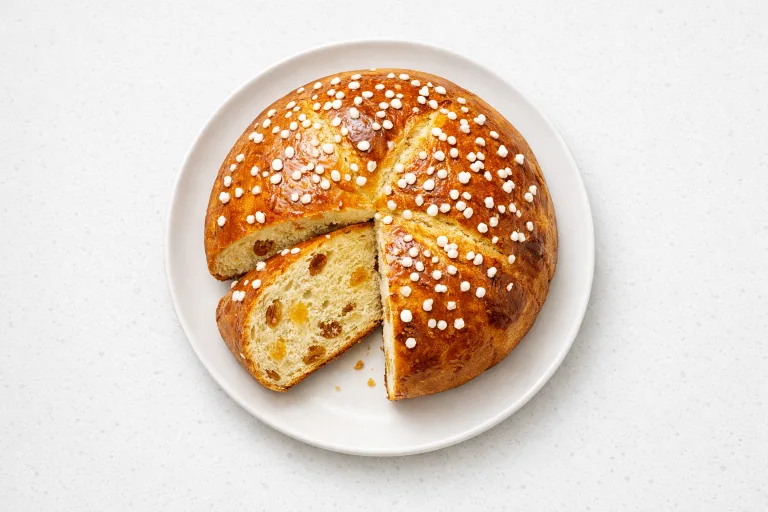
Medium Julekake (Norwegian Christmas Bread)
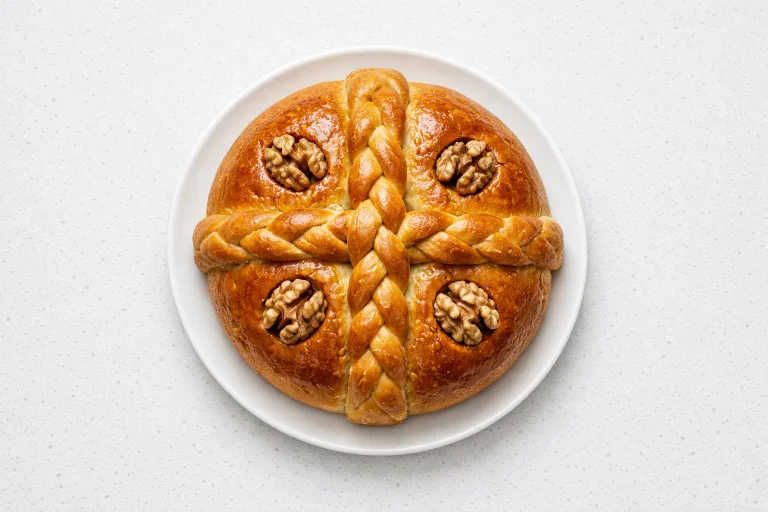 105 min
Medium
105 min
Medium Christopsomo: Traditional Greek Christmas Bread
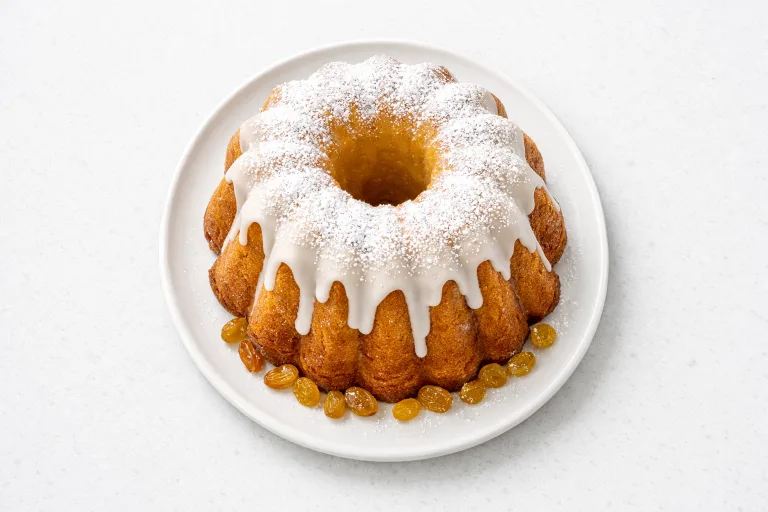 85 min
Medium
85 min
Medium Polish Babka (Traditional Easter and Christmas Bread)
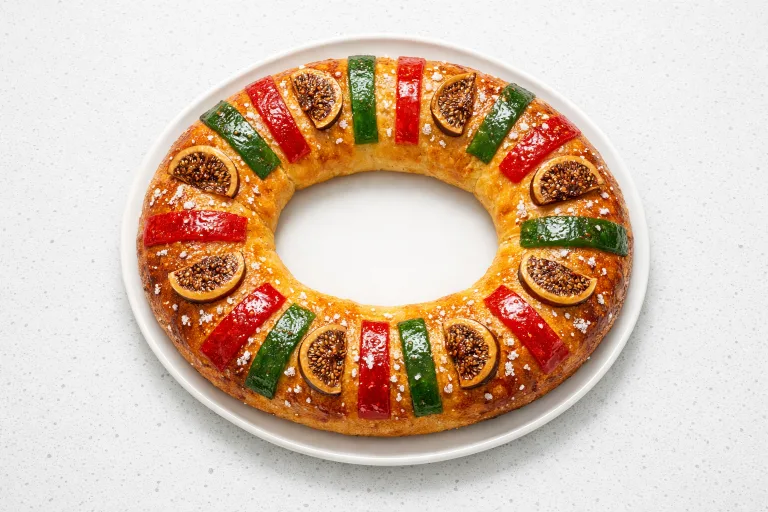 75 min
Medium
75 min
Medium Rosca de Reyes (Mexican Three Kings Bread)
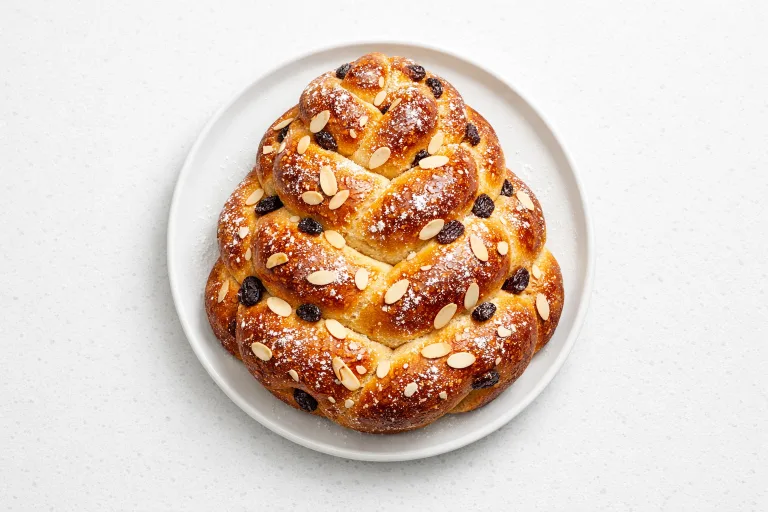 100 min
Hard
100 min
Hard Vanocka (Czech Christmas Bread)
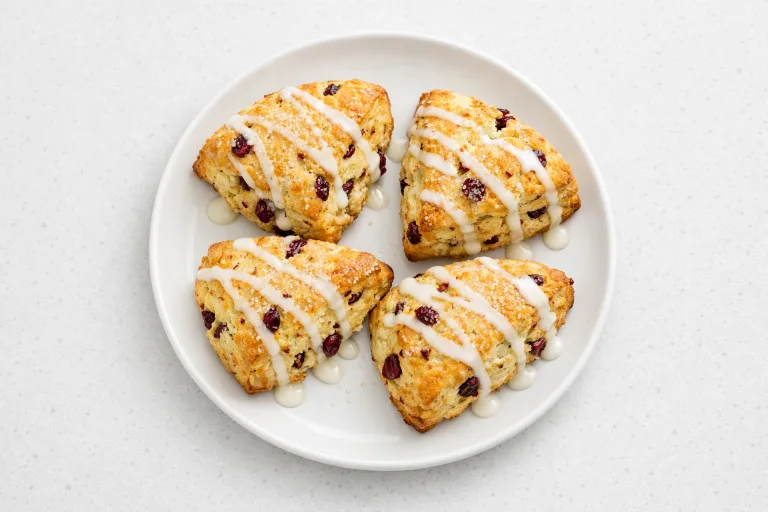 38 min
Easy
38 min
Easy Cranberry Orange Scones
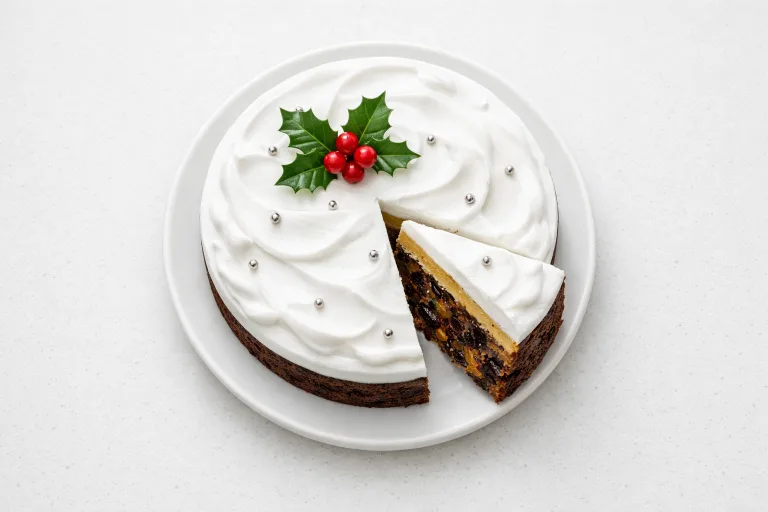 270 min
Medium
270 min
Medium Traditional British Christmas Cake with Marzipan and Royal Icing
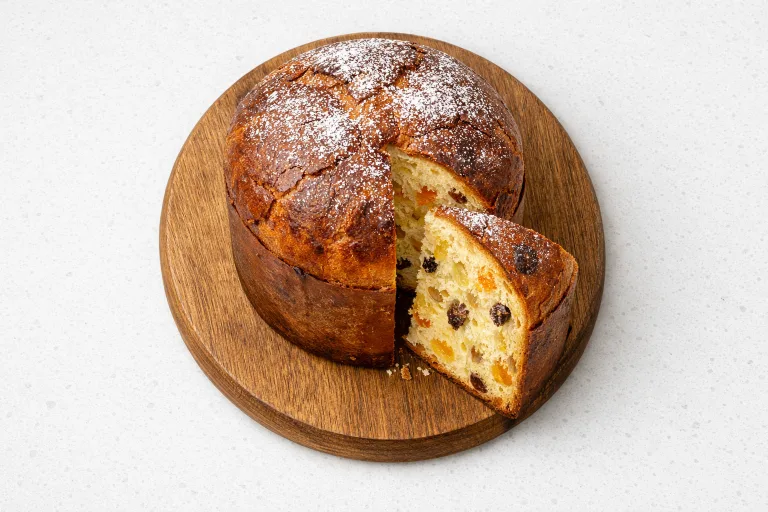 115 min
Hard
115 min
Hard Homemade Panettone (Traditional Italian Christmas Bread)
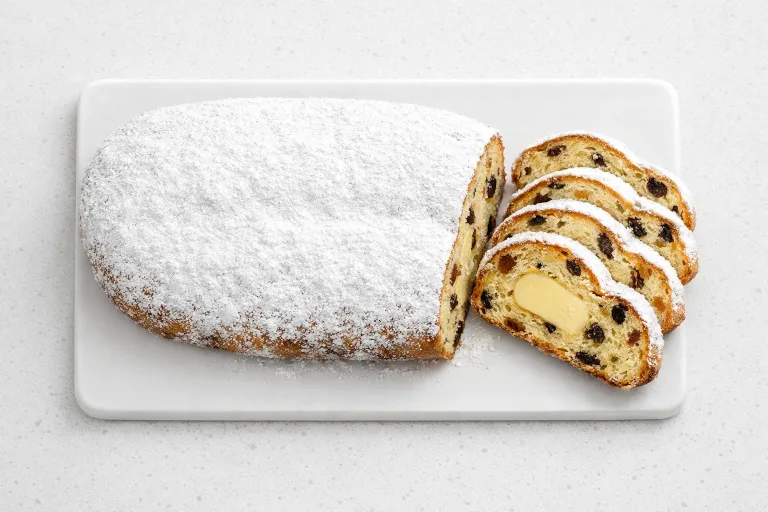 115 min
Medium
115 min
Medium Traditional German Stollen with Marzipan
 225 min
Medium
225 min
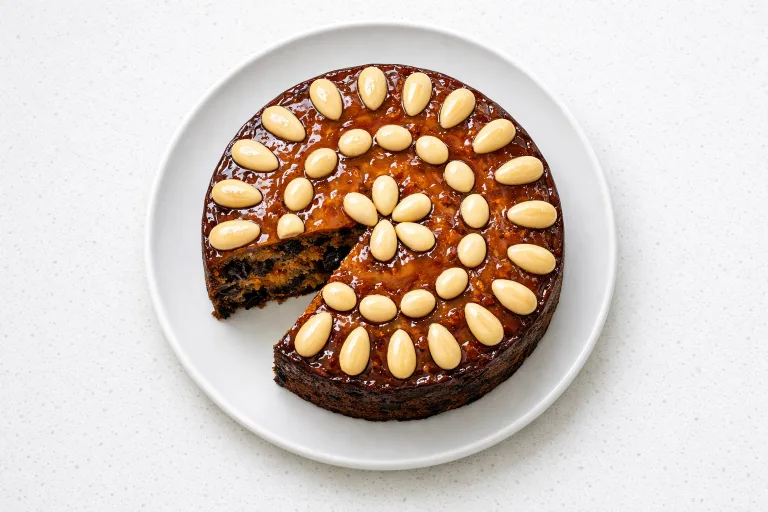
Medium Traditional Christmas Fruitcake with Brandy Glaze
The Festive Baking Tradition
Christmas breads and cakes are the backbone of holiday baking traditions worldwide. German stollen, dusted in powdered sugar and rich with marzipan, has been baked since the 15th century. Italian panettone, airy and studded with candied fruit, anchors every Milanese Christmas table. Czech vánočka, braided and golden, is as much a symbol of Christmas as the tree itself.
What unites these recipes is time. Great Christmas breads and cakes reward patience - the slow rise of a yeasted dough, the weeks of feeding a fruitcake with brandy, the overnight rest that transforms a stollen from good to extraordinary. Many of these recipes improve with age, making them the perfect project for early December baking sessions.
The French bûche de Noël (Yule log) is a showpiece that looks far harder than it is - a rolled sponge filled with buttercream and decorated to resemble a log. British fruitcake, dense with dried fruit and soaked in alcohol, is the original traditional Christmas cake. Mince pies, those small pastry parcels filled with spiced fruit mincemeat, are arguably the most-baked item of the British holiday season.
Whether you are tackling a multi-day stollen project or want a simple quick bread studded with cranberries and orange zest, these tested recipes guide you through every step with clear instructions and photos.
Christmas Breads & Cakes Tips
Expert advice for perfect results every time.
- 1
Use room-temperature ingredients
Butter, eggs, and milk should all be at room temperature before you start. Cold ingredients don't cream properly and produce dense, heavy cakes. Take everything out of the fridge 1–2 hours before baking.
- 2
Don't rush the rise
Yeasted breads like stollen, panettone, and vánočka need a proper rise. If your kitchen is cold, place the dough in a turned-off oven with the light on, or near a warm radiator. A slow rise develops better flavour.
- 3
Feed your fruitcake
After baking, poke holes in the top of your fruitcake with a skewer and spoon over brandy or rum every week for 4–6 weeks. Wrap tightly in greaseproof paper and foil between feeds. The alcohol preserves the cake and mellows the flavour.
- 4
Test with a skewer, not a timer
Oven temperatures vary and dense cakes can look done outside while still raw inside. Insert a skewer into the centre - it should come out clean or with just a few moist crumbs. If wet batter clings to it, bake for another 10 minutes.
Frequently Asked Questions
Common questions about christmas breads & cakes, answered.
What is the difference between stollen and panettone?
Stollen is a dense, butter-rich German bread folded around a marzipan core and dusted with powdered sugar. It improves with ageing. Panettone is a tall, airy Italian sweet bread with a soft, brioche-like crumb, made with a natural sourdough starter (lievito madre) and studded with candied fruit and raisins. Stollen is compact and sliceable; panettone is light and fluffy.
How far in advance can I bake Christmas cakes and breads?
Traditional fruitcake should be baked 4–8 weeks before Christmas and fed weekly with brandy. Stollen tastes best after 1–2 weeks of resting, wrapped tightly. Panettone is best within 3–5 days. Quick breads and muffins freeze well for up to 3 months. Mince pies can be frozen unbaked for 2 months and baked from frozen.
Can I make Christmas breads without a stand mixer?
Yes! Stollen, fruitcake, quick breads, and muffins can all be mixed by hand. Panettone is the one exception - its extremely wet, sticky dough really benefits from 15–20 minutes of machine kneading. For most Christmas breads, a wooden spoon and strong arms are all you need.
How do I stop fruit sinking to the bottom of my cake?
Toss dried fruit in a tablespoon of flour before folding it into the batter - this helps it grip the mixture instead of sinking. Also ensure your batter is thick enough; if it's too loose, fruit will drop. Finally, don't overfill the tin - leave room for the cake to rise around the fruit.
What is the best flour for Christmas baking?
For most cakes and quick breads, plain (all-purpose) flour works perfectly. For yeasted breads like stollen and panettone, use strong bread flour (higher protein) for better gluten development and structure. For light sponges and Swiss rolls (like bûche de Noël), self-raising flour gives the best lift. For pastry, cold butter and plain flour produce the flakiest results.