
Christmas in Christmas in the United States (USA)
The United States did not invent Christmas, but it reinvented it. From Clement Clarke Moore's 1823 poem that gave Santa his reindeer to Coca-Cola's 1930s ads that dressed him in red, America turned a religious observance into a consumer holiday celebrated by over 90% of the population. The season stretches from Black Friday in late November through New Year's Day, generating over $900 billion in retail spending.
Christmas in America is a $900 billion industry, a federal holiday, a cultural phenomenon, and, for many, a deeply personal family tradition. The country that turned a modest European religious observance into the most commercially significant holiday on earth has a complicated relationship with Christmas. It is simultaneously sacred and secular, intimate and spectacularly public.
How America Reinvented Christmas
The Puritans who settled New England actually banned Christmas celebrations. In Boston, celebrating December 25 carried a fine from 1659 to 1681. It was not until the 19th century that Christmas gained widespread acceptance in the United States, driven by a handful of writers and artists who essentially invented the holiday we know.
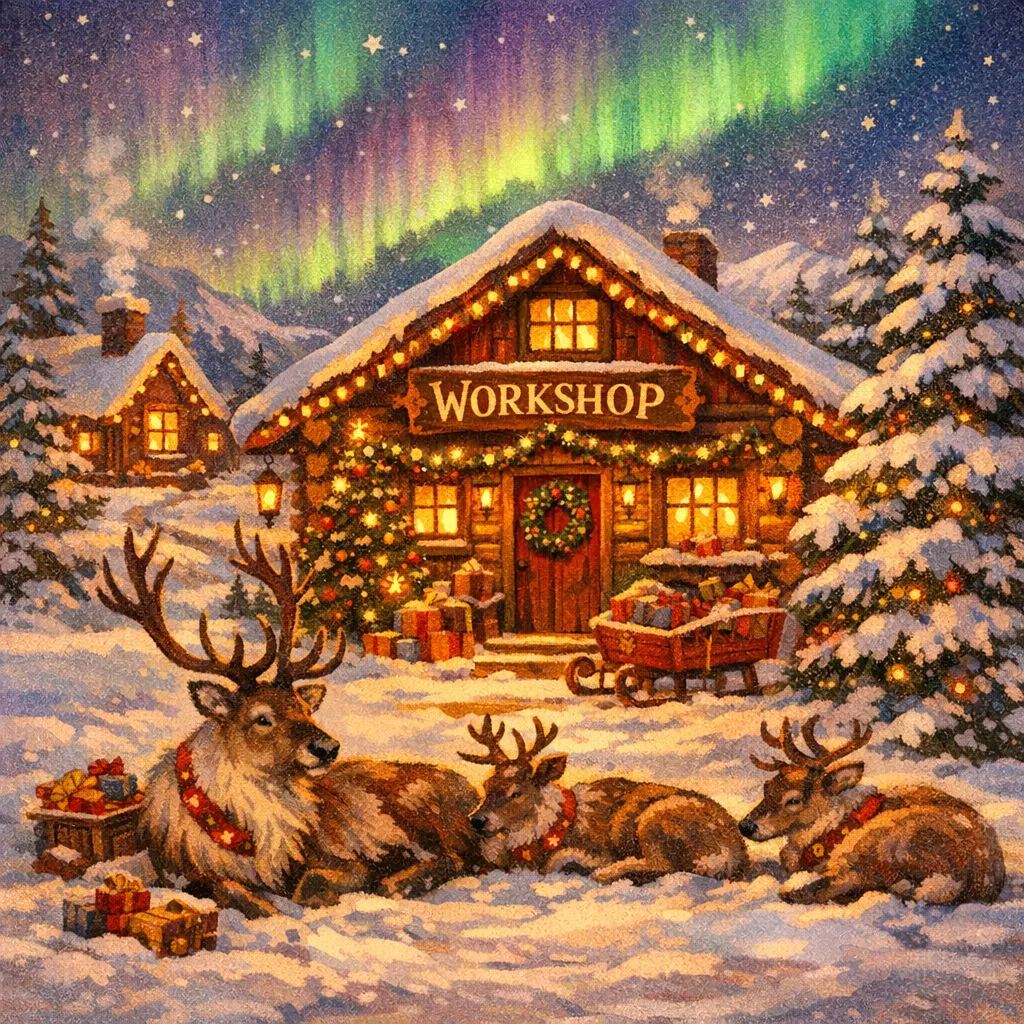
Washington Irving's 1819 sketches of old English Christmas customs created nostalgia for traditions most Americans had never practiced. Clement Clarke Moore's 1823 poem 'A Visit from St. Nicholas' gave Santa his sleigh, reindeer, and chimney entrance. Thomas Nast's Harper's Weekly illustrations between 1863 and 1886 gave Santa his red suit and North Pole workshop. By the turn of the century, the template was set.
The Season's Rhythm
American Christmas begins on Thanksgiving. The Macy's Thanksgiving Day Parade, running since 1924, ends with Santa's arrival on a float, symbolically opening the holiday season. The next day, Black Friday, launches five weeks of intensive shopping that accounts for roughly 20% of annual US retail sales.
Trees go up in living rooms during the first weekend of December. Light displays appear on houses and lawns. Office parties fill the calendar. By mid-December, the National Christmas Tree is lit on the White House lawn, a tradition since Calvin Coolidge in 1923.
Christmas Day Traditions
December 25 is a federal holiday, one of only eleven. Children wake early to find gifts under the tree and stockings filled with small presents and candy. Families gather for a large meal that varies by region and heritage: turkey or ham in the South, prime rib in the Northeast, tamales in the Southwest.
Television specials are a fixture. A Charlie Brown Christmas (1965), Rudolph the Red-Nosed Reindeer (1964), and How the Grinch Stole Christmas (1966) air every year. Many families watch them as ritual rather than entertainment.
Regional Differences
Christmas in New England means white clapboard churches, lobster on Christmas Eve, and a reasonable chance of snow. In the South, fireworks on Christmas Eve are common in many communities, and Christmas dinner often includes cornbread dressing and sweet potato casserole. In the Southwest, luminarias (paper bag lanterns) line streets and rooftops, a tradition from Spanish colonial New Mexico.
Hawaii celebrates with a distinct Pacific flair: Santa arrives by outrigger canoe, and the Christmas luau blends Polynesian and American traditions. Alaska, with its long winter darkness, takes Christmas lights seriously, and some communities celebrate with dogsledding events.
Frequently Asked Questions
When did Christmas become a federal holiday in the US?
Christmas became a US federal holiday on June 26, 1870, when President Ulysses S. Grant signed it into law. Before that, it was not widely celebrated in many parts of the country, particularly New England, where Puritan influence had discouraged the holiday for centuries.
How much do Americans spend on Christmas?
Americans spend over $900 billion on holiday shopping each year, according to the National Retail Federation. The average individual spends roughly $900 on gifts. Holiday spending accounts for about 20% of annual retail sales in the United States.
What is the most popular Christmas song in America?
Bing Crosby's 'White Christmas,' written by Irving Berlin in 1942, remains the best-selling single of all time with over 50 million copies sold. In recent years, Mariah Carey's 'All I Want for Christmas Is You' (1994) has become equally ubiquitous, reaching number one on the Billboard Hot 100 every December since 2019.
Why do Americans leave cookies for Santa?
The tradition of leaving cookies and milk for Santa Claus likely evolved from the Norse practice of leaving food for Odin during Yule. It became widespread in America during the 1930s, when parents used it to teach children generosity during the Great Depression.
What are luminarias?
Luminarias are small paper bag lanterns weighted with sand and lit by a votive candle inside. They originated in Spanish colonial New Mexico and are still widely used in the American Southwest to line walkways, rooftops, and streets during the Christmas season. In Albuquerque alone, thousands of homes display them on Christmas Eve.
Traditions & Customs
Santa Claus and Mall Santas
The modern Santa Claus evolved from the Dutch Sinterklaas tradition brought by settlers to New Amsterdam. Thomas Nast's illustrations for Harper's Weekly in the 1860s established his visual appearance. Today, over 20,000 professional Santa performers work across the country during the season.
Rockefeller Center Christmas Tree
Since 1933, a towering Norway spruce has been erected at Rockefeller Center in Manhattan each November. The 2023 tree stood 80 feet tall and was lit with over 50,000 LED lights. An estimated 125 million people visit the tree each season.
Christmas Stockings
Hanging stockings by the fireplace traces back to the legend of St. Nicholas dropping gold coins down a chimney, landing in stockings hung to dry. American families fill them with small gifts, candy, and an orange in the toe, a tradition from when citrus was a rare winter luxury.
Eggnog Tradition
Eggnog arrived in America from England in the 18th century and became a holiday staple. George Washington reportedly served a potent version at Mount Vernon. Americans consume over 135 million pounds of eggnog each December.
Ugly Sweater Parties
What began as an ironic trend in early 2000s Vancouver has become a multi-billion dollar industry. Ugly Christmas sweater parties are now a fixture of the American holiday season, with dedicated retailers and corporate events built around them.
Christmas Light Displays
Americans spend an estimated $6 billion on holiday decorations each year. Residential light displays have grown from simple candles in windows to elaborate LED productions. Some neighborhoods coordinate displays that draw thousands of drive-through visitors.
Elf on the Shelf
Created by Carol Aebersold and her daughter Chanda Bell in 2005, the Elf on the Shelf has sold over 16 million units. The scout elf watches children during the day and reports to Santa at night, requiring parents to move it to a new position each morning.
Christmas Markets
Union Square Holiday Market
New York City's largest outdoor holiday market features over 150 local artisans and small businesses. Running since 1994, it sits at the south end of Union Square Park.
Christkindlmarket Chicago
Modeled after Nuremberg's Christkindlesmarkt, Chicago's version has run since 1996 in Daley Plaza. It features German-style wooden stalls selling ornaments, Lebkuchen, and Gluehwein.
Denver Christkindlmarket
Colorado's largest German-style Christmas market, held annually since 2001. Features over 40 vendors in traditional wooden huts alongside a beer hall and live entertainment.
Key Dates
Thanksgiving
Marks the unofficial start of the Christmas season. The Macy's Thanksgiving Day Parade in New York has featured Santa's arrival as its finale since 1924.
Black Friday
The biggest shopping day of the year and the commercial kickoff to the holiday season. The term originated in Philadelphia in the 1960s, referring to heavy traffic and crowds.
Christmas Eve
Many families attend church services, open one gift, and leave cookies and milk for Santa. In some traditions, gifts are exchanged on this evening rather than Christmas morning.
Christmas Day
A federal holiday since 1870. Families open gifts in the morning, then gather for a large meal of turkey or ham. The day is spent at home with family.
New Year's Eve
The end of the holiday season. The Times Square Ball Drop in New York has been a tradition since 1907, watched by over 1 billion viewers worldwide.
Christmas Carols
Jingle Bells
Written by James Lord Pierpont in 1857, originally titled 'One Horse Open Sleigh.' It was actually composed for Thanksgiving, not Christmas. It became the first song broadcast from space in 1965.
White Christmas
Written by Irving Berlin and first performed by Bing Crosby in the 1942 film Holiday Inn. Crosby's recording has sold over 50 million copies, making it the best-selling single of all time.
Rudolph the Red-Nosed Reindeer
Created by Robert L. May in 1939 as a coloring book for Montgomery Ward department stores. Johnny Marks adapted it into the song Gene Autry recorded in 1949, selling 25 million copies.
Winter Wonderland
Written by Felix Bernard and Richard B. Smith in 1934. Smith reportedly wrote the lyrics while recovering from tuberculosis in a Pennsylvania sanatorium, inspired by the snowy view from his window.
Santa Claus Is Coming to Town
Written by J. Fred Coots and Haven Gillespie in 1934. First performed on Eddie Cantor's radio show, it received 100,000 requests for sheet music within 24 hours.
Traditional Recipes
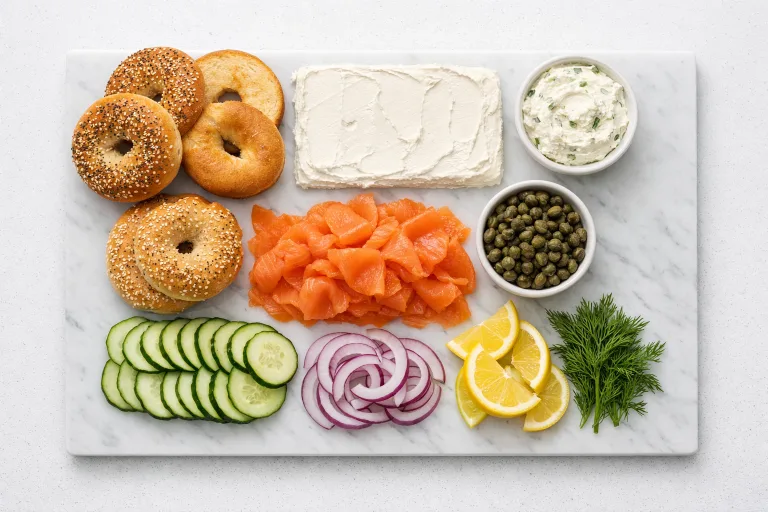
Smoked Salmon Bagel Bar for Christmas Brunch
25 min prep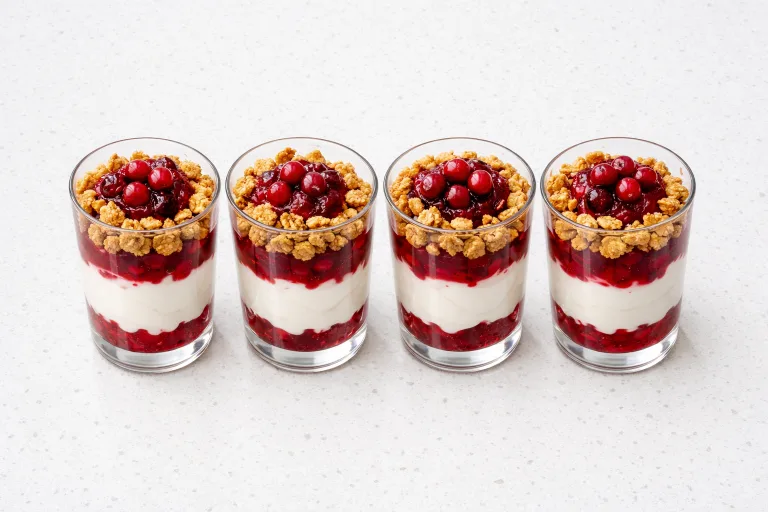
Christmas Yogurt Parfait with Cranberry Granola
20 min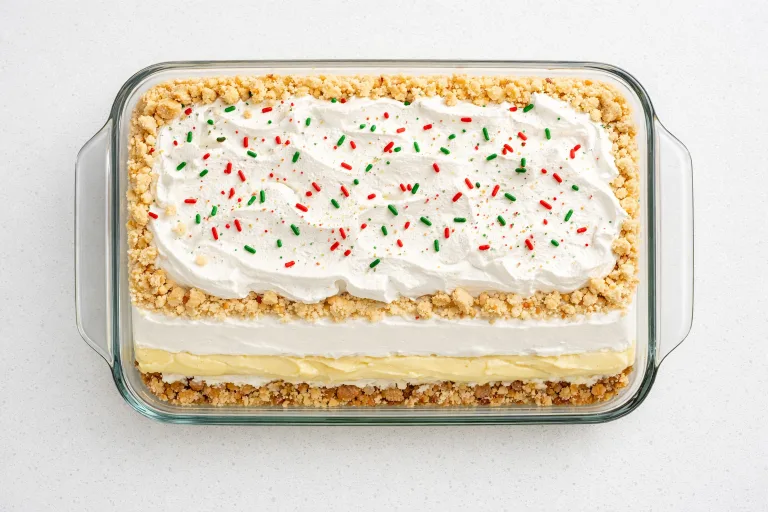
Christmas Lush (Layered Christmas Dessert)
20 min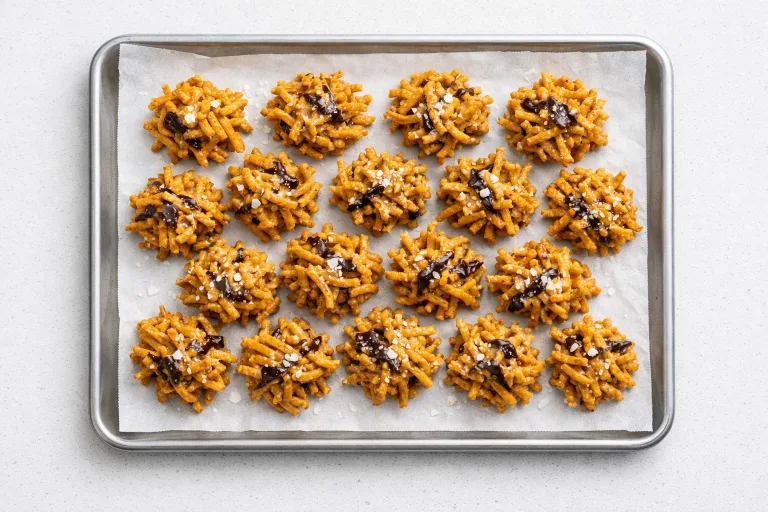
Christmas Haystacks (No-Bake Butterscotch & Chow Mein Noodle Cookies)
5 min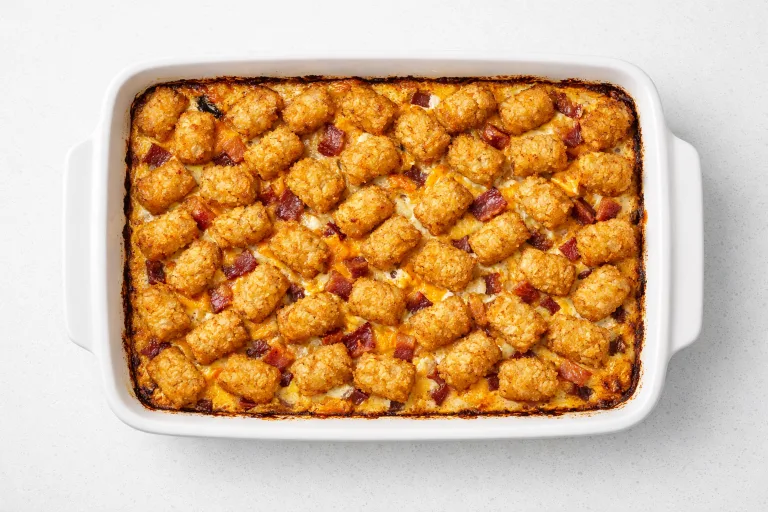
Bacon and Egg Tater Tot Casserole
55 min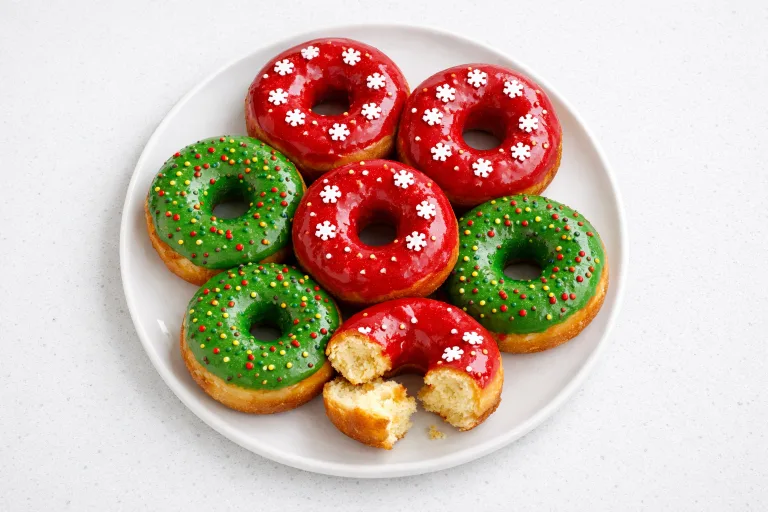
Christmas Donuts with Festive Glazes and Sprinkles
20 min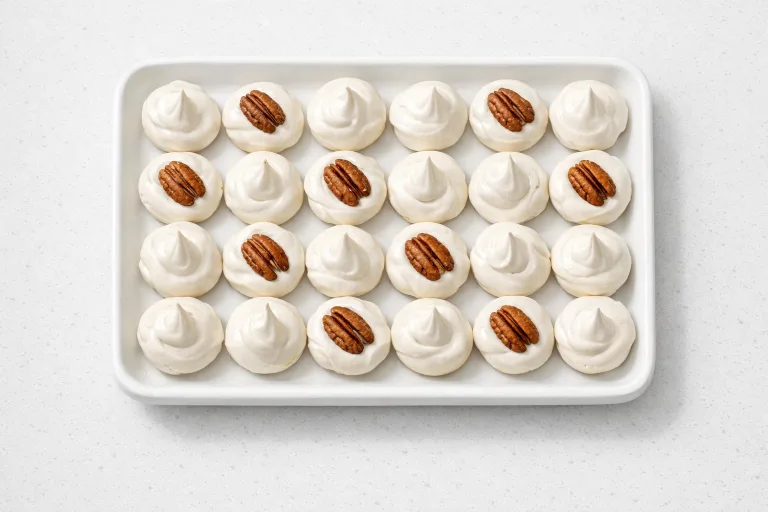
Christmas Divinity Candy
25 min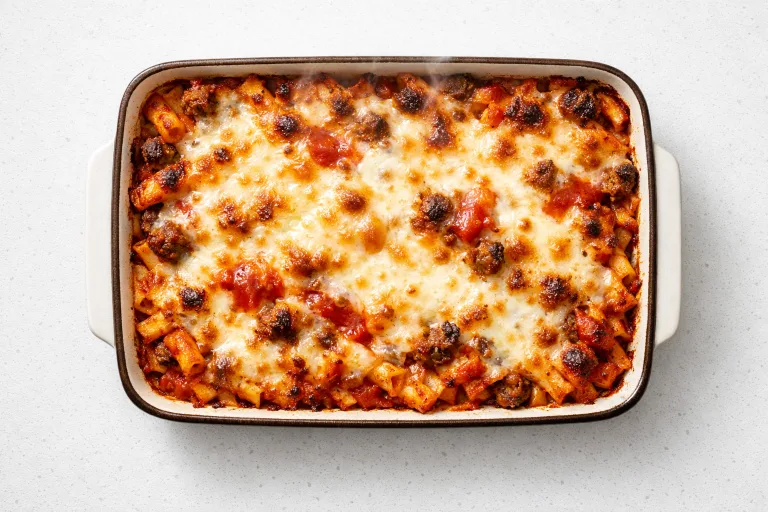
Christmas Baked Ziti
55 min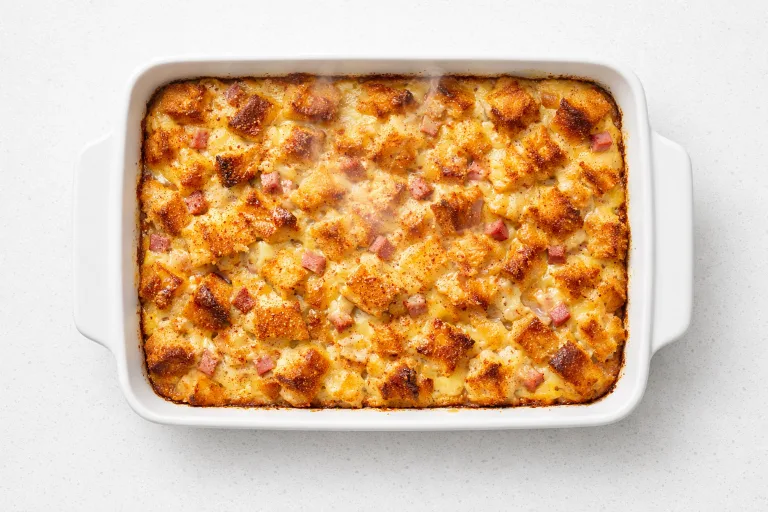
Ham and Swiss Brunch Bake
55 min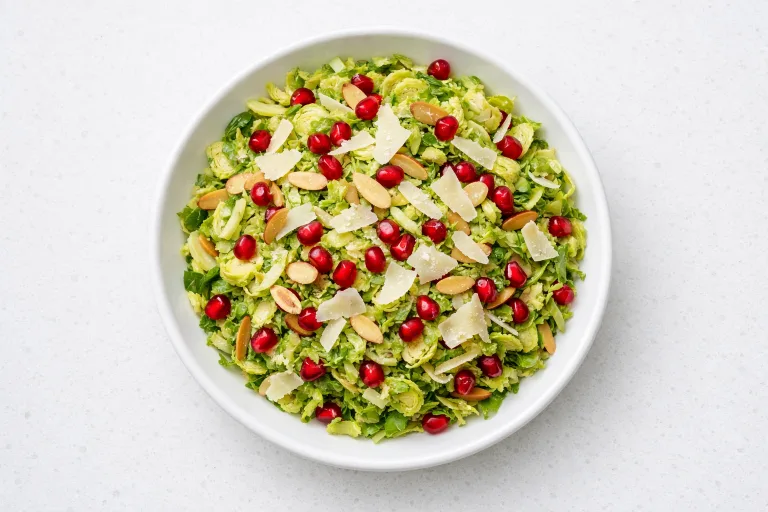
Shaved Brussels Sprout Salad with Pomegranate and Toasted Almonds
5 min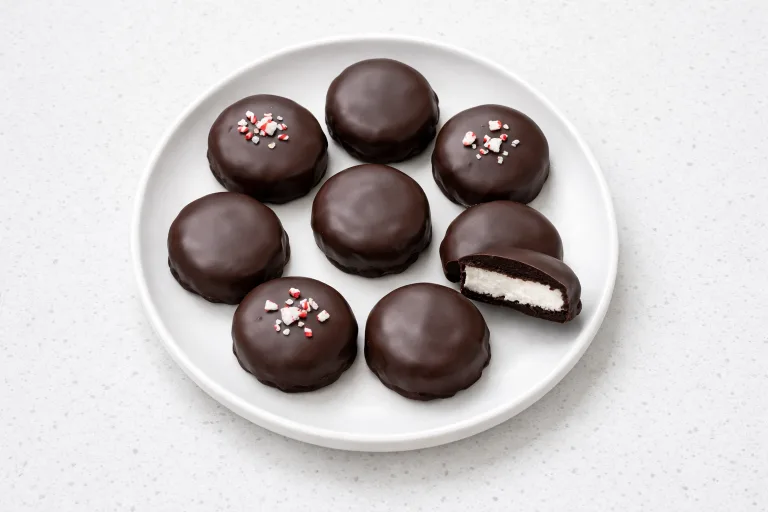
Paleo Peppermint Patties
5 min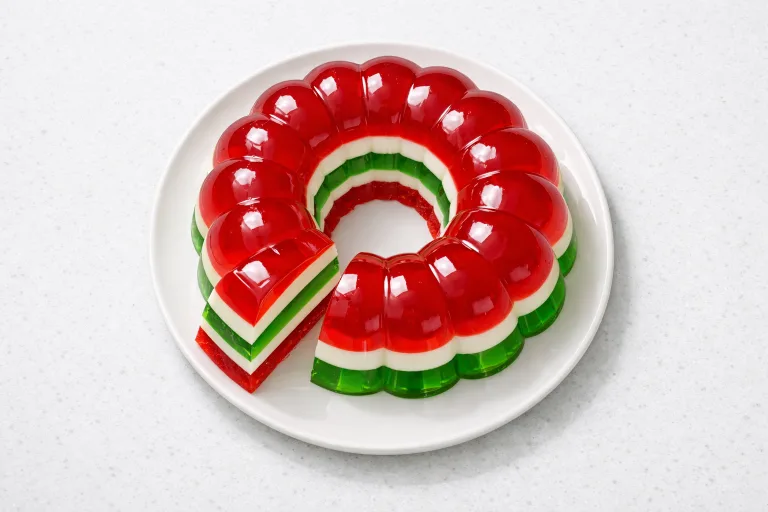
Christmas Jello Recipe: Layered Red and Green Holiday Mold
20 min prep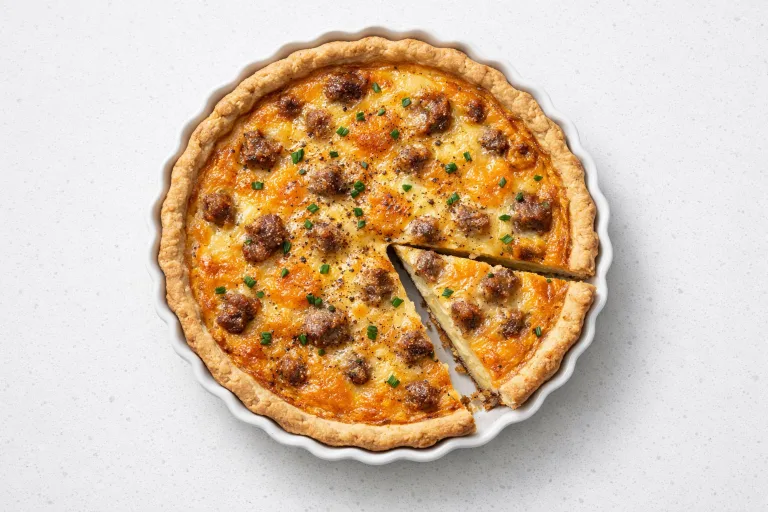
Christmas Morning Quiche with Sausage and Cheese
45 min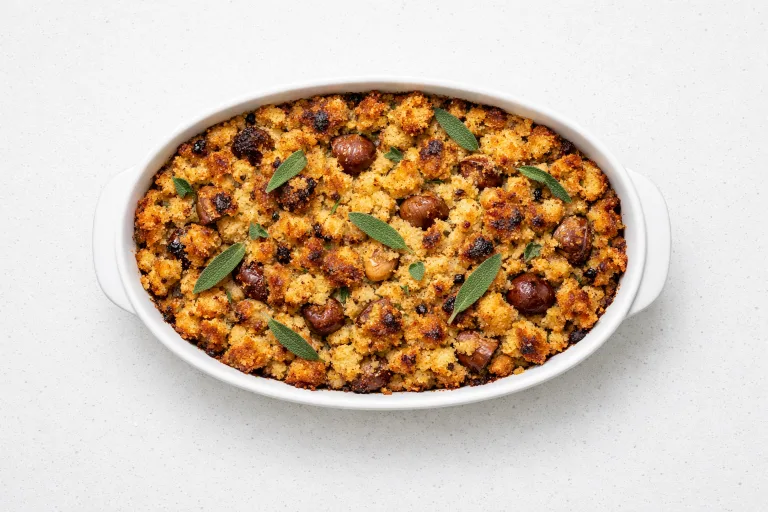
Chestnut Cornbread Dressing
75 min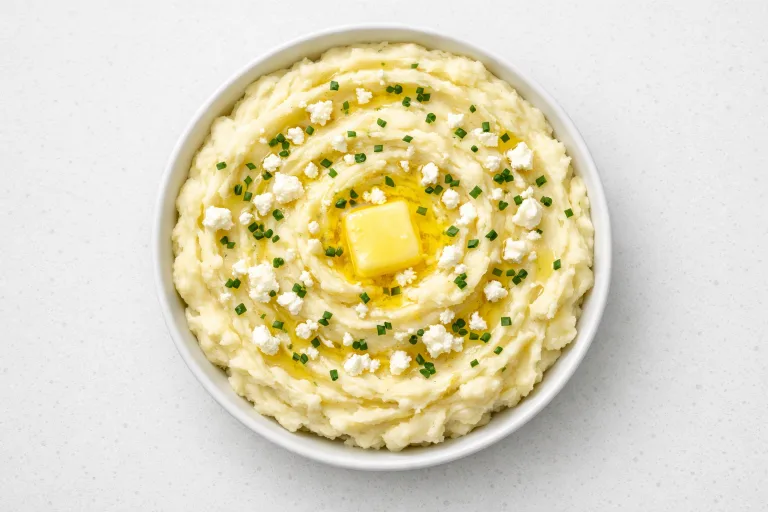
Christmas Mashed Potatoes with Garlic and Feta
25 min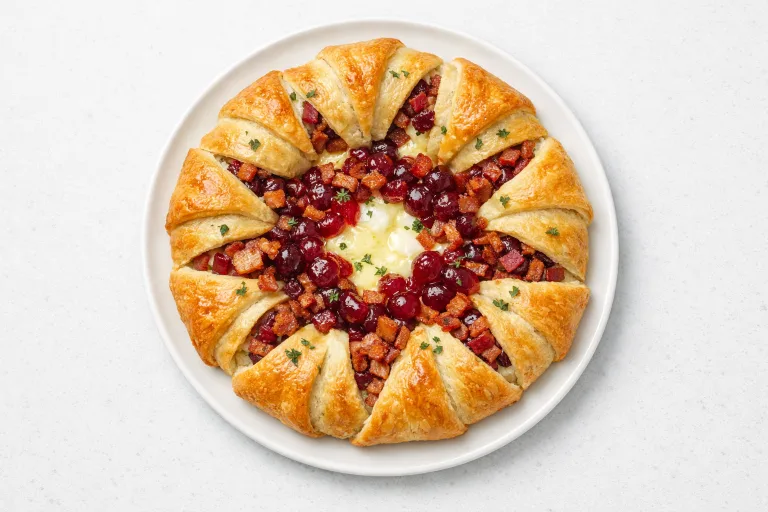
Bacon Brie Crescent Wreath
20 min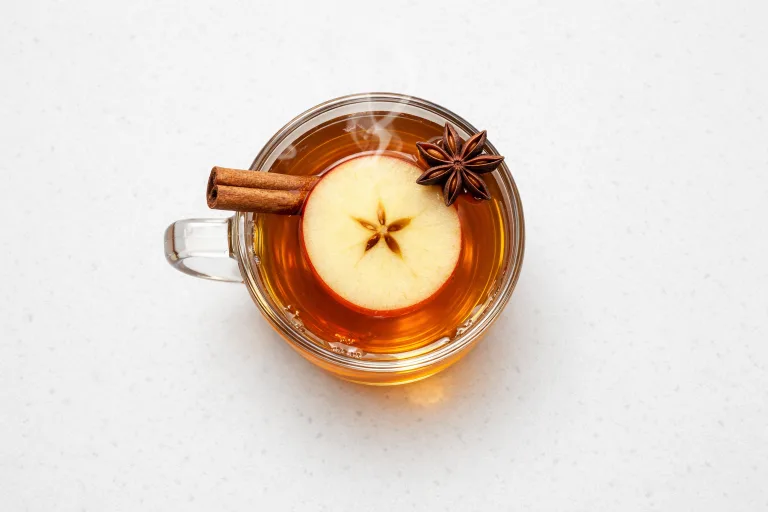
Chai Apple Cider (Chaider)
20 min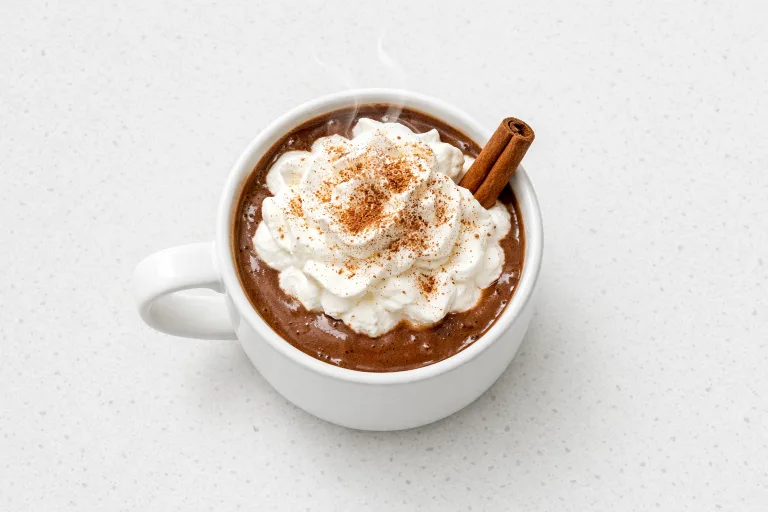
Bourbon Gingerbread Hot Chocolate
10 min
Marry Me Chicken Christmas Recipe
25 min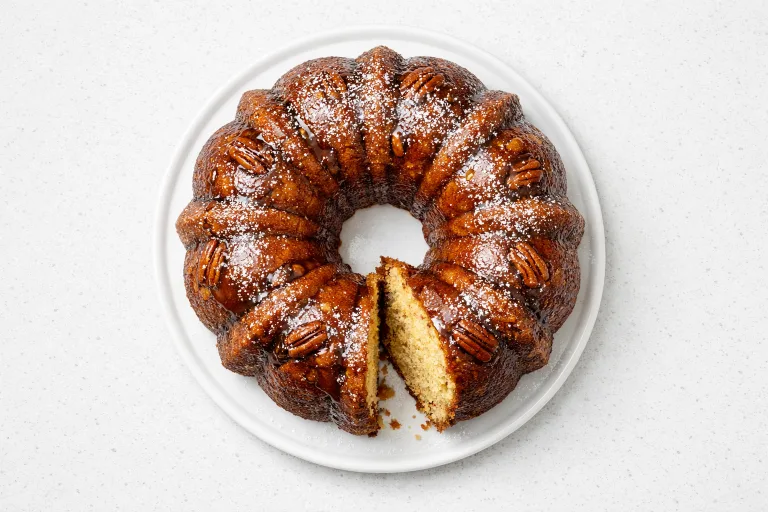
Christmas Rum Cake
60 minRelated Articles
Christmas Pickle: The Odd Tradition Nobody Can Explain
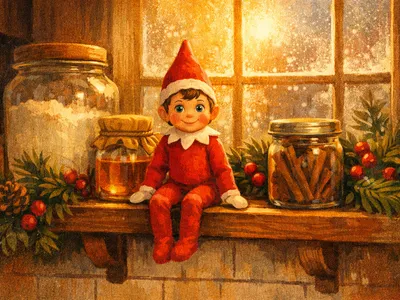
Elf on the Shelf: Origin, Rules, and the Big Debate
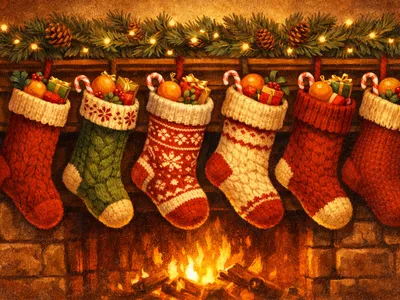
Christmas Stockings: History, Origins and Tradition
Kwanzaa: History, Seven Principles, and Traditions
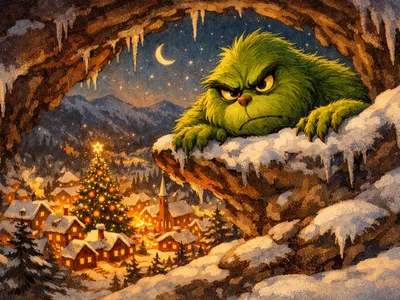
The Grinch: Origin, History, and Cultural Legacy
Mrs. Claus: History, Name, Origin and Role
Why Do We Give Gifts at Christmas?
Christmas Elves: Origins, History and Traditions
Poinsettia History, Meaning, and Care