
Christmas in United Kingdom
The United Kingdom gave the modern world most of what it considers a proper Christmas. Victorian England shaped the Christmas tree, the Christmas card, and the Christmas cracker into cultural fixtures, while centuries of older traditions, from wassailing to the Yule log, still echo through December celebrations. British Christmas runs on a strict timeline of rituals: the pudding stirred on Stir-up Sunday, the turkey carved on December 25, and the leftover sandwiches consumed on Boxing Day. It is a season built equally on pageantry, nostalgia, and a very particular kind of organized indulgence.
Britain did not invent Christmas, but it did more than any other country to shape the holiday the modern world recognizes. The Christmas tree, the Christmas card, the Christmas cracker, the carol service, and the figure of a jolly gift-bringer in a red suit all either originated in Britain or were filtered through British culture before spreading outward. The Victorian era, roughly 1837 to 1901, was the crucible. Before Queen Victoria's reign, Christmas in England was a relatively minor, scattered affair. By the time she died, it looked remarkably like it does today.
How the Victorians Built Modern Christmas
Prince Albert, Victoria's German-born husband, brought a decorated Christmas tree to Windsor Castle in 1841. When the Illustrated London News published a drawing of the royal family gathered around it in 1848, middle-class families across Britain rushed to copy the practice. Within a decade, the Christmas tree went from aristocratic novelty to household standard.
The same decade produced the Christmas card. In 1843, Sir Henry Cole, a civil servant who helped establish the Victoria and Albert Museum, commissioned artist John Callcott Horsley to design a card he could send to friends. One thousand copies were printed and sold at a shilling each. The idea caught on slowly at first, but by the 1860s, advances in color printing and the penny post made card-sending a national habit.
Charles Dickens published A Christmas Carol in December 1843, the same year as Cole's first card. The novella sold out its initial print run of 6,000 copies in five days. More than any other single work, Dickens' story reframed Christmas as a time of generosity, family gathering, and social conscience. The word 'Scrooge' entered the English language almost immediately.
Tom Smith, a London confectioner, invented the Christmas cracker in 1847 after observing French bonbons wrapped in tissue paper. He added the 'snap' mechanism in 1860, and by the end of the century, crackers were as much a part of the British Christmas table as the turkey. His company, Tom Smith and Co., still produced crackers well into the 20th century.
What Happens on Christmas Day in Britain
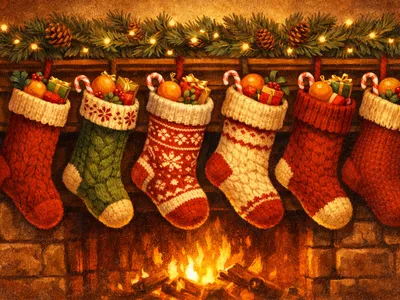
Christmas morning in most British households begins with stockings. Children find a filled stocking at the foot of their bed or hanging from the mantelpiece, left by Father Christmas overnight. The stocking usually contains small gifts, sweets, a tangerine in the toe (a Victorian holdover from when citrus was a luxury), and sometimes a few coins.
Present opening follows. Some families open gifts before lunch, others spread it through the day. The main event is Christmas dinner, typically served in the early afternoon. Roast turkey is the centerpiece for roughly 76% of British households, according to the British Turkey Information Service. The bird arrives flanked by roast potatoes, Brussels sprouts, parsnips, pigs in blankets (small sausages wrapped in bacon), bread sauce, cranberry sauce, and gravy.
At 3 PM, the television goes on for the King's Christmas broadcast. This tradition began in 1932 when King George V delivered a radio message written by Rudyard Kipling. Queen Elizabeth II continued the practice for seven decades, and King Charles III has continued it. The speech is pre-recorded but broadcast simultaneously across the Commonwealth.
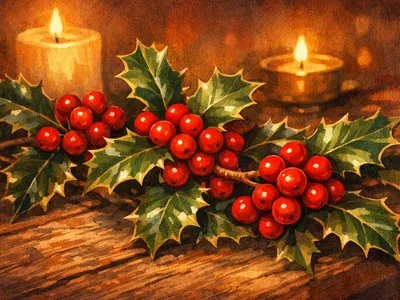
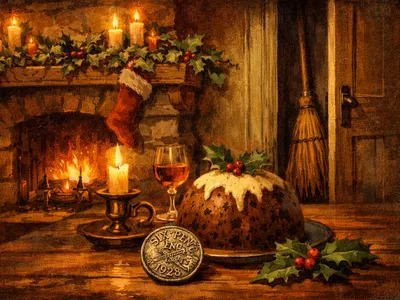
After the broadcast comes Christmas pudding. The pudding is carried to the table with a sprig of holly on top, doused in brandy, and set alight. A coin hidden inside brings luck to whoever finds it in their serving. The rest of the afternoon unfolds into board games, television specials, and the slow consumption of chocolate from selection boxes.
British Christmas Food and Drink
The turkey became Britain's dominant Christmas meat in the 16th century after the bird arrived from the New World. Before that, goose, beef, and even peacock appeared on the table. Henry VIII is often cited as the first English monarch to eat turkey at Christmas, around 1526.
Mince pies are consumed in staggering quantities. The UK goes through roughly 800 million of them each Christmas season. The filling was originally a mix of meat, suet, and dried fruits. By the 19th century, the meat disappeared from most recipes, leaving the spiced fruit and suet mixture known today. Supermarkets begin stocking them as early as September.
Mulled wine and hot toddies warm the month of December. The mulled wine tradition descends from the Roman practice of heating wine with spices. British versions typically use red wine with cinnamon sticks, cloves, star anise, and orange peel. For something stronger, sloe gin, made from berries picked from blackthorn bushes in autumn, peaks in popularity around Christmas.
The Christmas cake, a dense fruitcake covered in marzipan and royal icing, is traditionally baked weeks ahead and 'fed' with brandy at regular intervals. It sits alongside trifle, yule log, and mince pies on the dessert table. No British Christmas is complete without a tin of Quality Street or Roses chocolates slowly emptied over the holiday week.
Boxing Day: What Comes After
Boxing Day, December 26, is a public holiday and a day of activity rather than rest. The name most likely derives from the practice of employers giving their servants a 'Christmas box' of money or gifts on the day after Christmas. Servants, who worked on Christmas Day itself to serve their employers, got December 26 off to celebrate with their own families.
Modern Boxing Day has three pillars: sport, shopping, and walking. The Premier League schedules a full round of football fixtures, and horse racing takes place at Kempton Park, Wetherby, and other courses. The Boxing Day sales launch across high streets and online, with some shoppers queuing outside stores before dawn. In the countryside, families wrap up and walk off the previous day's excess.
How Christmas Differs Across England, Scotland, and Wales
England dominates the popular image of British Christmas, but Scotland and Wales bring their own traditions. Scotland historically downplayed Christmas entirely. The Scottish Kirk (Presbyterian Church) suppressed Christmas celebrations from the late 16th century, viewing them as too Catholic. Christmas Day was not a public holiday in Scotland until 1958, and Boxing Day not until 1974. Hogmanay, the Scottish New Year celebration, has traditionally been the bigger event.
In recent decades, Scotland has embraced Christmas more fully. Edinburgh's Christmas market, set in Princes Street Gardens below the castle, draws visitors from across Europe. But Hogmanay still holds cultural priority. The Edinburgh Hogmanay street party regularly attracts 75,000 revelers.
Wales has its own carol tradition that runs deeper than England's. The Plygain service, an early-morning candlelit carol service, dates to the 16th century and still takes place in some Welsh churches, particularly in Montgomeryshire. Singers perform unaccompanied three-part harmonies. The Mari Lwyd, a wassailing tradition involving a decorated horse skull carried door to door, survives in parts of South Wales. Groups carry the skull and challenge householders to a battle of rhyming verses in Welsh before being admitted for food and drink.
Northern Ireland shares many traditions with both Britain and the Republic of Ireland. Extended family gatherings and midnight Mass attendance run high. Belfast City Hall hosts seasonal events, and the Belfast Christmas Market at St George's Market has grown into one of the UK's most popular festive destinations.
Frequently Asked Questions
What do British people eat on Christmas Day?
The traditional British Christmas dinner centers on roast turkey, served with roast potatoes, Brussels sprouts, parsnips, pigs in blankets (sausages wrapped in bacon), bread sauce, cranberry sauce, and gravy. Christmas pudding follows for dessert, typically set alight with brandy at the table. Mince pies and Christmas cake are eaten throughout the season.
Why is December 26 called Boxing Day in the UK?
The most widely accepted origin is the practice of employers giving their servants a 'Christmas box' of gifts or money on December 26. Servants who worked on Christmas Day serving their employers received the following day off to visit their own families. The name has been in use since at least the 1830s.
When do British people put up and take down Christmas decorations?
Most British households put up their Christmas tree and decorations in late November or early December, often on the first weekend of December. Decorations are traditionally taken down on Twelfth Night, January 5. Superstition holds that leaving them up past this date brings bad luck for the coming year.
What is the King's Christmas broadcast?
The King's Christmas broadcast is a speech delivered by the reigning monarch at 3 PM on December 25, televised and broadcast on radio across the Commonwealth. The tradition began in 1932 when King George V delivered a radio address scripted by Rudyard Kipling. The speech reflects on the past year and offers a message of unity.
What is a Christmas cracker?
A Christmas cracker is a decorated cardboard tube that two people pull apart, producing a snapping sound. Inside is a paper crown, a small novelty gift, and a printed joke. Invented by London confectioner Tom Smith in 1847, crackers are placed at each table setting during British Christmas dinner and pulled before the meal begins.
Traditions & Customs
Christmas Crackers
Invented by London confectioner Tom Smith in 1847, Christmas crackers are pulled at the dinner table to reveal paper crowns, small toys, and groan-worthy jokes. Every person at a British Christmas table wears their paper crown, regardless of age or dignity. Around 300 million crackers are pulled in the UK each year.
Christmas Pudding
The dense, booze-soaked fruit pudding is traditionally prepared five weeks before Christmas on Stir-up Sunday. Each family member stirs the mixture and makes a wish. On Christmas Day, the pudding is doused in brandy and set alight before serving.
Pantomime
Pantomime, or 'panto,' is a uniquely British theatrical tradition running throughout December and January. These slapstick stage shows feature cross-dressing performers, audience call-and-response, and fairy tale plots twisted for comedy. Major theatres and local playhouses across the country stage their own productions, drawing around 30 million audience members each year.
Boxing Day
December 26 is a public holiday throughout the UK, originally linked to the practice of giving servants and tradespeople boxed gifts the day after Christmas. Today it centers on football matches, horse racing at Kempton Park, long walks, and the start of the winter sales.
The King's Christmas Broadcast
The reigning monarch has delivered a Christmas Day broadcast since King George V first spoke on BBC radio in 1932. The address airs at 3 PM on December 25 and is watched by millions across the Commonwealth. Families traditionally pause after lunch to tune in.
Mince Pies
These small pastry cases filled with spiced dried fruit and suet have been part of English Christmas celebrations since the 13th century. Originally they contained actual minced meat. The UK consumes roughly 800 million mince pies every Christmas season, making them the most popular seasonal baked good in the country.
Christmas Cards
The first commercial Christmas card was commissioned in London in 1843 by Sir Henry Cole, designed by John Callcott Horsley. Sending Christmas cards became a widespread British custom by the 1860s after penny postage made mass mailing affordable. The Royal Mail still handles hundreds of millions of cards each December.
Father Christmas
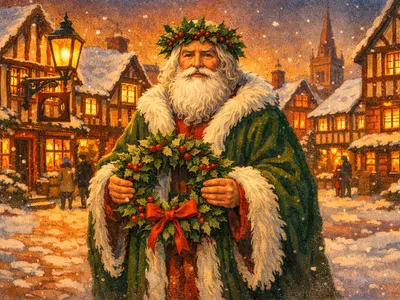
The British version of the gift-bringer predates the American Santa Claus. Father Christmas was originally a personification of the festive season itself, appearing in 15th-century mummers' plays. His modern image merged with the Dutch-American Santa in the late 19th century, but British children still leave a mince pie and glass of sherry (not milk and cookies) for him on Christmas Eve.
Christmas Markets
Bath Christmas Market
Set among the Georgian architecture near Bath Abbey and the Roman Baths, this market features over 170 wooden chalets selling handcrafted gifts, local food, and artisan products. It is one of the largest and most acclaimed Christmas markets in England, attracting around 400,000 visitors each year.
Edinburgh Christmas Market
Spread across Princes Street Gardens beneath Edinburgh Castle, this market combines continental-style stalls with fairground rides, an ice rink, and a large Christmas tree. The dramatic backdrop of the castle and the Old Town skyline makes it one of the most visually striking Christmas markets in Europe.
Birmingham Frankfurt Christmas Market
The largest authentic German Christmas market outside Germany and Austria, the Frankfurt market in Birmingham stretches along New Street and Victoria Square. It has run since 2001 as a partnership with Birmingham's twin city of Frankfurt and draws over five million visitors across the season.
Key Dates
Advent
The four Sundays before Christmas mark the beginning of the Advent season. Children across the UK count down with Advent calendars, a tradition adopted from Germany in the early 20th century. Churches hold Advent services and light candles on the Advent wreath each Sunday.
Christmas Eve
Families attend midnight church services, hang stockings, and leave out a mince pie and glass of sherry for Father Christmas. Many families watch a Christmas film together and children open one gift on Christmas Eve. Midnight Mass services at cathedrals like York Minster and Canterbury draw large congregations.
Christmas Day
The main celebration day in the UK. Families open presents in the morning, sit down to a roast turkey dinner in the early afternoon, and watch the King's Christmas broadcast at 3 PM. The day typically ends with Christmas pudding, board games, and leftover chocolates.
Boxing Day
A public holiday across the United Kingdom. The name derives from the tradition of giving Christmas boxes to servants and tradespeople. Modern Boxing Day revolves around Premier League football, horse racing, countryside walks, and the start of the winter sales at shops across the country.
Twelfth Night
The traditional date for taking down Christmas decorations in the UK. Superstition holds that leaving decorations up past Twelfth Night brings bad luck. This date marks the end of the Twelve Days of Christmas and the eve of Epiphany on January 6.
Stir-up Sunday
The last Sunday before Advent, when families traditionally prepare their Christmas pudding. The name comes from the Book of Common Prayer collect for that day, which begins 'Stir up, we beseech thee, O Lord.' Each family member takes a turn stirring the mixture from east to west and makes a wish.
Christmas Carols
God Rest Ye Merry, Gentlemen
God Rest Ye Merry, GentlemenOne of the oldest English Christmas carols, dating back to at least the 15th century. It appears in print as early as 1760 and was already a London street carol by the time Charles Dickens referenced it in A Christmas Carol in 1843.
Hark! The Herald Angels Sing
Hark! The Herald Angels SingWritten by Charles Wesley in 1739, with the melody adapted from a cantata by Felix Mendelssohn in 1840. The hymn's pairing with Mendelssohn's music was arranged by English musician William Hayman Cummings, creating one of the most recognized Christmas hymns worldwide.
Good King Wenceslas
Good King WenceslasPublished in 1853 by John Mason Neale, set to a 13th-century Finnish melody. The lyrics tell the story of the Bohemian Duke Wenceslaus I braving harsh winter weather to give alms to a poor peasant. Despite its Czech subject, it became a staple of English carol-singing traditions.
We Wish You a Merry Christmas
We Wish You a Merry ChristmasA traditional English carol from the West Country, believed to date from the 16th century. The song's demand for figgy pudding reflects the old wassailing custom, where carol singers expected food and drink in exchange for their performances at wealthy households.
The Holly and the Ivy
The Holly and the IvyA traditional English carol first published by Cecil Sharp in 1911, though its origins likely stretch back several centuries. It draws on pre-Christian symbolism of evergreen plants and their association with the winter solstice, blending these with Christian imagery.
Traditional Recipes
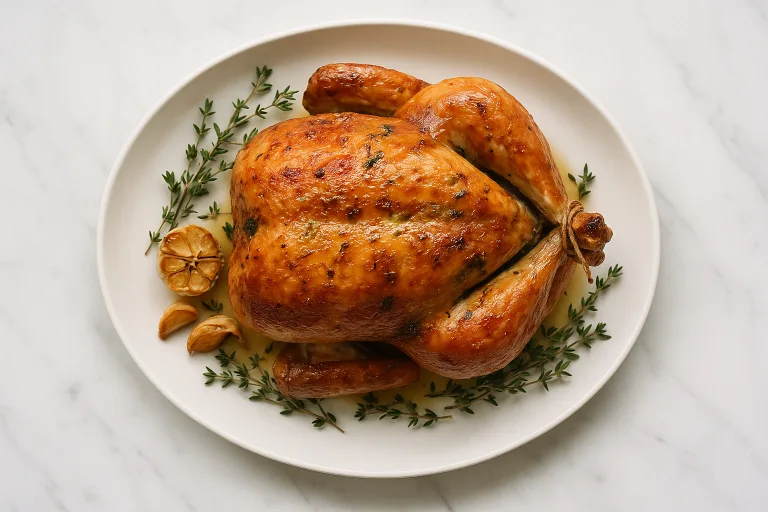
Christmas Roast Chicken with Herb Stuffing
90 min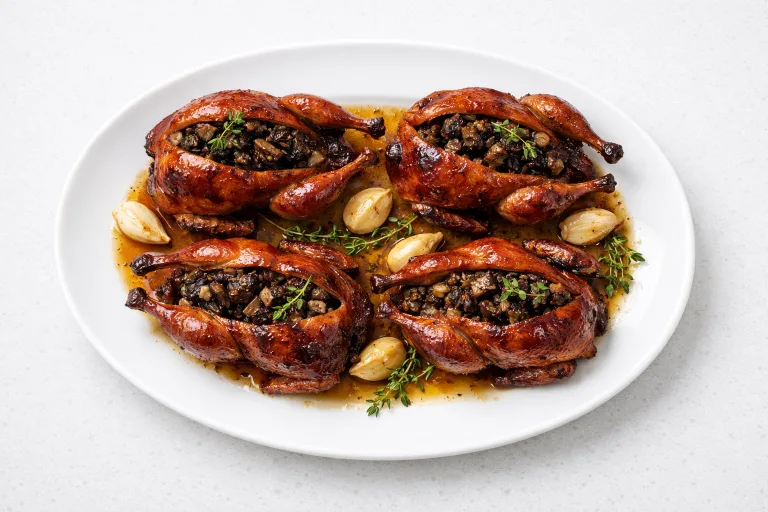
Roast Quail for Christmas with Herb Butter and Wild Mushroom Stuffing
22 min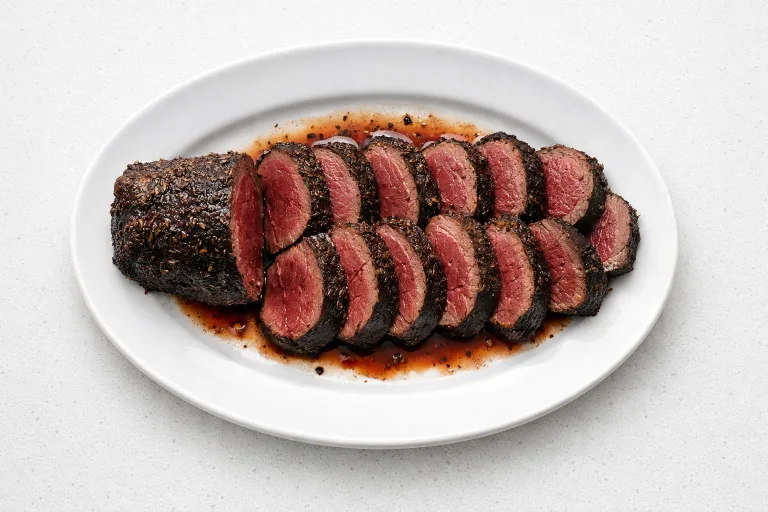
Christmas Venison Roast
35 min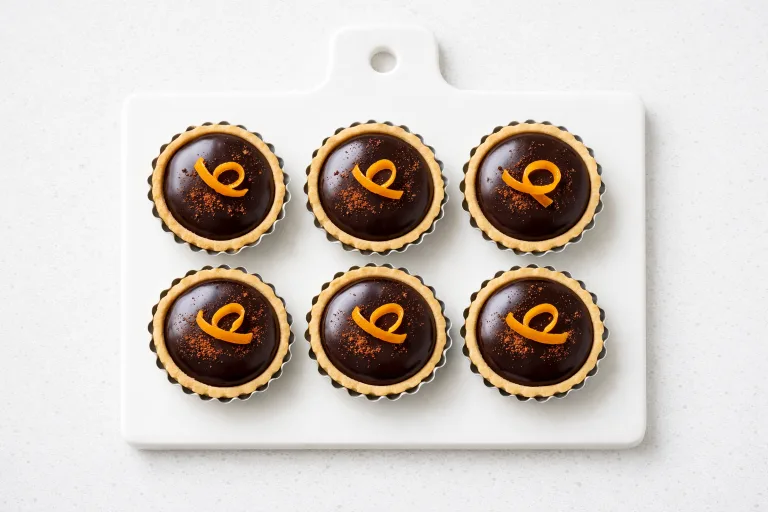
Chocolate Orange Tarts
25 min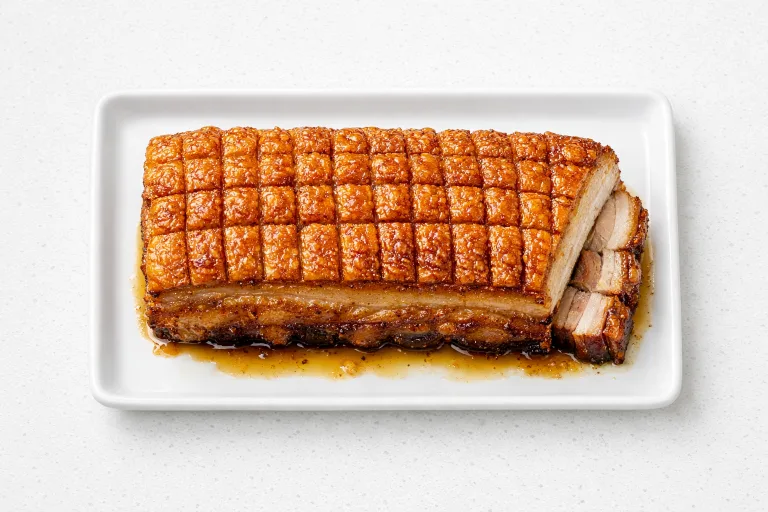
Christmas Pork Belly with Crispy Crackling
195 min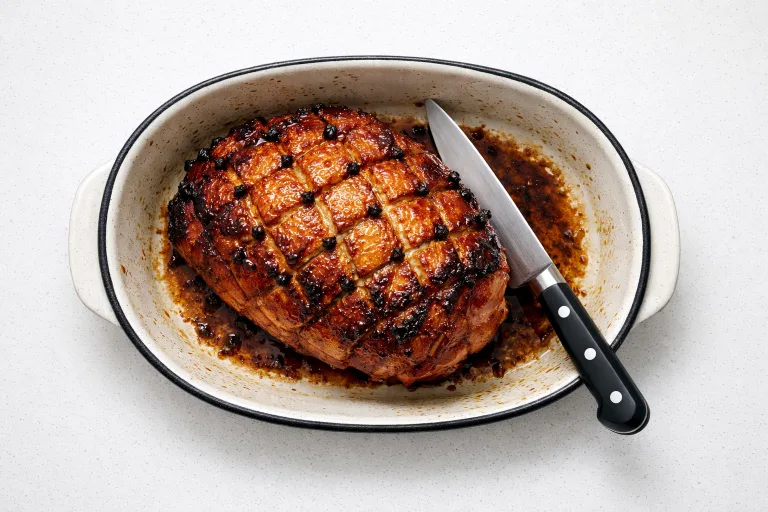
Air Fryer Gammon for Christmas
75 min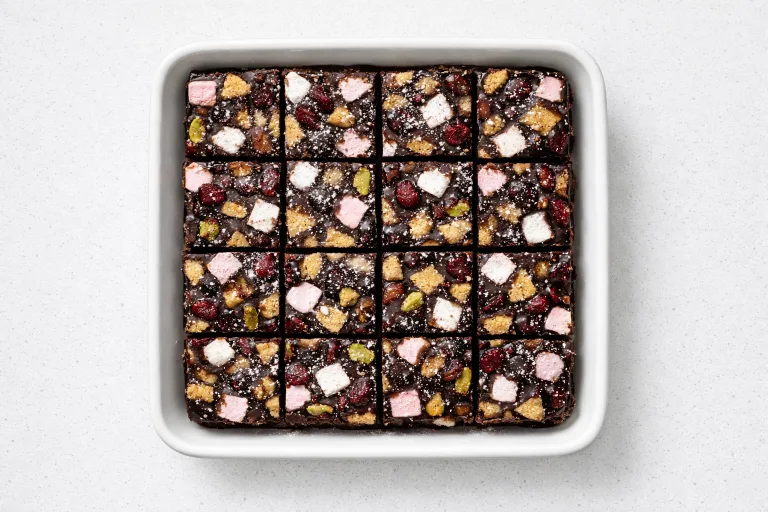
Christmas Rocky Road
15 min prep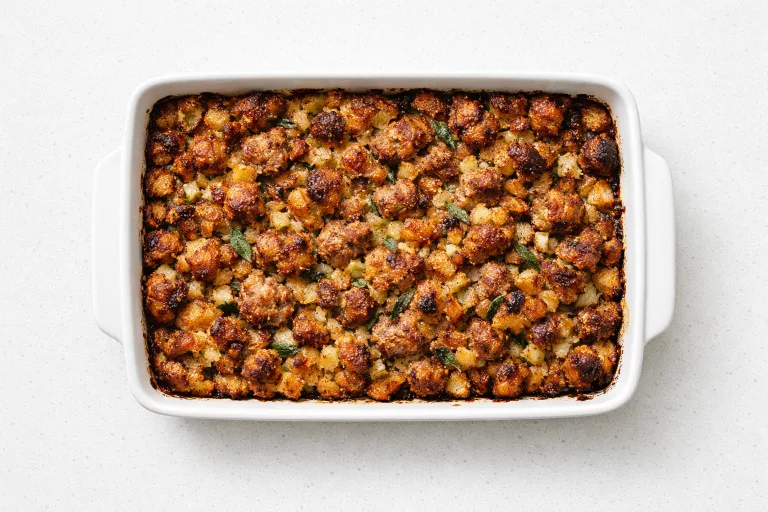
British Christmas Sausage Stuffing with Sage and Onion
45 min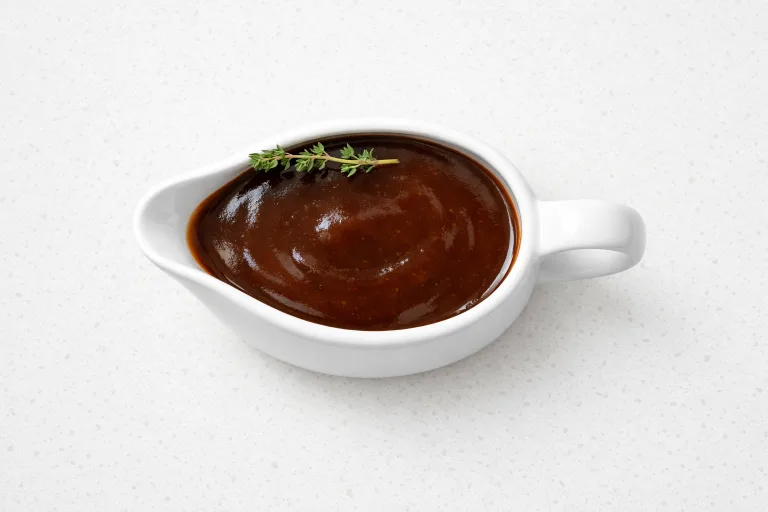
Christmas Gravy with Madeira
90 min
Classic Snowball Drink Recipe (Advocaat and Lemonade)
5 min prep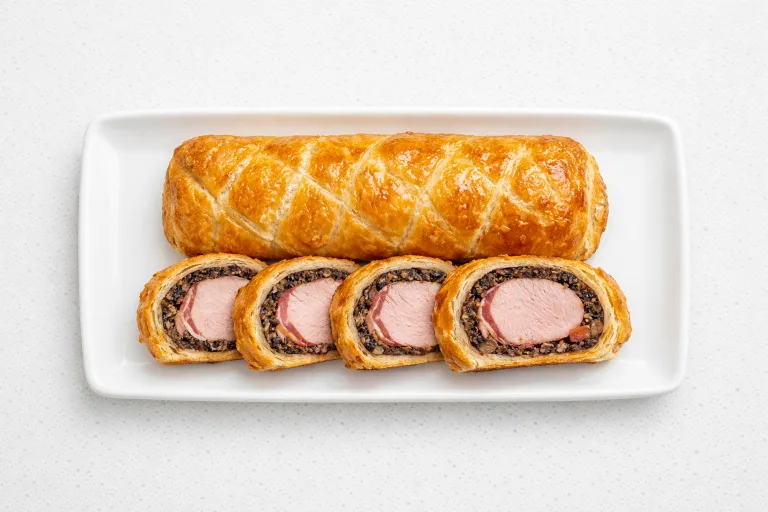
Pork Wellington with Mushroom Duxelles
30 min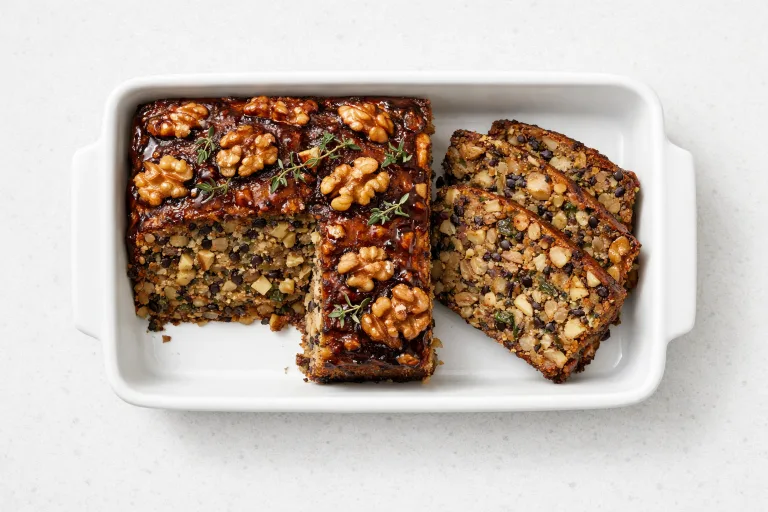
Classic Christmas Nut Roast
55 min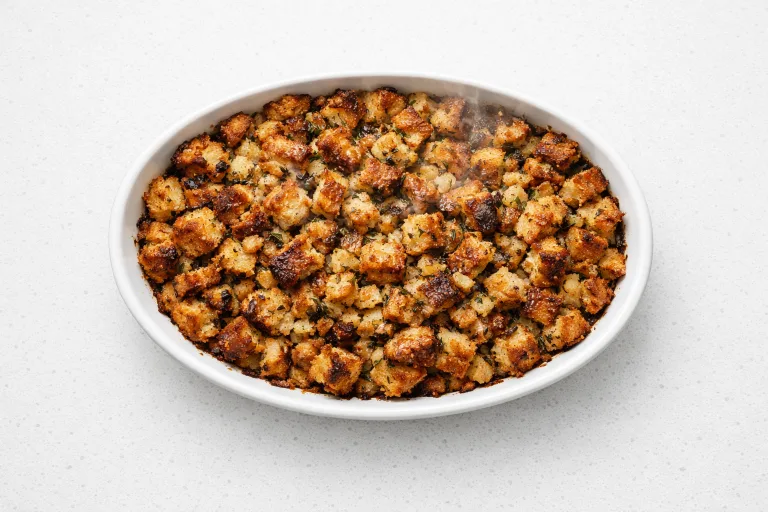
Classic Christmas Stuffing with Sage and Onion
45 min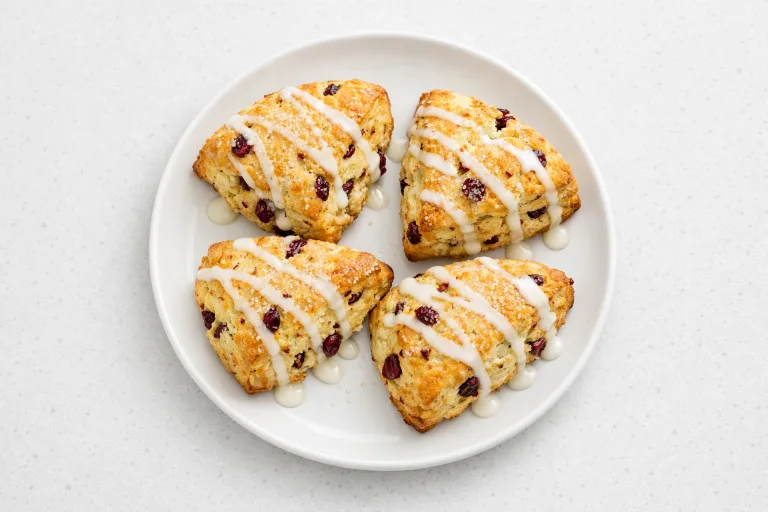
Cranberry Orange Scones
18 min
Classic Yorkshire Puddings for Christmas Dinner
25 min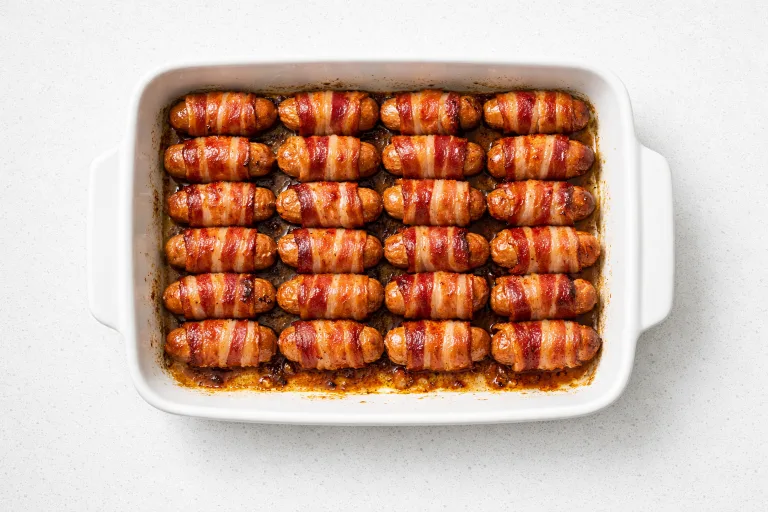
Classic British Pigs in Blankets
25 min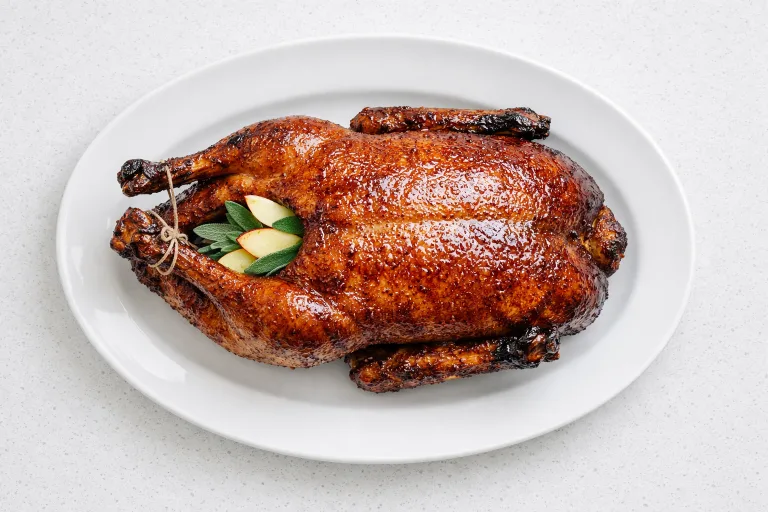
Christmas Roast Goose with Apple and Sage Stuffing
210 min
Smoked Salmon Blini with Creme Fraiche and Dill
15 min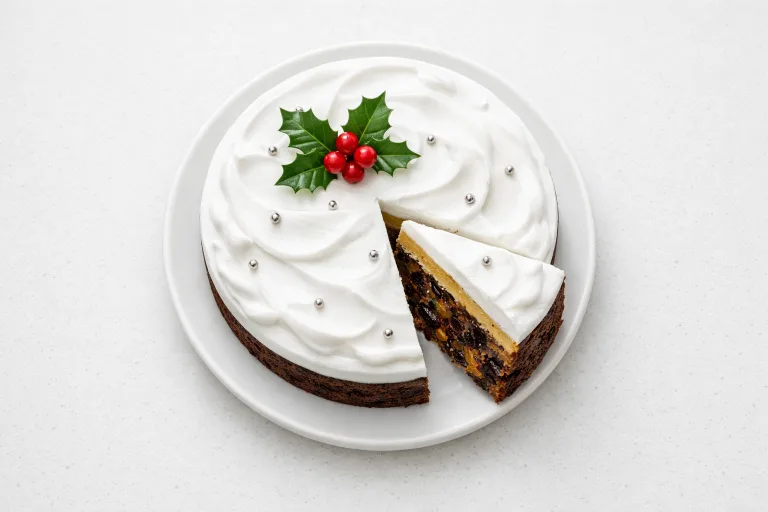
Traditional British Christmas Cake with Marzipan and Royal Icing
180 min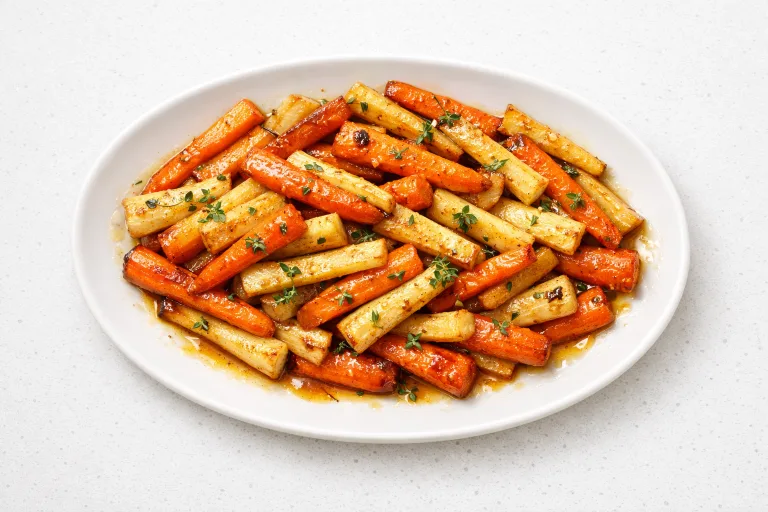
Honey Glazed Carrots and Parsnips
35 minRelated Articles
Father Christmas: History, Origin and Meaning
Holly at Christmas: History, Symbolism and Meaning
Christmas Stockings: History, Origins and Tradition
Christmas Superstitions and Festive Folklore Beliefs
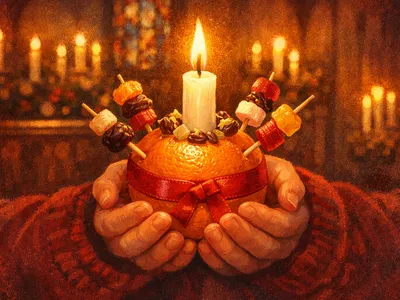
Christingle: Meaning, History and the Orange Tradition
Noel Meaning, Origin, and Why We Say It at Christmas
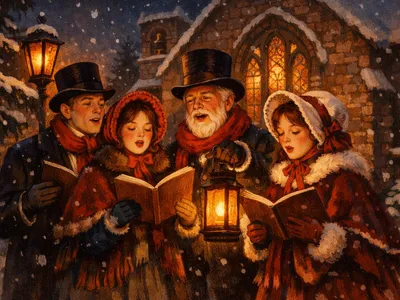
Christmas Carols: A History of Caroling Traditions
Mrs. Claus: History, Name, Origin and Role
Why Do We Give Gifts at Christmas?